
Did you ever hear about a hacker wiping out a $15,000 Bitcoin stash with one stolen password? That's the worst‑case scenario that every crypto holder wants to avoid. When talking about Crypto Security, the set of practices, tools, and habits that keep your digital assets safe from theft, loss, or accidental exposure. Also known as digital asset protection, it mixes technology with everyday vigilance. In the fast‑moving Web3 world, a single weak link can cost you big, so understanding the core pieces of crypto security matters now more than ever.
Multisig Wallet, a wallet that requires two or more independent signatures before any transaction can leave. Also called multi‑signature wallet, it forces a team effort, making insider threats and single‑point failures much harder to exploit. To set it up, you define a threshold—say 2‑of‑3—and distribute each key to different devices or trusted people. If one key is compromised, the attacker still can’t move funds without the other approvals. Private Key, the secret code that proves ownership of a blockchain address should never sit on an always‑online device. Best practice is to keep it offline, a method known as Cold Storage, storing keys on hardware that never connects to the internet unless you need to sign a transaction. Popular cold‑storage tools include hardware wallets like Ledger or Trezor, which themselves are Hardware Wallet, physical devices that safeguard private keys behind a secure element and PIN protection. By combining multisig with cold‑storage hardware, you create a layered defense—each layer covers a different attack vector, from phishing to malware.
Putting those pieces together, you get a security system that demands multiple approvals, hides the most sensitive secrets offline, and locks them behind tamper‑proof hardware. That mix is what most professional traders and institutional custodians rely on to keep billions safe. In the list below you’ll find a step‑by‑step guide on how to boost your crypto safety with multisig wallets, plus tips on choosing the right hardware and managing private keys without the headache. Ready to tighten your defenses? Keep reading and arm yourself with the tools that turn a risky hobby into a secure investment.
Posted by Minoru SUDA with 3 comment(s)
Feb
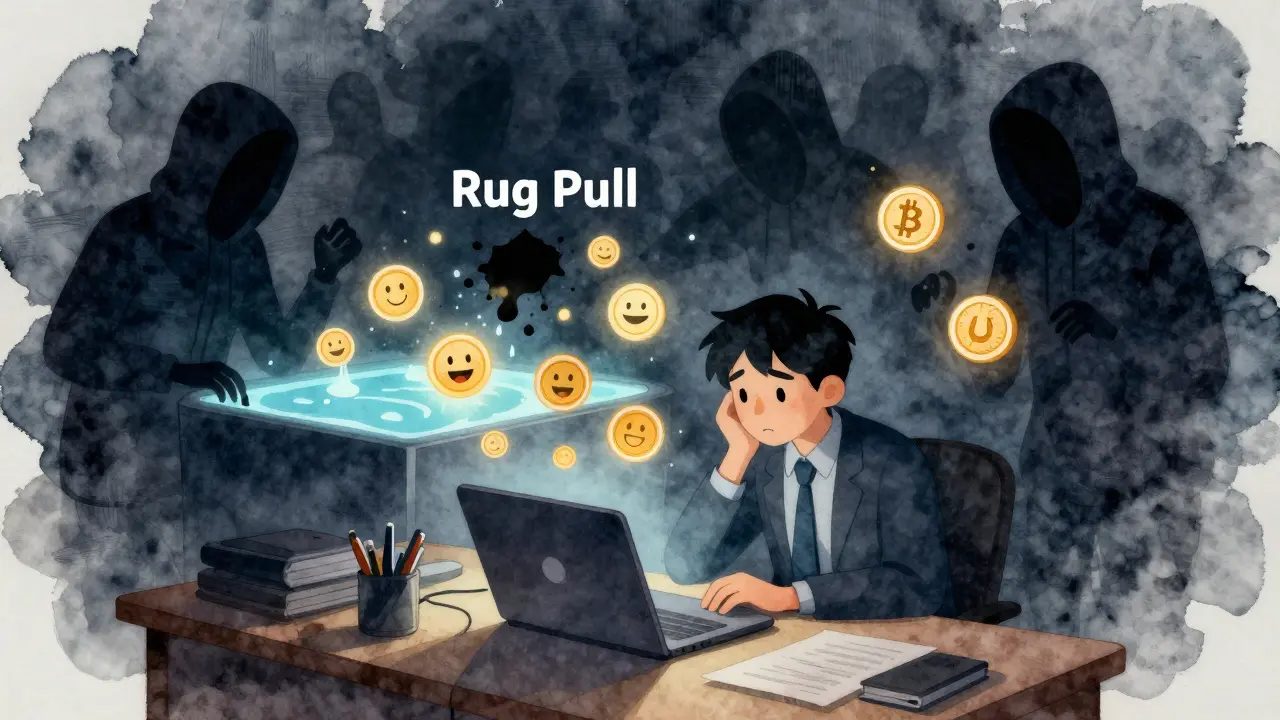
Learn how to spot and avoid rug pulls in crypto by checking team backgrounds, audits, liquidity locks, and tokenomics. Most scams are preventable with basic due diligence.
view morePosted by Minoru SUDA with 16 comment(s)
Feb

Token and NFT rug pulls both steal money from crypto investors-but they work in completely different ways. Learn how each scam operates, how to spot them early, and why recovery is nearly impossible.
view morePosted by Minoru SUDA with 17 comment(s)
Jan

No D11 airdrop exists. DeFi11 was acquired by VulcanForged, and the token has a 0 circulating supply. Any claims of a CoinMarketCap Community airdrop are scams. Learn how to spot fake crypto airdrops and protect your wallet.
view morePosted by Minoru SUDA with 14 comment(s)
Jan
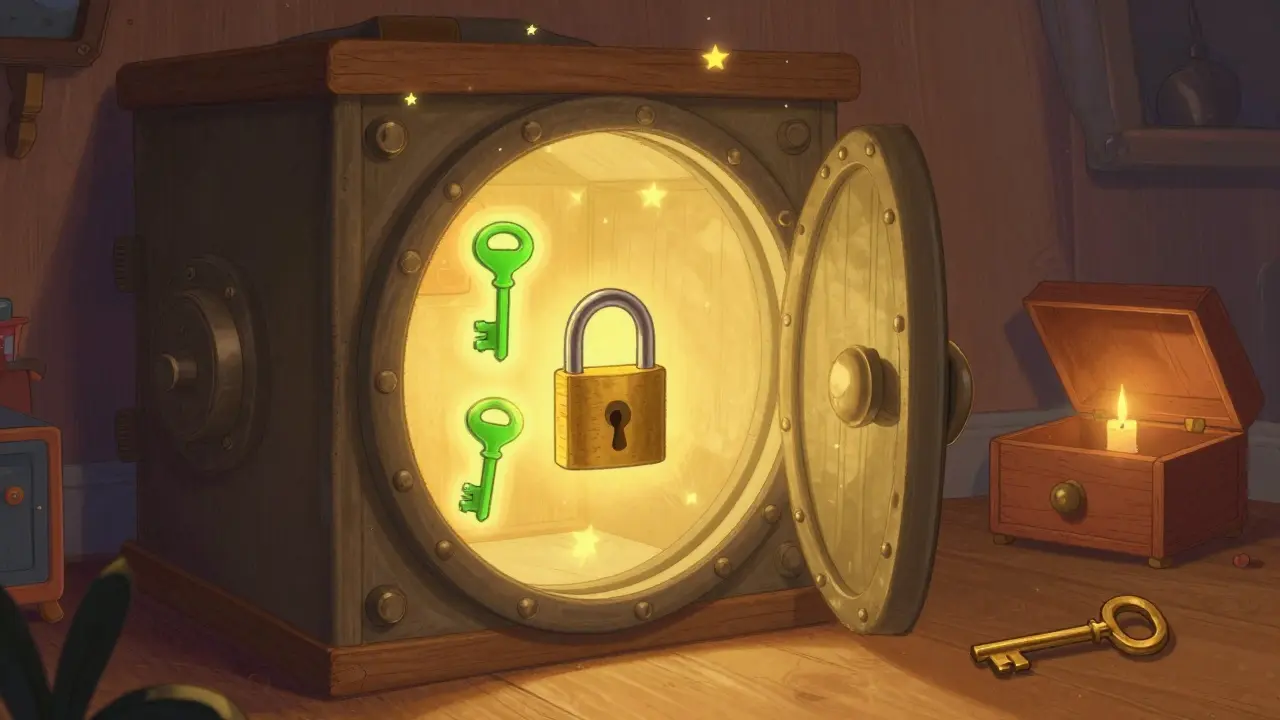
Multisig wallets require multiple signatures to spend crypto, making them far safer than single-key wallets for large holdings. Learn the top platforms like Safe Wallet and Blue Wallet Vault, how they work, and when to use them.
view morePosted by Minoru SUDA with 24 comment(s)
Dec
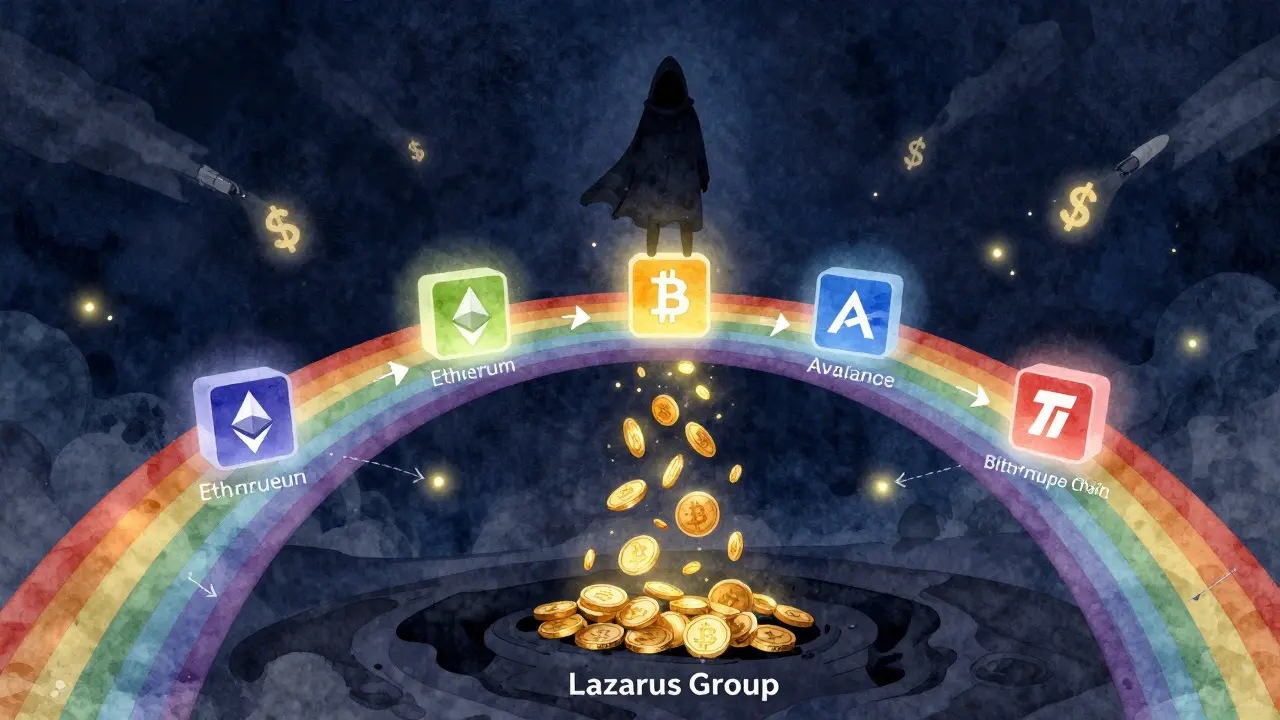
DPRK hackers now use cross-chain crypto laundering to steal billions and fund nuclear weapons. Learn how they move funds across blockchains, evade detection, and why individual users are at risk.
view morePosted by Minoru SUDA with 15 comment(s)
Nov
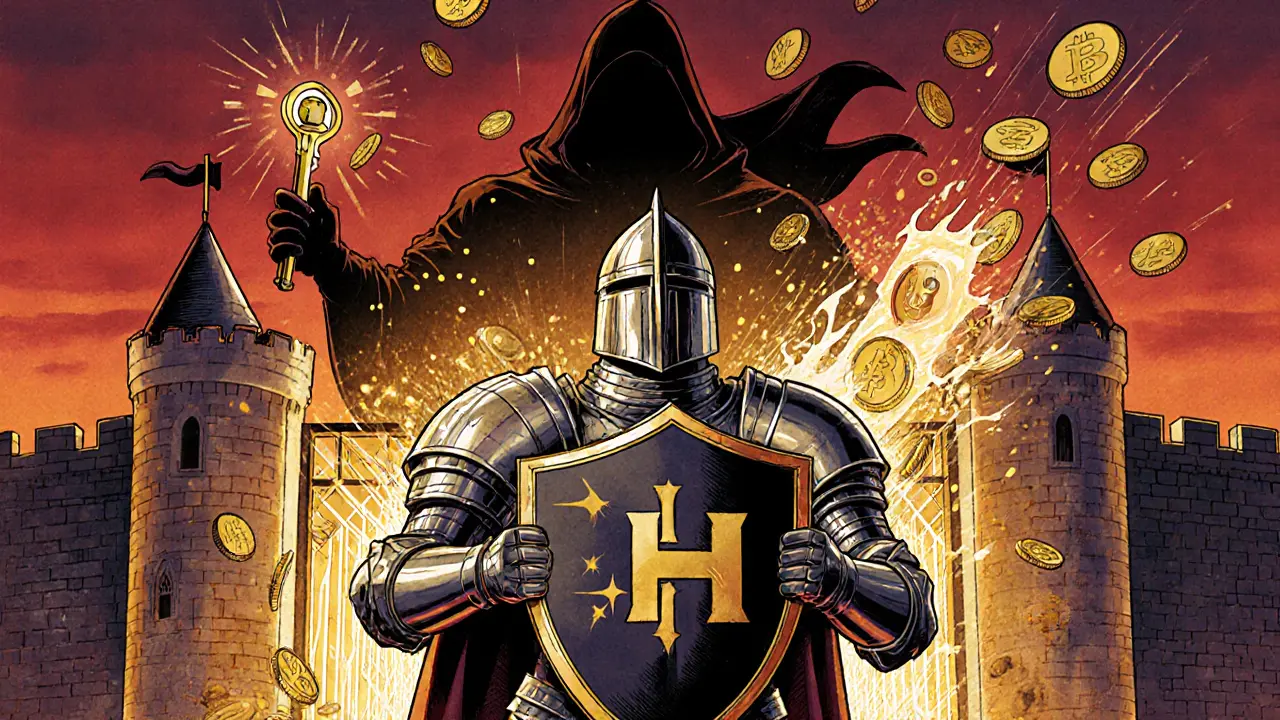
HAI token was hacked in 2025, causing a 99% price crash. There was no airdrop - any claims of free HAI are scams. Learn what really happened and how to avoid similar crypto traps.
view morePosted by Minoru SUDA with 23 comment(s)
Aug

Learn how multisig wallets boost crypto security by requiring multiple signatures, protecting against theft, loss, and insider threats. Get setup steps, configuration tips, and real‑world use cases.
view more