
When working with Crypto Regulation, the set of laws, rules, and guidelines that govern digital assets and blockchain activities. Also known as digital asset regulation, it shapes how businesses, investors, and developers operate in the crypto space. Crypto Regulation influences market stability, investor protection, and innovation pace, making it a must‑know area for anyone dealing with tokens or blockchain services.
One of the hottest sub‑topics under this umbrella is Stablecoin, a cryptocurrency designed to maintain a stable value by pegging to a fiat currency or other asset. Stablecoins fall into two buckets: payment‑grade coins that aim to be used for everyday transactions and investment‑grade coins that serve as a store of value. The U.S. federal framework introduced by the GENIUS Act, the Global Emerging Network for Innovation in Stablecoins Act, establishing a comprehensive oversight regime for payment stablecoins directly targets the payment‑stablecoin segment. This act requires issuers to obtain a charter, maintain reserve transparency, and submit to periodic audits. In practice, the act creates a clear link: Crypto Regulation encompasses stablecoin rules, and stablecoin regulation requires compliance with the GENIUS Act.
The enforcement side is largely driven by the U.S. Securities and Exchange Commission (SEC), the federal agency responsible for protecting investors and maintaining fair markets. While the SEC focuses on securities‑type tokens, it collaborates with the Treasury and the Financial Crime Enforcement Network to monitor stablecoin issuers for money‑laundering risks. Together, these bodies shape the compliance landscape, influencing everything from reserve management to consumer disclosure. The timeline set by the GENIUS Act aims for full implementation by 2026, giving market participants a clear roadmap. Below, you’ll find a curated list of articles that break down each piece of the puzzle—how the act works, what the SEC looks for, and what the rollout means for both startups and established players. Dive in to see practical advice, real‑world examples, and actionable steps to stay ahead of the evolving regulatory scene.
Posted by Minoru SUDA with 11 comment(s)
Aug

Learn how Russian banks flag crypto-to-fiat withdrawals in 2026, including the new 50,000 ruble limits, 12 red flags to avoid, and strategies to keep your funds accessible.
view morePosted by Minoru SUDA with 0 comment(s)
Aug

Navigate Nigeria's new crypto laws. Learn how the ISA 2025 and SEC licenses change the game for traders, and how to stay compliant with taxes and banking rules in 2026.
view morePosted by Minoru SUDA with 0 comment(s)
Jul

The Philippines SEC has blacklisted 15 major crypto exchanges including OKX and Bybit under new 2025 CASP rules. Learn why access is blocked via ISPs, the 100M peso capital requirement, and how traders can comply.
view morePosted by Minoru SUDA with 0 comment(s)
Jul

A comprehensive guide to AML compliance for crypto businesses in 2026. Learn about VASP regulations, KYC requirements, global frameworks like MiCA and the GENIUS Act, and practical steps to build a compliant program.
view morePosted by Minoru SUDA with 0 comment(s)
Jul

Explore the risks and opportunities of trading crypto in India's unregulated grey zone. Understand the 30% VDA tax, RBI's stance, and the proposed COINS Act 2025.
view morePosted by Minoru SUDA with 0 comment(s)
Jul

Explore how Iran leverages state-backed Bitcoin mining to bypass sanctions, generating billions via subsidized energy and IRGC-controlled infrastructure.
view morePosted by Minoru SUDA with 16 comment(s)
Jul

Explore the complex world of underground crypto trading in North Macedonia. Learn about P2P platforms, regulatory gray areas, and how to trade safely amidst evolving laws.
view morePosted by Minoru SUDA with 0 comment(s)
Jul

Explore Japan's strict FSA crypto oversight, covering the Payment Services Act, new securities laws, and compliance rules for 2026.
view morePosted by Minoru SUDA with 0 comment(s)
Jun
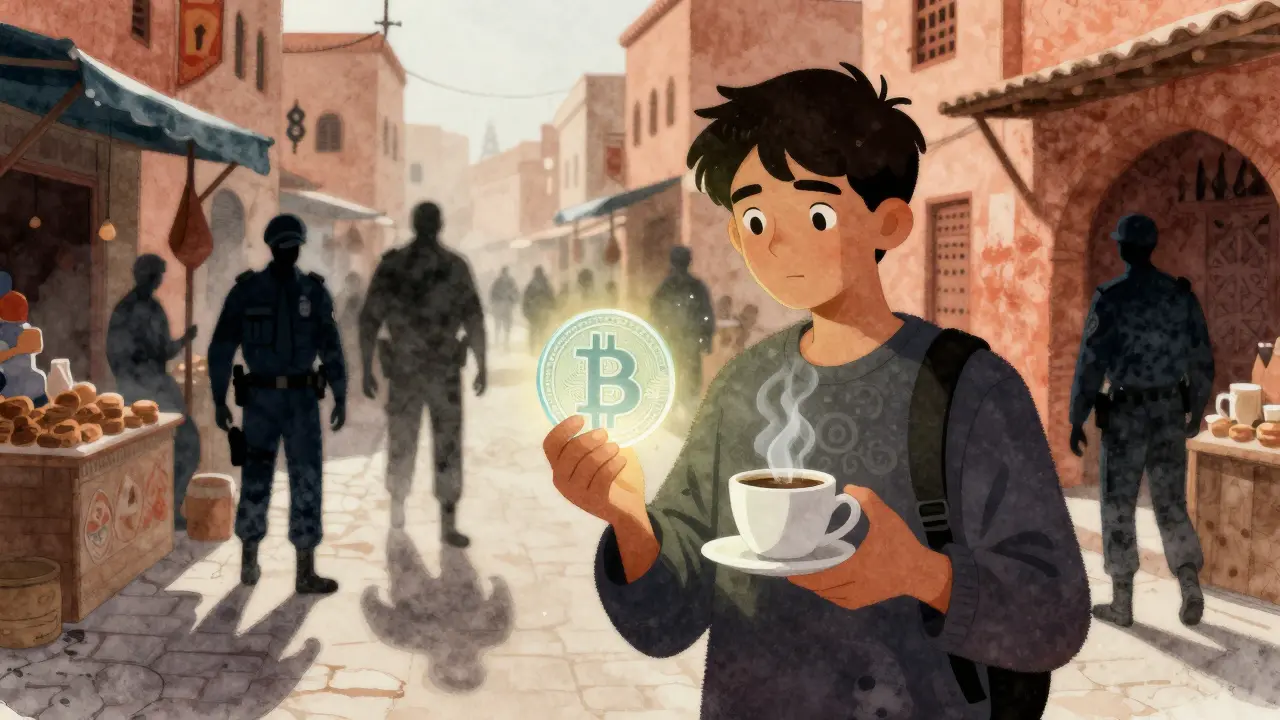
Explore how Algeria's crypto ban evolved from the vague 2018 Financial Law to the strict criminal penalties of Law No. 25-10 in 2025. Learn about the risks, reasons, and global context.
view morePosted by Minoru SUDA with 0 comment(s)
Jun

Kosovo banned crypto mining in Jan 2022 due to an energy crisis. Learn about the enforcement, confiscations, and current 2026 status where grid-based mining remains illegal.
view morePosted by Minoru SUDA with 0 comment(s)
Jun

Discover who the National Competent Authorities are under the EU's MiCA regulation. Learn which regulators issue crypto licenses in Germany, France, and beyond, and how the system might centralize under ESMA.
view morePosted by Minoru SUDA with 0 comment(s)
Jun

Explore Thailand's strict 2025 crypto regulations enforced by the SEC. Learn why global exchanges like Bybit were banned, licensing costs, and what traders can actually buy on local platforms.
view more