
When you search for crypto airdrop, a free token distribution meant to grow a project’s user base. Also known as free crypto giveaway, it often turns into a trap when the project has no team, no code, and no real reason to exist. In November 2025, this site dug into dozens of supposed airdrops—and found most were lies. HAI claimed a reward after a hack? No. BonusCake pays you CAKE just for holding? Technically yes, but it’s a risky loop. SupremeX’s SXC token? Real airdrop, but only on Bitget. The truth isn’t in the hype—it’s in the chain.
Behind every fake airdrop is a crypto exchange scam, a platform that looks legit but blocks withdrawals, hides its location, or invents fake traffic. Also known as fake crypto platform, it thrives on urgency and promises of easy money. BitxEX, Qmall, Wavelength, and RDAX.io all showed up in this month’s reports. None had real regulation. None had user reviews that checked out. And none let you withdraw your funds without a fight. These aren’t glitches—they’re business models. Meanwhile, legitimate exchanges like Coinmate and Bit2C kept things simple: low fees, clear rules, and no magic tokens.
Then there’s the meme coin, a cryptocurrency with no utility, no roadmap, and a price that moves on Twitter jokes. Also known as shitcoin, it’s not investing—it’s gambling with a blockchain label. Lobster, BALLTZE, Lets Go Brandon, and REAL all had one thing in common: zero trading volume after the first week. Their entire value was built on a dog meme, a political phrase, or a dead game. And yet, people still chased them. Why? Because they saw a chart going up. They didn’t look at the on-chain data. That’s where the real story lives. on-chain analysis, the practice of reading blockchain activity to see what whales, miners, and exchanges are actually doing. Also known as blockchain data tracking, it doesn’t lie. MVRV ratios, exchange outflows, and miner holdings told us Bitcoin was consolidating. They also showed us when meme coins were being dumped by the team. You don’t need a fancy tool to see it—just the right questions.
This month’s archive isn’t about hype. It’s about cleanup. We looked at failed stablecoins like e-Money, mining bans in New Brunswick, and crypto laws in Mexico—all signs that the wild west is turning into a regulated, but still dangerous, landscape. You’ll find posts that tear apart scams, explain tools like Glassnode and Nansen, and reveal why some tokens were dead before they even launched. No fluff. No promises. Just what happened, who was behind it, and how you can avoid the same mistakes.
Posted by Minoru SUDA with 15 comment(s)
Nov
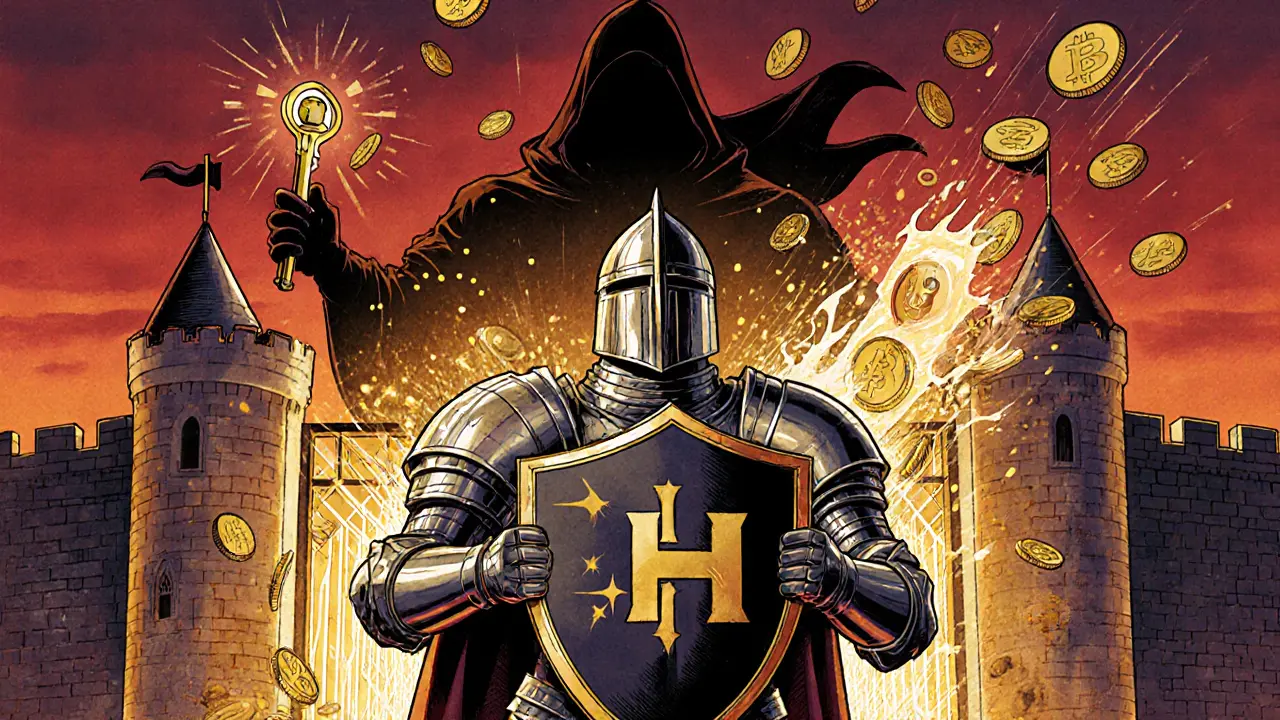
HAI token was hacked in 2025, causing a 99% price crash. There was no airdrop - any claims of free HAI are scams. Learn what really happened and how to avoid similar crypto traps.
view morePosted by Minoru SUDA with 21 comment(s)
Nov

Boundless Network (BUN) is a niche crypto token tied to the Burrito Wallet ecosystem. With low liquidity, minimal adoption, and extreme price swings, it's not a serious investment - just a speculative experiment.
view morePosted by Minoru SUDA with 24 comment(s)
Nov

Gaming NFTs are now the largest segment of the NFT market, driving $12.9 billion in revenue in 2025. Learn how play-to-earn, virtual land, and AI-powered assets are reshaping gaming-and why mainstream adoption is finally taking off.
view morePosted by Minoru SUDA with 18 comment(s)
Nov
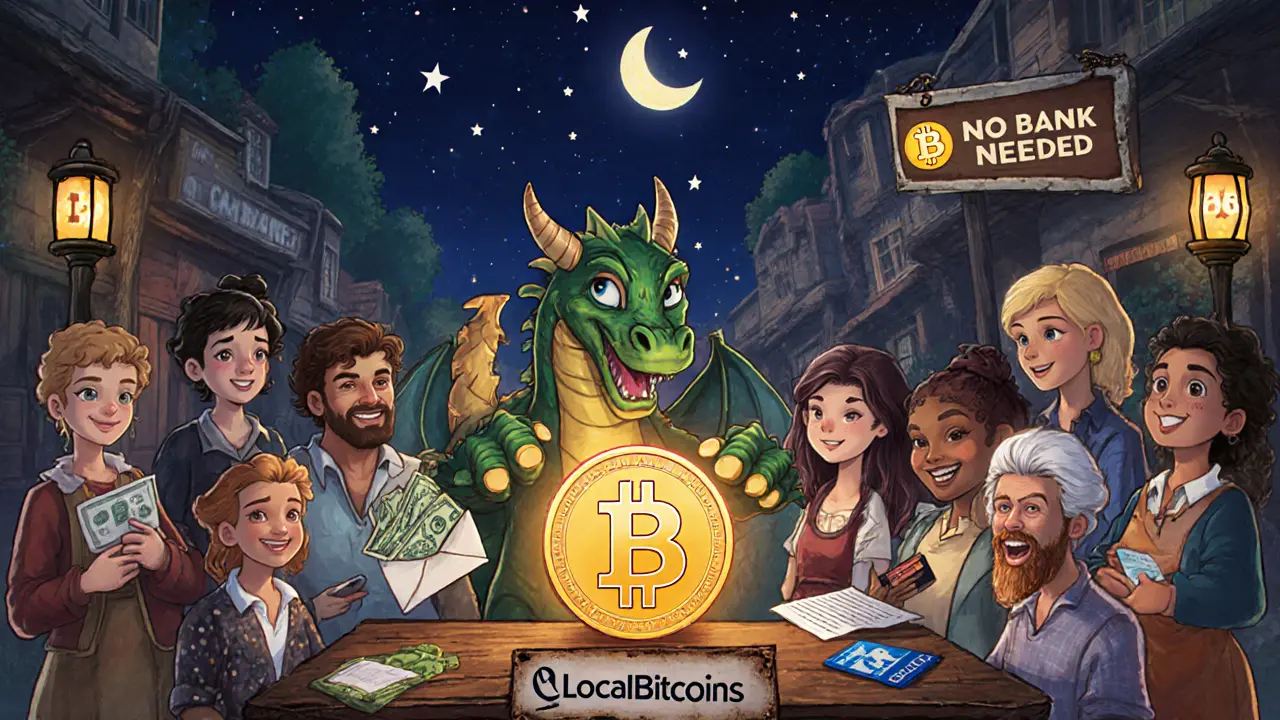
LocalBitcoins was the largest peer-to-peer Bitcoin exchange until it shut down in 2023 due to EU regulations. This review covers how it worked, why it failed, and what platforms replaced it.
view morePosted by Minoru SUDA with 25 comment(s)
Nov
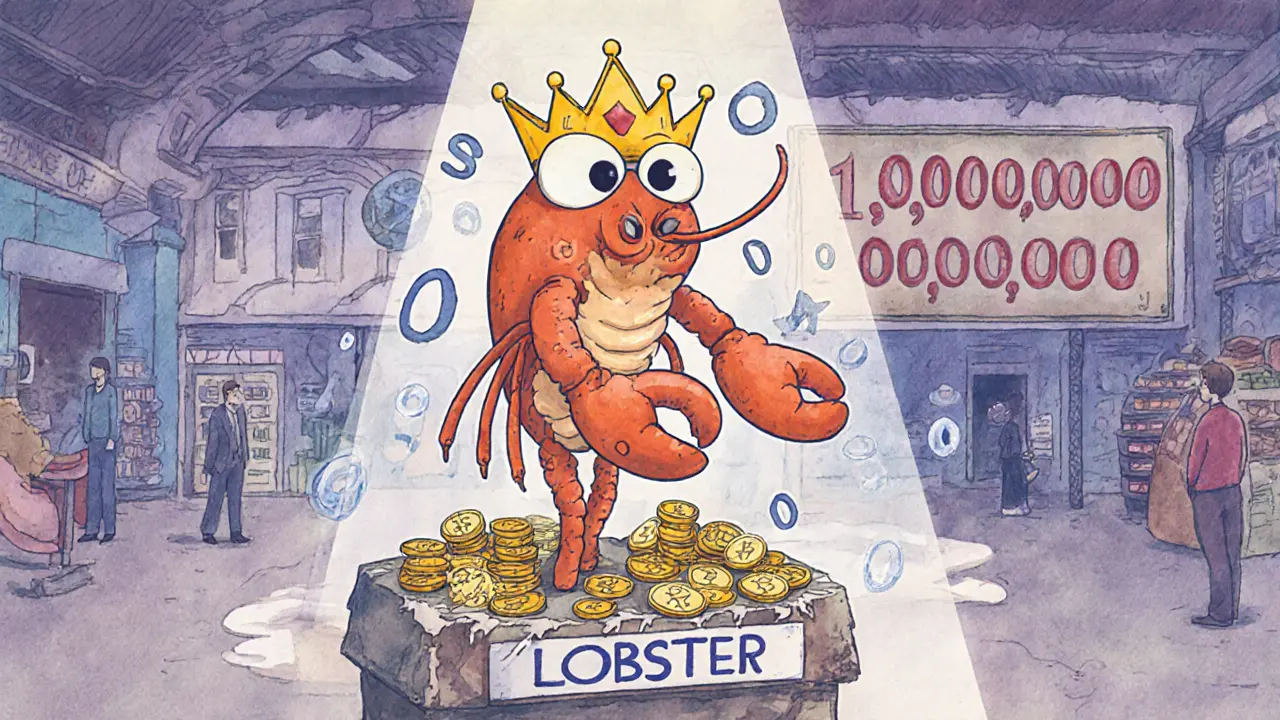
Lobster (LOBSTER) is a low-value meme coin with a quadrillion-token supply, zero liquidity, and no team. It's not a real investment-it's a dead project with a fake price. Don't waste your money.
view morePosted by Minoru SUDA with 22 comment(s)
Nov

e-Money (NGM) was a crypto project that offered interest-bearing stablecoins backed by euros and other European currencies. It shut down in 2024 after regulatory pressure killed its core model. Here's what happened.
view morePosted by Minoru SUDA with 19 comment(s)
Nov
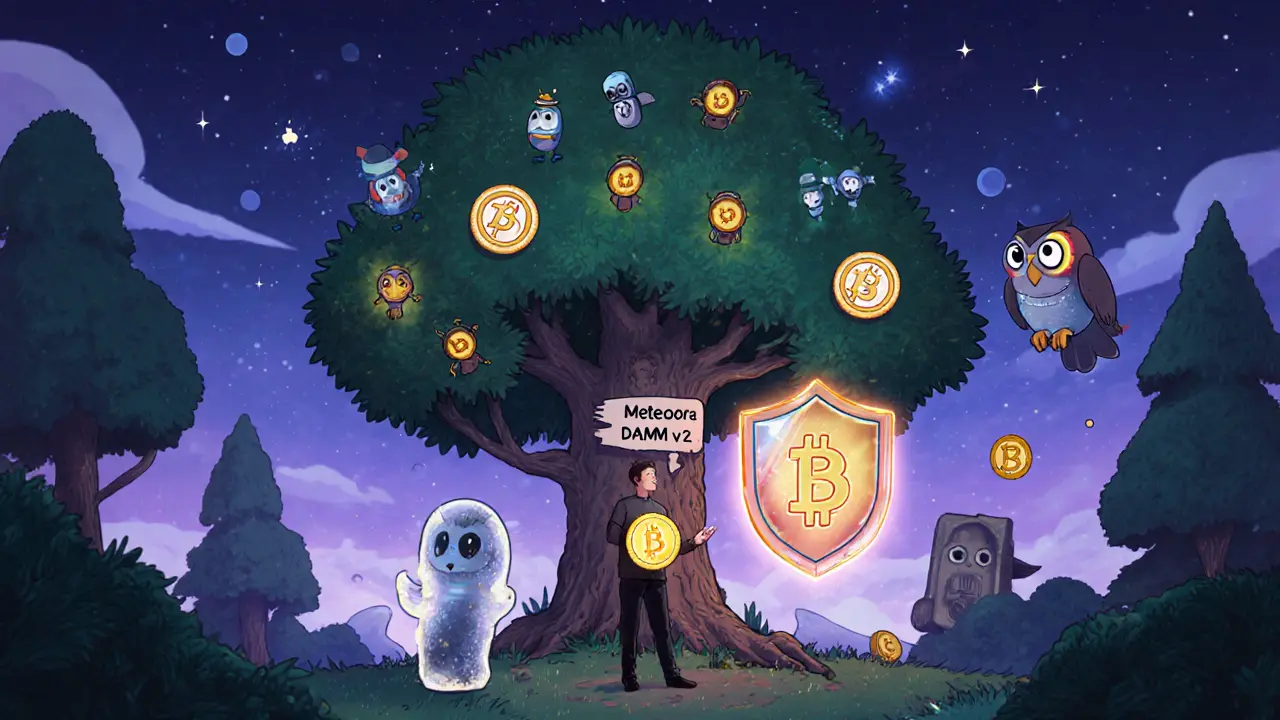
Meteora DAMM is a Solana-based DEX built for token creators and liquidity providers. With anti-sniper tech, dynamic fees, and low costs, it's the best choice for launching memecoins-though not ideal for casual traders.
view morePosted by Minoru SUDA with 17 comment(s)
Nov
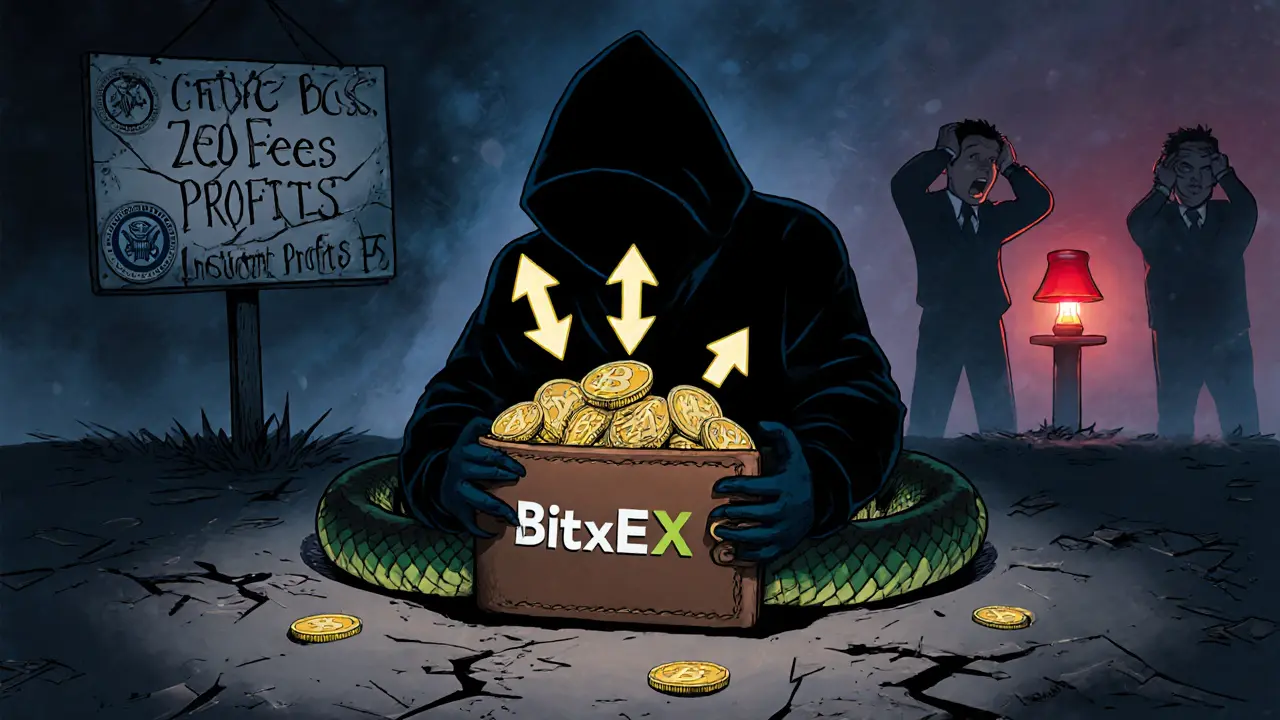
BitxEX is a high-risk crypto exchange with no regulation, fake traffic, and widespread withdrawal issues. Learn why experts warn against using it and what safer alternatives exist in 2025.
view morePosted by Minoru SUDA with 21 comment(s)
Nov
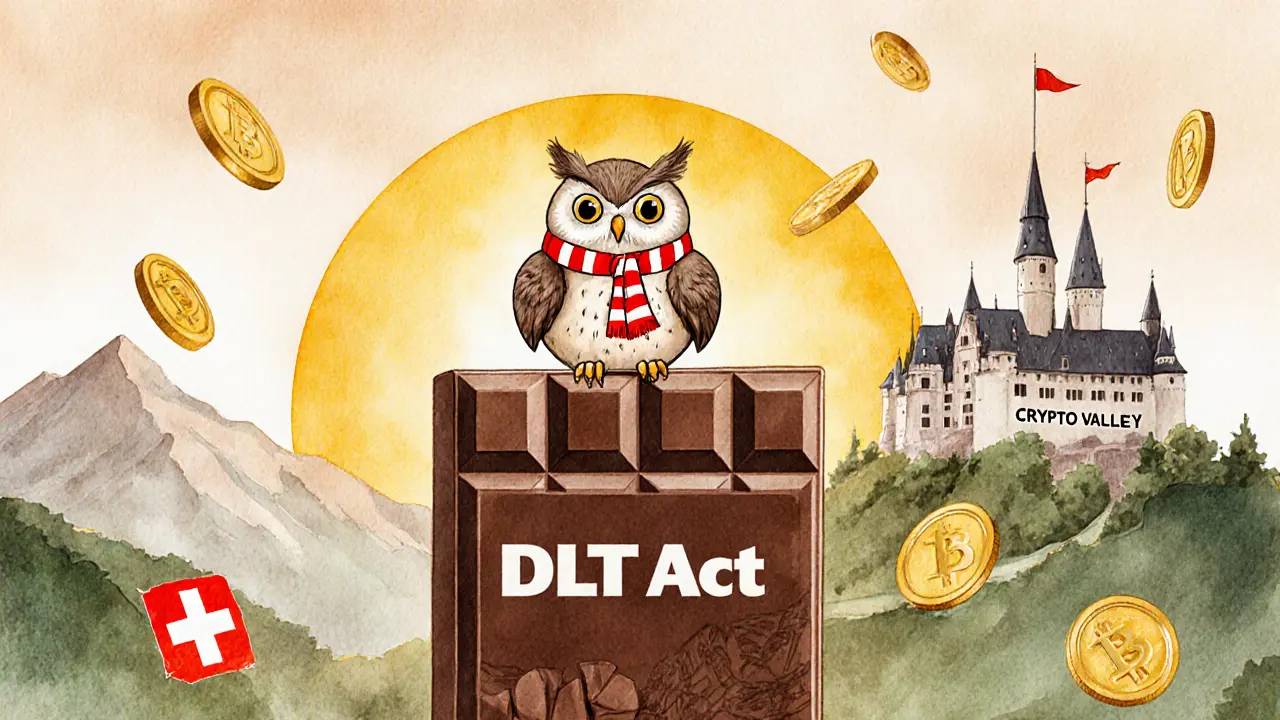
Discover the best countries for crypto trading in 2025 where zero taxes, legal clarity, and strong infrastructure make trading safer and more profitable. Switzerland, UAE, Singapore, and Portugal lead the pack.
view morePosted by Minoru SUDA with 24 comment(s)
Nov

BALLTZE is a Solana-based meme coin created as a tribute to the real-life dog behind the Cheems meme. Launched in August 2025, it crashed 98% within weeks and now has zero trading volume - making it a digital memorial, not an investment.
view morePosted by Minoru SUDA with 16 comment(s)
Nov
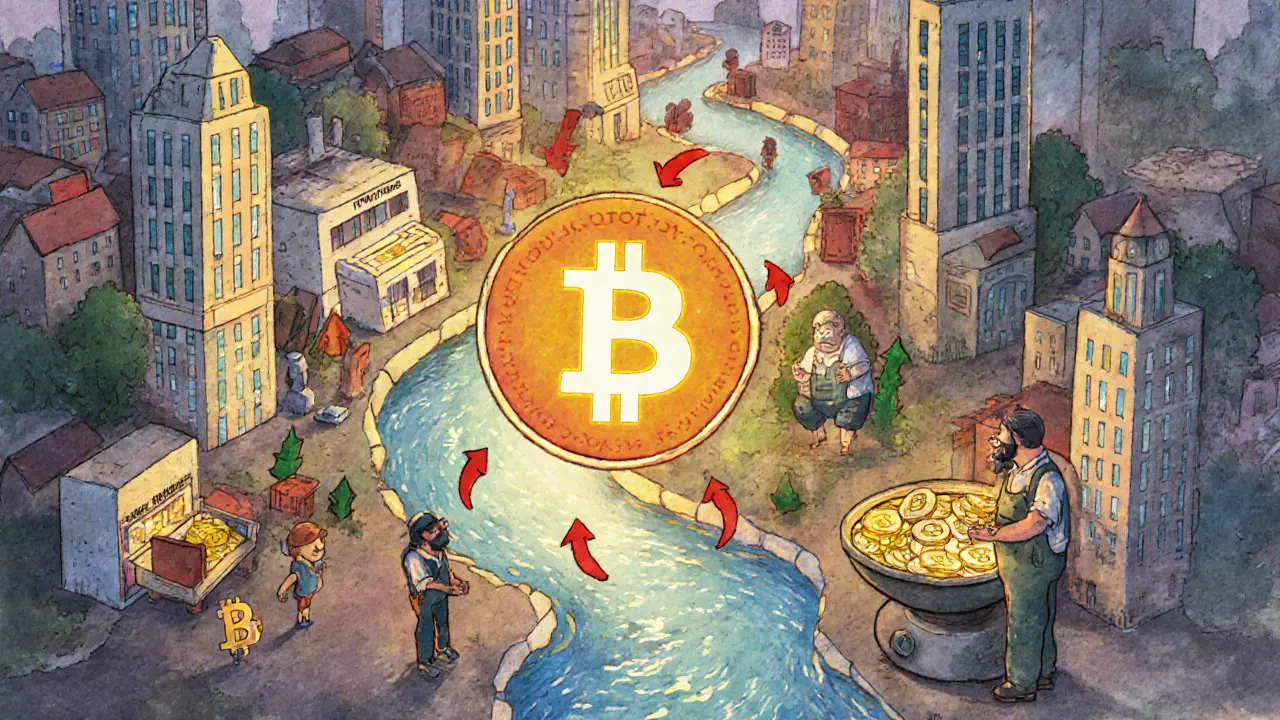
Bitcoin on-chain metrics reveal what traders are actually doing on the blockchain-beyond price charts. Learn how MVRV, SOPR, miner data, and exchange flows predict market moves with real historical examples.
view morePosted by Minoru SUDA with 0 comment(s)
Nov
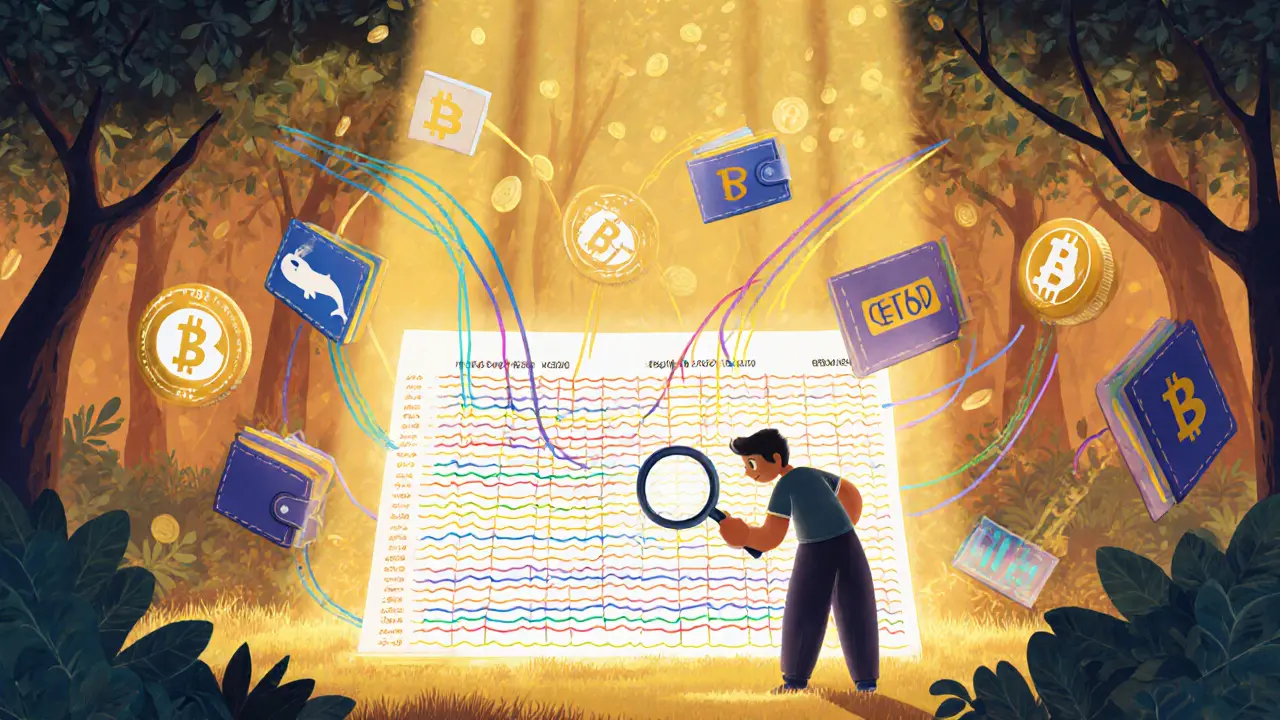
Learn how to mine on-chain data to track real crypto activity, spot whale movements, and avoid fake signals. Practical guide for investors using Glassnode, Nansen, and free tools.
view more