

The Rise of Decentralized Social Media
Imagine owning the value you create online. In traditional social networks, your likes, shares, and posts drive revenue for big tech companies, yet you receive little to nothing in return. Mithril was built to challenge this model. It is a decentralized social media platform that rewards users with cryptocurrency for their digital contributions.
This isn't just another token launch; it is an attempt to rewire how we think about content creation. While many projects fade into obscurity, Mithril attempts to bridge the gap between daily social interactions and financial incentives using blockchain technology.
How Social Mining Works
To truly understand the value proposition here, you need to grasp the concept of Social Mining. This process functions similarly to how miners secure a blockchain like Bitcoin, except humans do the work through engagement.
- Content Creation: When you publish photos, articles, or videos, you generate data.
- User Engagement: When other users like or comment, they verify that content's value.
- Reward Distribution: The platform distributes MITH tokens to everyone involved in that interaction chain.
The core idea is simple: if you bring value to the network, you get paid. Unlike typical cryptocurrencies mined via energy-intensive hardware, MITH mining happens naturally whenever you use the platform to interact with friends or followers.
Tokenomics and Technical Architecture
Every ecosystem needs a native currency to function smoothly. The MITH token acts as the fuel for this machine. Originally, the project launched on the Ethereum blockchain. This meant transactions were recorded on the Ethereum ledger using the ERC-20 standard. This gave early users access to a massive security network and familiar wallet integrations.
However, as the project evolved, scalability became a priority. High fees on Ethereum can eat up small transaction rewards earned from liking a post. To fix this, the team made a strategic move to migrate the project to the Binance Chain.
This shift introduced the BEP2 standard. For the average user, this means faster transactions and lower costs. The total supply of the token is capped at 1 billion MITH. During the initial distribution, the team set aside tokens for development, marketing, and public sale events. Historically, the token has seen significant volatility, which is common for assets in the crypto space.
| Attribute | Detail |
|---|---|
| Token Name | Mithril (MITH) |
| Total Supply | 1,000,000,000 Tokens |
| Original Chain | Ethereum (ERC-20) |
| Current Chain | Binance Chain (BEP2) |
| Utility | Rewards, Payments, Staking |
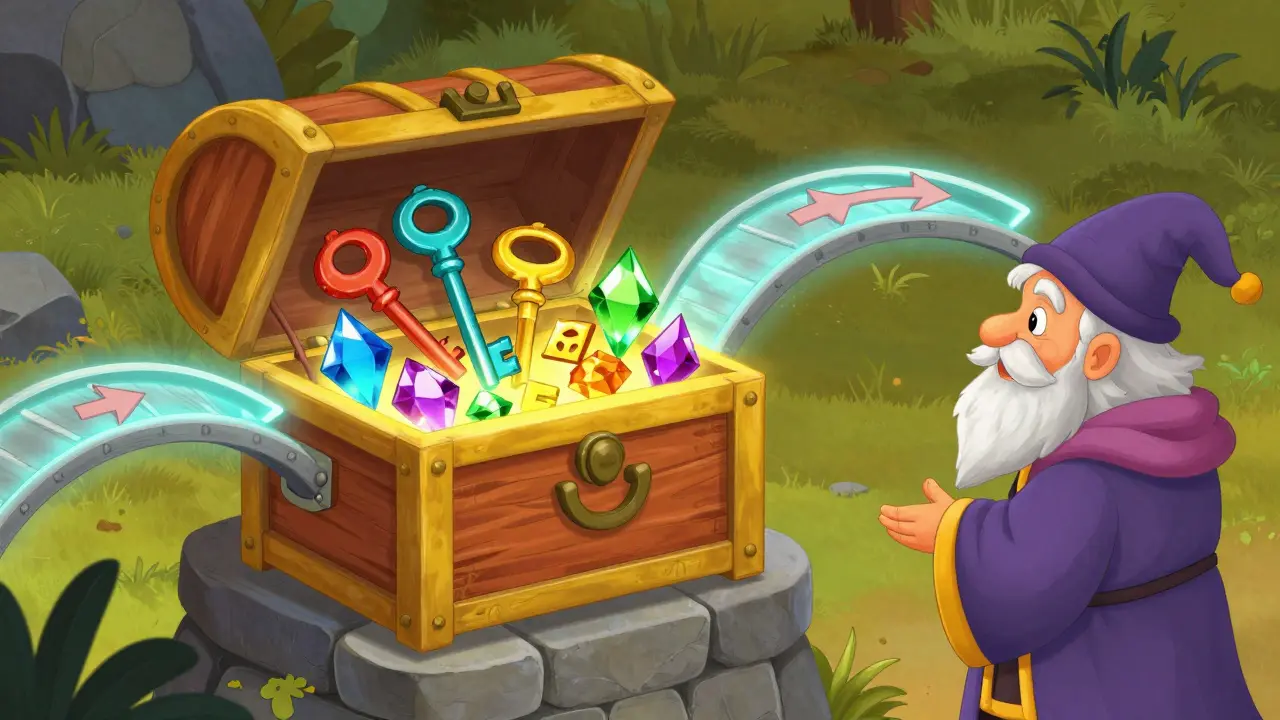
Building an Ecosystem: Lit and Wallet Solutions
A token is useless if you cannot store or spend it. Mithril planned two critical infrastructure pieces to solve this. The first is the Lit App, which serves as the flagship social interface.
This application allows you to connect your existing social graph. You don't necessarily have to abandon Instagram or Facebook immediately. Instead, the protocol aims to integrate with these platforms so you can mine tokens across multiple networks. This "integration protocol" was a distinct feature meant to give Mithril an edge over standalone competitors.
For storage, the project introduced the Mithril Vault. This wallet isn't just for holding assets; it supports staking. By locking your tokens for a period, you contribute to the network's stability and potentially earn more. The Vault also facilitates swapping MITH for other major cryptocurrencies, providing liquidity when you need it.
Real World Utility and Merchant Network
Many crypto projects struggle after the hype dies down. They remain trapped as "investment coins" rather than actual currency. Mithril attempted to avoid this by building a Merchant Network.
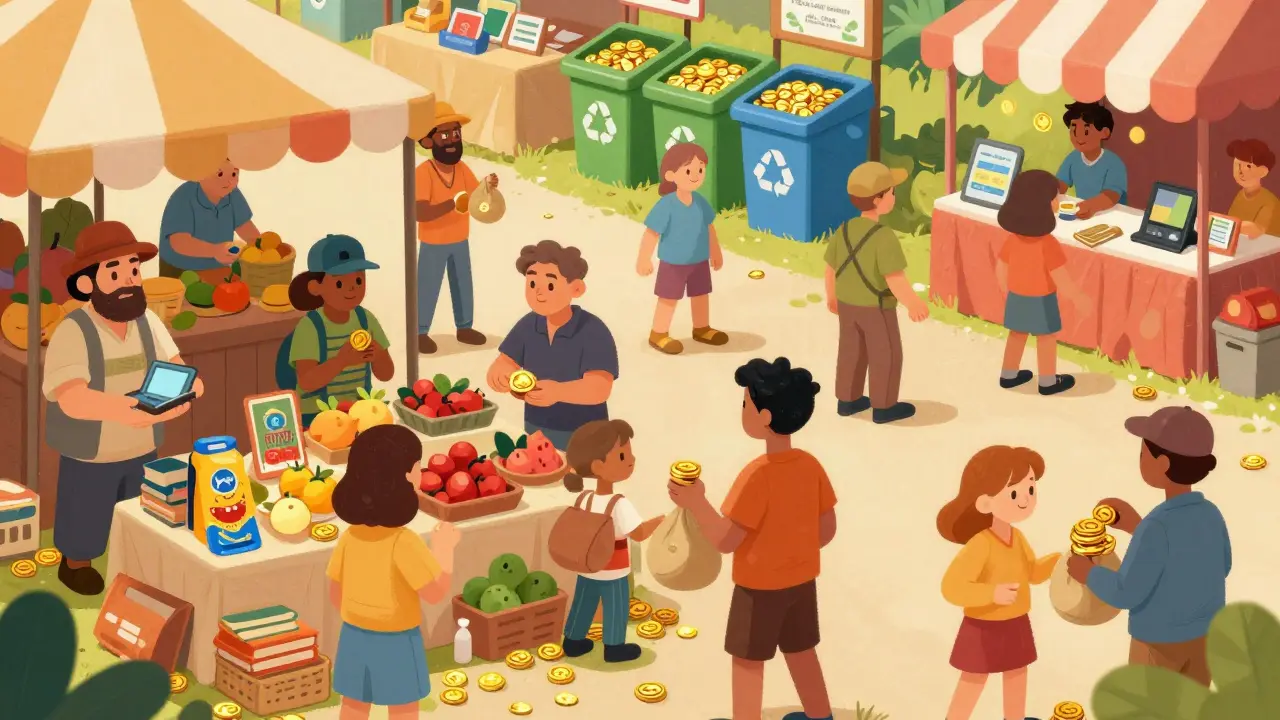
The plan included partnerships allowing MITH holders to purchase services directly. Early reports highlighted integration possibilities with dating apps, premium content channels, and recycling initiatives like INST.RECYCLE. The goal was to move beyond speculation and into utility. Ideally, you could buy everyday goods or entertainment services using your social mining earnings.
Data from earlier stages of the project showed interest growing fastest in Asian markets including Japan, Korea, and Southeast Asia. These regions have historically been more open to QR-code payments and digital wallets compared to Western markets. If adoption follows historical trends, the token's primary circulation remains concentrated in these hubs.
Competitive Landscape and Risks
You won't find Mithril operating in a vacuum. The sector of blockchain-based social media has attracted several ambitious players. Competitors like Steemit and Sapien operate on similar principles but with different underlying technologies.
Steemit, for instance, focuses heavily on blogging and community moderation using the Steem blockchain. Sola operates on EOSIO. Each project attempts to solve the same problem: reclaiming user data ownership. However, not all projects survive long-term. Liquidity is a key concern for investors. Trading volumes can dry up during market downturns.
Another risk involves the development roadmap. Projects often promise features like mobile apps or wallet upgrades that take years to launch. It is important to distinguish between whitepaper promises and deployed code. Always check the official documentation to see what is currently live versus what is in planning.
Purchase and Storage Guide
If you decide to acquire MITH tokens, security is your top priority. Historically, exchanges like OKEx and Bithumb listed the token. Depending on your region, availability may vary due to local regulations.
Once purchased, moving funds to a personal wallet is highly recommended. Relying on exchanges exposes you to third-party risks. The Mithril Vault offers a dedicated solution, but compatible hardware wallets provide an extra layer of safety against hacking attempts. Since the token migrated chains, ensure your wallet supports the specific token standard (BEP2 vs ERC-20) before depositing.
Comments
Shubham Maurya
Honestly this whole mining thing sounds like free money until you read the fine print 🤑
March 29, 2026 AT 19:57
Lisa Walton
They always claim to fix ownership but really it is just another way to sell your data cheaper.
March 31, 2026 AT 13:45
Justin Garcia
Scam.
March 31, 2026 AT 18:08
Michael Nadeau
The fundamental premise suggests a shift in how value is extracted from digital labor but we must consider the historical precedents of such platforms failing to retain liquidity. When users are incentivized solely by tokens that lack external utility, the ecosystem tends to collapse under its own weight. We see this pattern repeat across various blockchain iterations where the initial hype generates volatility without sustainable engagement. It is crucial to examine whether the mining mechanism actually encourages quality contribution or merely spam generation. If the reward structure prioritizes quantity over substance, the network degrades rapidly. Furthermore, the migration from Ethereum to Binance Chain addresses scalability yet introduces centralization risks regarding transaction approval. The security model shifts from a decentralized validator set to a smaller group of nodes which weakens censorship resistance. Many users overlook these nuances when chasing potential financial gains in the early stages. True decentralization requires trustless verification rather than reliance on corporate governance structures. The integration with existing social graphs sounds promising but creates single points of failure for data portability. Privacy concerns remain significant when mapping real identities to on-chain activity records. Regulatory bodies often target these hybrids for securities violations during market downturns. Investors should remain skeptical of whitepaper promises that exceed technical delivery capabilities. Historical data shows that most social mining projects cease operations within eighteen months of launch. The psychological trap of earning small amounts keeps users engaged longer than any utility provides. We must question if this solves the problem of big tech monopoly or simply fragments the market further. Ultimately the technology might outperform current systems but the human element remains the weakest link in the chain.
April 2, 2026 AT 14:06
Katrina Tate
Looks interesting on paper but the execution is usually where these things fall apart quickly.
April 3, 2026 AT 12:00
joshua kutcher
I hope this helps regular people finally get paid for their time online.
April 5, 2026 AT 01:41
Sean Carr
Just make sure you secure your wallet properly before moving any funds over.
April 6, 2026 AT 14:45
Markus Church
One observes that the transition to BEP2 offers distinct advantages regarding transaction speed and cost efficiency.
April 7, 2026 AT 15:07
athalia georgina
i dont think i trust this tho there are too many scmes out ther lately
April 7, 2026 AT 16:02
Alex Kuzmenko
Security is paramount and everyone needs to learn how to protect their assets from hackers
April 7, 2026 AT 19:46
Addy Stearns
The philosophical implications of monetizing attention suggest we are turning our existence into tradable commodities. This transformation raises ethical questions about consent and digital sovereignty in an age where every click is measured. We live in an era where privacy was once a default right rather than a premium subscription service. Now we must fight for the basic ability to communicate without surveillance capitalism tracking our inputs. The promise of owning our data feels revolutionary yet the implementation often relies on complex cryptographic barriers. These barriers exclude the very people who need economic empowerment the most in developing regions. Accessibility becomes a new form of inequality when hardware requirements dictate participation thresholds. The narrative of liberation masks the underlying extraction mechanics that power these ledger systems. It is fascinating how technology attempts to solve social problems without addressing root causes of exploitation. We trade one master for another when we move from ad networks to token validators. The illusion of freedom persists because the interface looks familiar and inviting to the average consumer. Real change requires dismantling the profit incentives that drive centralized platforms in the first place. Until then these experiments remain side projects for speculators rather than tools for the masses.
April 9, 2026 AT 14:16
Joy Crawford
my heart hurts thinking about how much time we waste here :( :cry:
April 9, 2026 AT 19:36
Liam Robertson
I think people just need to stay positive and support innovation whenever they can.
April 10, 2026 AT 03:14
Ronald Siggy
You need to focus on the fundamentals and ignore the noise surrounding price fluctuations today.
April 11, 2026 AT 05:56
Beverly Menezes
We should all try to understand each other better when discussing risky investments like this.
April 12, 2026 AT 05:39
Zackary Hogeboom
Come on guys let us talk about the tech stack they are using now instead of fear mongering.
April 13, 2026 AT 12:17
Samson Abraham
the technology is evolving faster than regulations can keep up with it sometimes
April 14, 2026 AT 15:08
Cara Boyer
They are watching us through thse coins to control the population growth numbers
April 14, 2026 AT 23:29
Tiffany Selchow
American companies should not be competing with foreign exchanges that operate outside our laws.
April 15, 2026 AT 12:36
Colin Finch
It reminds me of painting digital watercolor on canvas but made of pure code and light.
April 17, 2026 AT 08:15
Callis MacEwan
The BEP2 standard lacks the robust dApp functionality found in EVM chains despite speed benefits.
April 17, 2026 AT 18:28
Ashley Stump
Run while you still can they are taking everything next week.
April 18, 2026 AT 04:10
Jay Starr
This is going to be the biggest disaster in the history of finance ever.
April 19, 2026 AT 10:10
Shaira Vargas
I am so worried about losing everything I worked hard for this month.
April 19, 2026 AT 14:08
Disha Patil
I feel like no one cares about the little investors in this mess at all
April 21, 2026 AT 05:37