
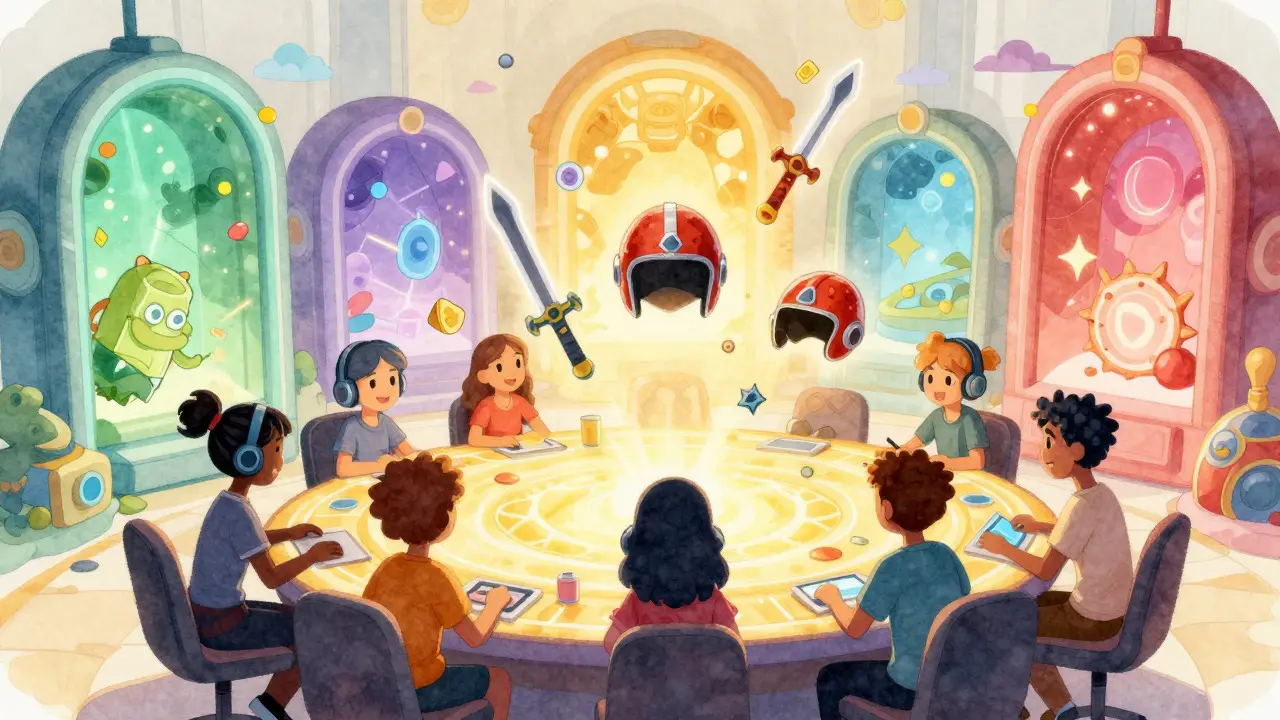
Remember the chaos of 2021? Every other tweet was about buying a pixelated ape or earning money while playing a game that looked like it was made in PowerPoint. The hype was deafening, and then it went quiet. Fast forward to mid-2026, and the noise has settled into something much more interesting. The speculative fever broke, but the technology didn't disappear. It just got better.
We are no longer talking about 'get rich quick' schemes. We are talking about a fundamental shift in how we own digital things. If you’ve been ignoring NFTs in gaming because of the bad press from three years ago, you might be missing out on the next evolution of interactive entertainment. The question isn't whether NFTs will survive-they have. The question is how they will change the way you play, earn, and connect with your favorite worlds.
The Death of "Play-to-Earn" and the Rise of "Play-and-Own"
The biggest mistake early blockchain games made was putting the wallet before the gameplay. Titles like Axie Infinity taught millions of people what cryptocurrency was, but they often felt more like jobs than hobbies. You logged in, completed repetitive tasks, and hoped the token price held steady. When the market cooled, those players left because there was no fun left in the grind.
In 2026, the industry has pivoted hard toward "Play-and-Own." The focus is back on mechanics, story, and community. Blockchain is now treated as an infrastructure layer, not the main attraction. Think of it like electricity in your house-you don't think about it until the lights go out, but it powers everything. Modern developers are building games that are genuinely fun first, with true digital ownership as a secondary benefit.
This shift is visible in the rise of hybrid models. Traditional AAA studios are experimenting with cosmetic NFTs-skins, weapons, or mounts that look cool and can be traded, but don't affect competitive balance. Meanwhile, indie developers are using decentralized autonomous organizations (DAOs) to let players vote on future game features. This gives players a stake in the game's success beyond just their time investment.
Interoperability: The Holy Grail Is Closer Than You Think
You’ve heard the dream: buy a sword in one fantasy RPG and use it in another. For years, this was marketing fluff. In reality, different blockchains and game engines couldn't talk to each other. But by mid-2026, we are seeing real progress in cross-chain interoperability protocols.
Projects are building bridges that allow assets to move seamlessly between Ethereum, Polygon, Solana, and newer Layer-2 solutions. Imagine logging into a sci-fi shooter, equipping a helmet you earned in a space exploration sim, and having it render correctly because both games support the same metadata standards. It’s not fully here yet, but the technical barriers are crumbling.
This interoperability also means your digital identity travels with you. Your reputation, achievements, and rare items become part of a persistent profile across multiple platforms. This creates a new kind of player loyalty. You aren't just loyal to a single title; you're loyal to an ecosystem where your history matters.
| Feature | 2021-2022 Era | 2026+ Era |
|---|---|---|
| Primary Goal | Earn crypto (financial incentive) | Enjoy gameplay + asset ownership |
| User Experience | Complex wallets, high gas fees | Account abstraction, seamless login |
| Asset Utility | Speculative trading only | In-game utility + cross-game potential |
| Community Role | Passive consumers | Active participants via DAOs |
| Market Focus | Hype-driven volatility | Sustainable economies & utility |
Mobile First: Bringing Blockchain to Your Pocket
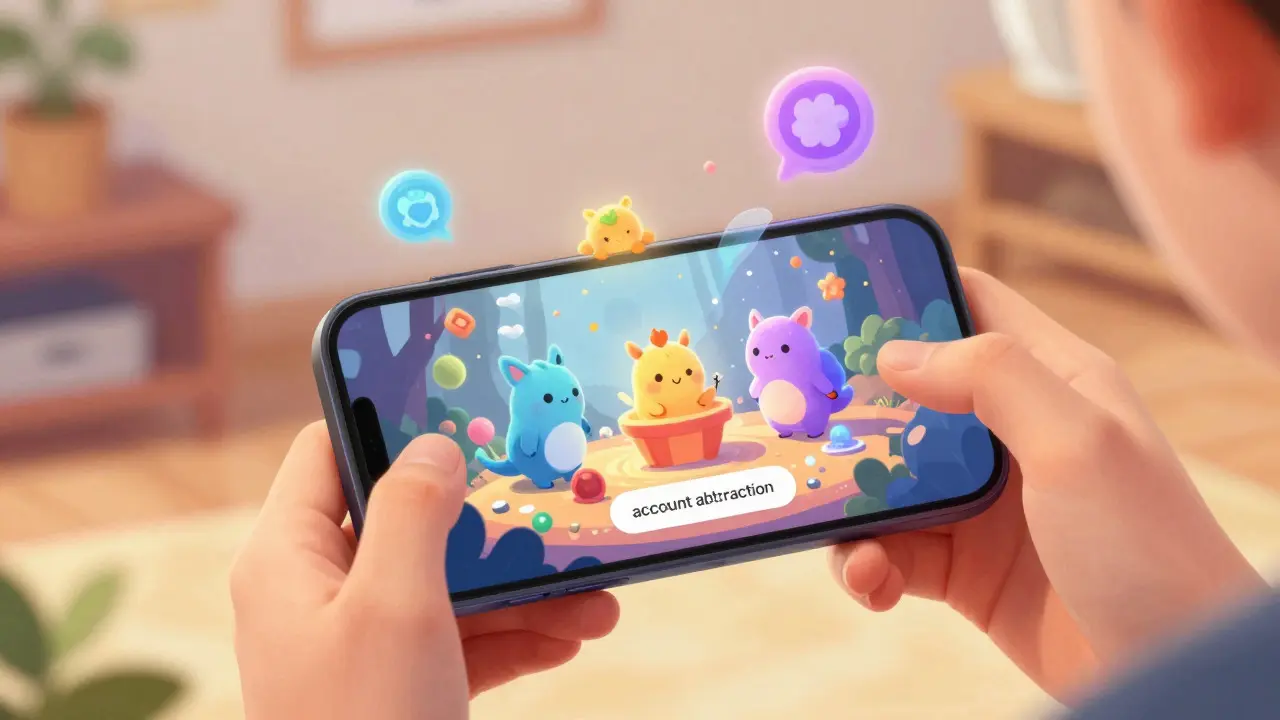
If you’re still thinking of crypto gaming as desktop-only, you’re behind the curve. By 2025, half of all blockchain gamers were accessing these experiences via mobile devices. This makes sense. Mobile is where the mass audience lives. Developers realized that asking someone to download a complex wallet app was a barrier too high for casual players.
The solution? Account abstraction. This technology hides the complexity of private keys and gas fees from the user. You log in with your Apple ID or Google account, and the backend handles the blockchain interactions. You can buy, sell, and trade NFTs without ever knowing you’re interacting with a smart contract. Apps like MetaverseGo simplified access further, creating unified portals for discovering and launching games.
This mobile-first approach is crucial for mainstream adoption. It allows for bite-sized gameplay sessions and social sharing features that native Web2 games dominate. When the friction disappears, the audience explodes. We are seeing casual puzzle games and strategy titles integrating NFT mechanics so smoothly that non-crypto natives don’t even realize they’re using blockchain.
The AI and Metaverse Connection
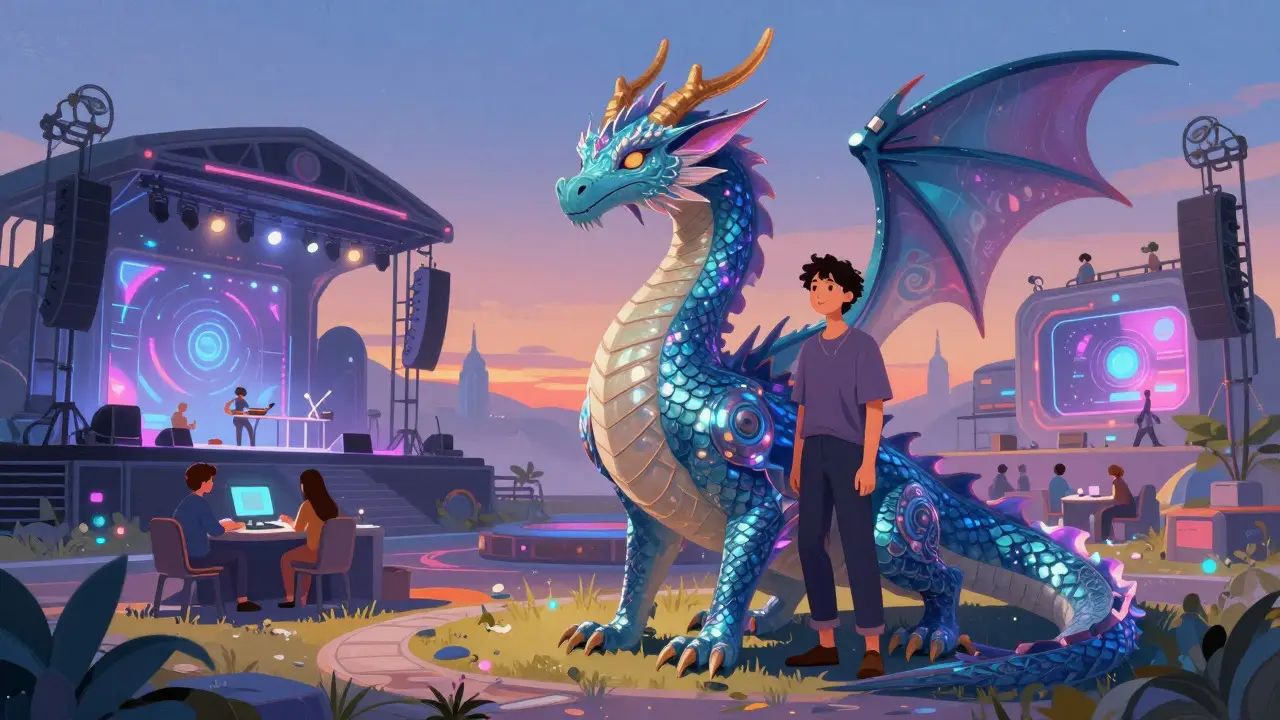
Two other massive trends are converging with NFT gaming: Artificial Intelligence and the Metaverse. AI is being used to generate dynamic content, personalized quests, and even NPCs that remember your past interactions. When combined with NFTs, these AI-generated assets can be owned by players. Imagine a unique dragon generated by an AI engine during your quest, minted as an NFT, and then sold to another player who wants to tame it.
On the Metaverse front, virtual real estate and avatars are becoming serious economic drivers. While the initial land rush has cooled, the focus has shifted to utility. Virtual spaces are now hosting concerts, conferences, and collaborative workspaces. Owning an NFT avatar or piece of land grants access to these exclusive events. Companies like Meta continue to invest heavily in VR content, with over $2 billion spent on Quest content alone. As hardware becomes lighter and cheaper, the immersive experience of owning digital assets in a 3D world will feel less like a gimmick and more like a natural extension of social media.
Challenges That Remain
It’s not all smooth sailing. Skepticism remains high among traditional gamers. Many still view NFTs as environmental disasters or scams. While the shift to Proof-of-Stake chains has reduced energy consumption by over 99%, the perception lingers. Developers have to work harder to prove that their projects offer genuine value beyond speculation.
Regulatory uncertainty is another hurdle. Governments are still figuring out how to tax and regulate digital assets. A clear legal framework would encourage bigger studios to enter the space, but until then, many operate in a gray area. Security is also paramount. Smart contract bugs can lead to devastating hacks. Players need to trust that their assets are safe, which requires robust auditing and insurance mechanisms.
Finally, there’s the issue of market volatility. If the value of in-game assets crashes, player motivation drops. Successful projects are building internal economies that are stable, backed by real utility rather than just external token prices. They focus on retention through engagement, not just financial gain.
What to Watch For in 2026 and Beyond
As we move through the rest of 2026, keep an eye on these developments:
- Major Studio Entries: Expect more announcements from top-tier publishers integrating blockchain elements into existing franchises. Look for subtle integrations rather than rebrands.
- Cross-Game Standards: Watch for open-source standards that allow assets to move between unrelated games. This is the key to true interoperability.
- AI-Generated Assets: Games that use AI to create infinite, unique NFTs for players to discover and collect.
- Improved UX: Seamless login methods and hidden wallet management will become the norm, not the exception.
- Regulatory Clarity: New laws in major markets could either boost confidence or restrict certain types of tokenomics.
The future of NFTs in gaming isn't about replacing traditional games. It's about enhancing them. It’s about giving players control over their digital lives, allowing them to truly own what they earn, and creating economies that reward creativity and participation. The hype cycle is over. The building phase has begun. And for the first time, it looks like it might actually last.
Are NFT games still worth playing in 2026?
Yes, but with a different mindset. The days of easy money are gone. Today's best NFT games focus on fun gameplay and genuine ownership. If you enjoy the game itself, the NFT aspect adds value by letting you trade or resell items. If you only play for profit, you may find the experience lacking compared to the 2021 boom.
Do I need to understand crypto to play NFT games?
Not anymore. Thanks to account abstraction and improved user interfaces, many modern games hide the blockchain complexity. You can log in with social accounts, and the game handles transactions in the background. However, understanding basic concepts like wallets and gas fees helps if you want to trade assets on external marketplaces.
Is it true that NFTs are bad for the environment?
Most modern gaming NFTs use energy-efficient blockchains like Ethereum (post-Merge), Polygon, or Solana, which consume significantly less energy than older Proof-of-Work systems. The environmental impact is now comparable to or lower than traditional server hosting for large online games.
Can I really use my NFT items in different games?
Full interoperability is still developing. Currently, most items are tied to specific ecosystems or franchises. However, new standards and cross-chain bridges are making it possible to transfer assets between compatible games. Expect this feature to expand significantly as more developers adopt open standards.
What are the risks of investing in NFT gaming assets?
The primary risk is market volatility. Asset values can drop sharply if interest wanes or if the game shuts down. Always research the development team, community activity, and tokenomics before spending significant money. Treat NFT investments as high-risk and never spend more than you can afford to lose.
Comments
Lisa Chong
They are watching us. The blockchain is not freedom, it is a digital leash designed to track every movement we make in these virtual worlds. Think about it. Who benefits from this 'ownership'? The same corporations that sold us the pixelated apes for millions while our planet burned. It is a grand illusion of control. We think we own the sword, but they own the server, and therefore they own us. This is just another layer of surveillance capitalism disguised as 'innovation'. The elites want us distracted by shiny digital toys while they dismantle democracy. Wake up people! 🚩👁️
July 22, 2026 AT 03:53
Heather Austin
i mean honestly if you ignore the conspiracy stuff its actually pretty cool how account abstraction works now. no more needing to memorize seed phrases or worry about gas fees eating your lunch. i tried a few mobile games last month and didnt even realize i was signing transactions until later. makes it way more accessible for casual players who just want to have fun without becoming crypto experts overnight
July 22, 2026 AT 18:56
Ran Tao
Oh please. 'Accessible' is code for 'predatory design targeting the uninformed.' 😒 You think hiding the wallet interface makes it better? No, it just removes the informed consent aspect entirely. People click buttons they don't understand, losing value they didn't know they had. It's dystopian efficiency wrapped in a user-friendly bow. And don't get me started on the 'fun' part. Most of these games are still Skinner boxes with worse graphics than 2015 indie titles. The hype died because the product was garbage, not because the tech failed. 💅📉
July 24, 2026 AT 14:00
Erika Pozzetto
In consideration of the broader implications of decentralized autonomous organizations within the gaming ecosystem, one must acknowledge that the shift towards player governance represents a significant paradigm change in how digital communities are structured and maintained over time which allows for a more democratic approach to development decisions rather than top down mandates from corporate entities which often prioritize profit margins over community satisfaction and long term sustainability of the game world itself.
July 26, 2026 AT 01:19
Russ Fincham
The article glosses over the sheer toxicity of DAO voting. It's not democracy; it's plutocracy. Whoever holds the most tokens dictates the future of the game. That means whales buy influence. Small players get steamrolled. It's the same old power dynamics, just with a new interface. Also, 'interoperability' is a myth. Every studio wants their walled garden. They will never let your assets leave because that's where the retention metrics live. Stop dreaming about a shared metaverse; it's a capitalist fantasy.
July 26, 2026 AT 21:46
Linda Hilliard
Exactly. The notion that 'players have a stake' is laughable when the treasury is controlled by venture capitalists who exit before the mainnet launch. I've analyzed three major projects this quarter, and the tokenomics are fundamentally broken. They rely on constant influx of new users to pay early adopters. It's a Ponzi scheme with better UI. :/
July 28, 2026 AT 06:16
Winston Lacewing
I bought a land plot in 2021 and lost everything. Now I see this 'play and own' rhetoric and I'm furious. 😡 You guys talk about utility like it exists. My 'utility' was watching my portfolio drop 90% in a week. And now you want me to trust that my new items won't be worthless next year? The environmental argument doesn't hold water either. Proof-of-Stake saves energy sure, but it centralizes power in the hands of those who can afford massive staking rewards. It's rigged. 🤬💸
July 28, 2026 AT 17:02
Kristine Lawson
Furthermore, the regulatory landscape remains perilously ambiguous, which serves only to protect the speculators at the expense of the average consumer, who is left holding the bag when the music stops; thus, we must demand stricter oversight and transparency from these so-called 'innovators' before we allow them to further erode the integrity of traditional gaming experiences, which were once pure forms of entertainment untainted by financial speculation and greed.
July 29, 2026 AT 16:19
Tawny Holmes
It's not innovation. It's monetization of attention span.
July 30, 2026 AT 10:54
Jessie Smith
the soul of gaming is dead. replaced by ledger entries. we used to play for glory now we play for roi. tragic really. the ai generated dragons sound like cheap filler content designed to dilute scarcity. true rarity cannot be algorithmically mass produced. it feels hollow. like eating plastic food. delicious looking but nourishes nothing. 🍽️🤖
August 1, 2026 AT 04:27
Drew M
You're missing the point entirely! 🌟 It's about provenance! Knowing that your item is unique and verifiable adds a layer of prestige that traditional loot boxes never could. Imagine showing off a sword that has a history of battles across different servers. That's status! That's culture! The elitists hate it because they can't gatekeep it anymore. Embrace the future! ✨⚔️
August 2, 2026 AT 05:44
Deep Rahman
When we consider the nature of ownership in a digital realm, we must ask ourselves what it truly means to possess something that exists only as data on a distributed network, for if the network ceases to exist or the consensus changes, does the ownership vanish into the ether, leaving us with mere memories of possession, much like dreams upon waking, suggesting that perhaps our attachment to these digital artifacts is a reflection of our deeper human desire for permanence in an increasingly transient and fluid world where nothing stays the same forever.
August 2, 2026 AT 08:31
Melissa Beckwith
I've been tracking the liquidity pools for several major gaming tokens, and the trend is clear: volume is shifting away from speculative trading pairs toward stablecoin-backed marketplaces for cosmetic items. This indicates a maturation of the sector. Players are treating NFTs like skins in Fortnite, but with actual resale value. It's subtle, but the data supports the 'Play-and-Own' thesis. The noise is gone, replaced by steady, organic growth in active wallets.
August 3, 2026 AT 04:01
Josephine Finlayson
It is wonderful to see such thoughtful analysis being shared here; perhaps we can all find common ground by focusing on the positive aspects of technology that bring people together in creative ways, while remaining mindful of the potential pitfalls and ensuring that everyone feels included and respected in this evolving digital landscape, which ultimately fosters a healthier and more supportive community for all participants involved.
August 4, 2026 AT 12:51
Tuan Nguyen
'Healthier community'? Please. It's a casino with better lighting. The introverts among us just want to play games without reading whitepapers or joining Discord servers to vote on font sizes. The intrusion of finance into leisure is exhausting. Keep your blockchains out of my single-player campaigns.
August 5, 2026 AT 15:04
Hazel Fruitman
i feel like ppl forget that most gamers dont care about the tech under the hood. if it works and looks good thats enough. why complicate things with moralizing about ownership when you can just enjoy the game? its silly to get so worked up over pixels. lets just play and chill ok. peace. ✌️
August 7, 2026 AT 04:44
Autumn Story
I think there is real potential here if developers listen to feedback!! It’s exciting to see AAA studios experimenting carefully instead of rushing in blindly like before. Maybe this time it will stick because the focus is on fun first. Fingers crossed for better UX and less scammy vibes! 🌈✨
August 9, 2026 AT 02:13
Mark Tuason
While the enthusiasm is noted, it is prudent to maintain a cautious perspective regarding the integration of blockchain technologies into established gaming franchises, as historical precedents suggest that rapid adoption often leads to unforeseen complications in user experience and economic stability, thereby necessitating a measured approach to implementation.
August 10, 2026 AT 21:09
Ella Collinson
The semantic drift in the term 'ownership' is problematic. Legally, you license assets in Web2 games too. In Web3, you hold a token pointing to metadata. If the IP holder revokes the license, your NFT is useless. So, is it ownership? Or just a receipt? The legal frameworks haven't caught up to the marketing speak. Until then, it's speculative fiction.
August 12, 2026 AT 18:26
Ray Arney
yeah i guess thats fair. i just hope the games are actually good to play regardless of the backend. if the gameplay sucks nobody cares if they own the gun or not. simple as that.
August 14, 2026 AT 07:29