
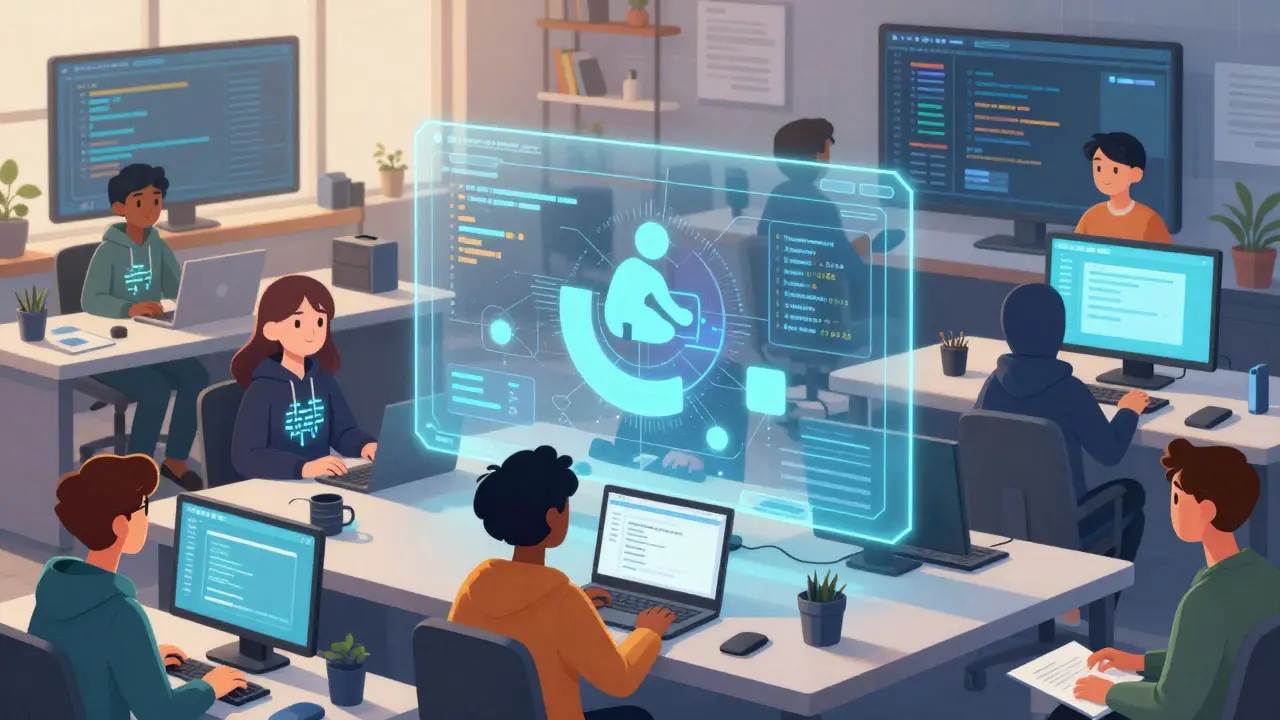
Most blockchain projects fail not because of bad code, but because of broken teams. You can have the smartest algorithm in the world, but if your core developers are ghosting GitHub or your community managers are posting into the void, the token price will eventually reflect that dysfunction. Analyzing team and development activity is the only way to cut through the marketing noise and see if a project is actually alive.
This isn't about guessing who the founders are. It's about looking at hard data: commit frequency, issue resolution times, contributor diversity, and on-chain governance participation. When you combine these signals, you get a clear picture of whether a project is moving forward or just coasting on hype. Here is how to read the vitals of any Web3 project before you put money or time into it.
Why Team Composition Matters More Than Whitepapers
In traditional software companies, you trust the brand. In blockchain, you trust the code and the people maintaining it. A whitepaper is a promise; a GitHub repository is reality. The central entity here is the Development Team, which consists of the engineers, architects, and maintainers responsible for building and updating the protocol. Unlike closed-source corporations, most blockchain projects are open-source, meaning their workforce is visible to anyone with an internet connection.
You need to look beyond the names listed on the website. Are the same five people making 90% of the commits? That’s a key-person risk. If one person leaves, does the project stall? Conversely, a healthy project shows a broad base of contributors. Look for Core Contributors, defined as individuals who have made significant pull requests or merged code into the main branch over the last six months. A diverse team reduces the risk of single-point failures and brings varied perspectives to problem-solving.
Also, check for Anonymous Developers. In Web3, pseudonyms are common. While this adds a layer of mystery, it doesn't necessarily mean low quality. What matters is consistency. If an anonymous account has been pushing reliable code for two years, they are a valid part of the team structure. The relationship between anonymous developers and project longevity is often stronger than with named individuals who might burn out or leave due to personal reasons.
Reading the Code: Metrics That Actually Matter
Now let's get into the technical side. How do you measure if a team is active? You don't count lines of code-that metric is notoriously flawed. Instead, focus on Commit Frequency, which tracks the number of changes pushed to the repository within a specific timeframe. A steady stream of small commits indicates ongoing maintenance and iterative improvement. Large, infrequent commits might suggest a major release cycle, but long gaps between them are red flags.
Beyond commits, look at Pull Request Velocity. This measures how quickly new features or bug fixes are proposed and reviewed. If PRs sit unmerged for weeks, it suggests poor internal communication or a lack of senior engineering oversight. Effective team building in tech relies on clear workflows, and slow merge times are a direct indicator of workflow breakdowns.
Consider this comparison table to understand what different activity levels signal:
| Metric | Healthy Signal | Risk Signal | Implication |
|---|---|---|---|
| Commit Frequency | Daily or weekly consistent pushes | Months of silence followed by a burst | Consistency vs. Panic coding |
| Contributor Count | Growing or stable diverse group | Shrinking group or 1-2 dominant figures | Sustainable growth vs. Key-person risk |
| Issue Resolution Time | Issues closed within days | Issues open for months without response | Responsive support vs. Neglected codebase |
| Code Review Depth | Multiple reviewers per PR | Self-merged PRs with no comments | Quality control vs. Technical debt |

The Role of Community Engagement in Development
Development doesn't happen in a vacuum. In blockchain, the community often drives the roadmap. This is where Community Governance comes in. It is the process by which stakeholders vote on protocol changes, funding allocations, and strategic directions. High-quality team building extends to the community. If the core team ignores forum discussions or Discord feedback, you have a disconnect between builders and users.
Look at On-Chain Voting Participation. Low turnout usually means apathy or a centralized voting power held by a few whales. Healthy projects show a broad base of voters. This mirrors the benefits of traditional team building activities, which aim to create shared identity and mutual understanding. In Web3, that shared identity is forged through transparent decision-making processes.
When a team successfully integrates community input, you see faster adoption. For example, if a user proposes a minor UI fix on the forum and the dev team implements it within a week, that builds immense trust. This loop of feedback and action is the digital equivalent of effective workplace communication exercises. It proves the team listens, adapts, and values its users' time.
Identifying Burnout and Stagnation Early
Even great teams hit walls. How do you spot burnout before it kills the project? Watch for Release Cadence Slippage. If a project promised monthly updates and starts missing deadlines repeatedly, it’s often a sign of resource exhaustion. The World Health Organization defines burn-out as a syndrome resulting from chronic stress, and in open-source projects, this manifests as reduced output and increased error rates.
Another sign is Technical Debt Accumulation. When teams rush features without refactoring old code, bugs pile up. You can detect this by looking at the ratio of new issues opened versus issues closed. If new issues are opening faster than they are being fixed, the project is losing ground. This is similar to how organizations use team building to prevent isolation and stress; in code, prevention means regular maintenance sprints and adequate staffing.
Don't ignore social media sentiment, but filter it carefully. Rage-bait posts are common. Instead, look at the tone of discussion in technical channels. Are devs arguing constructively? Are they sharing learning resources? A vibrant, respectful technical community is a strong predictor of long-term stability.

Practical Steps for Your Own Analysis
You don't need to be a coder to perform this analysis. Here is a simple checklist you can use for any project:
- Check the GitHub Repository: Look at the 'Insights' tab. Check the contribution graph for the last 6 months. Is it green (active) or gray (inactive)?
- Count Active Contributors: Use tools like Open Source Insights to see how many unique people contributed code in the last year. Aim for more than 5 active contributors for mid-size projects.
- Review Issue Tracker Hygiene: Go to the 'Issues' tab. Sort by 'Newest'. Are recent issues being acknowledged by a maintainer? If there are zero comments on new issues for weeks, the team is likely disengaged.
- Examine Governance Portals: Visit the project's governance site (like Snapshot or Tally). Check the voter count for the last three proposals. Consistent participation is key.
- Monitor Social Channels: Join the official Discord or Telegram. Don't just watch; observe. Do admins answer questions? Do devs post progress updates? Silence from core staff is a warning sign.
These steps take less than an hour but provide a much clearer picture than reading ten press releases. They reveal the actual operational health of the project, separating those that are genuinely developing from those that are merely existing.
Frequently Asked Questions
How often should I re-analyze a blockchain project's team activity?
For active holdings, check quarterly. Major shifts in contributor counts or commit frequency usually happen over months, not days. However, during critical upgrade periods or after large token unlocks, you should monitor weekly to catch immediate signs of instability.
Does a high number of commits always mean good development?
Not necessarily. High commit volume can sometimes indicate chaotic coding practices or excessive refactoring without clear purpose. Quality matters more than quantity. Look for meaningful changes, such as new feature implementations or critical security patches, rather than trivial formatting tweaks.
What is the difference between core developers and community contributors?
Core developers typically have write access to the main repository and make architectural decisions. Community contributors submit pull requests that must be reviewed and approved by the core team. A healthy ecosystem balances both, with core devs providing direction and community members adding breadth and innovation.
Can I trust anonymous teams if they have no public identities?
Yes, provided they have a long track record of consistent delivery. Many successful protocols, like early Bitcoin or Ethereum, relied heavily on pseudonymous developers. Trust is built through verifiable actions-code merged, audits passed, and promises kept-rather than personal identities.
How does remote work affect blockchain team dynamics?
Blockchain is inherently remote-first. This requires stronger asynchronous communication tools. Teams that struggle with remote collaboration often show delayed responses in issue trackers and forums. Successful remote teams invest in clear documentation and structured communication channels to mimic the clarity of in-person interactions.