
When you hear about a Zerogoki airdrop, a rumored token distribution tied to an unverified Web3 project. Also known as Zerogoki token drop, it’s one of many claims floating around that look like free money—but often lead to stolen wallets. There’s no official website, no whitepaper, no team profile, and no blockchain explorer record for a Zerogoki token. Yet, social media posts and Telegram groups are pushing it hard, asking you to connect your wallet, pay gas fees, or share private keys to "claim" it. That’s not how real airdrops work.
Real airdrops, like the ones from PandaSwap (PND), a verified DeFi project with documented token distribution or Bot Planet (BOT), a play-to-earn game with public smart contracts, don’t ask you to send crypto upfront. They don’t need your seed phrase. They don’t rush you. They announce details on official channels, link to verified contracts, and let you claim tokens after meeting clear, public criteria. Zerogoki does none of that. It’s a ghost project with a flashy name, built to trap people who don’t know how to verify legitimacy.
Scammers love targeting new crypto users with fake airdrops because they’re easy to pull off. They copy names from real projects, use fake Twitter accounts with blue checks (bought or hacked), and post screenshots of fake wallet balances. They know most people won’t check the contract address on Etherscan or BscScan. They rely on FOMO. If you’ve seen posts about Zerogoki, you’ve also seen similar scams like SWAPP airdrop, a non-existent token that tricked hundreds into signing malicious approvals or PNDR (Pandora Protocol), a rumor that turned into a phishing trap. These aren’t accidents. They’re repeatable fraud models.
Here’s what you should do instead: Always check CoinMarketCap or CoinGecko for the official token symbol. Search the project’s name + "contract address" and verify it matches what’s listed on their official site (if they have one). Look for audit reports from CertiK or Hacken. If you can’t find any, walk away. No legitimate project hides behind anonymity and urgency. If someone tells you to act now or lose your spot, they’re lying. Real airdrops last weeks or months. They don’t vanish after 24 hours.
The Zerogoki airdrop isn’t a missed opportunity—it’s a red flag. And the more people fall for it, the more scammers keep building new ones. Your wallet isn’t a lottery ticket. Protecting it means asking questions before clicking. Below, you’ll find real examples of what fake crypto drops look like, how they trick people, and how to spot the next one before it’s too late.
Posted by Minoru SUDA with 14 comment(s)
Nov
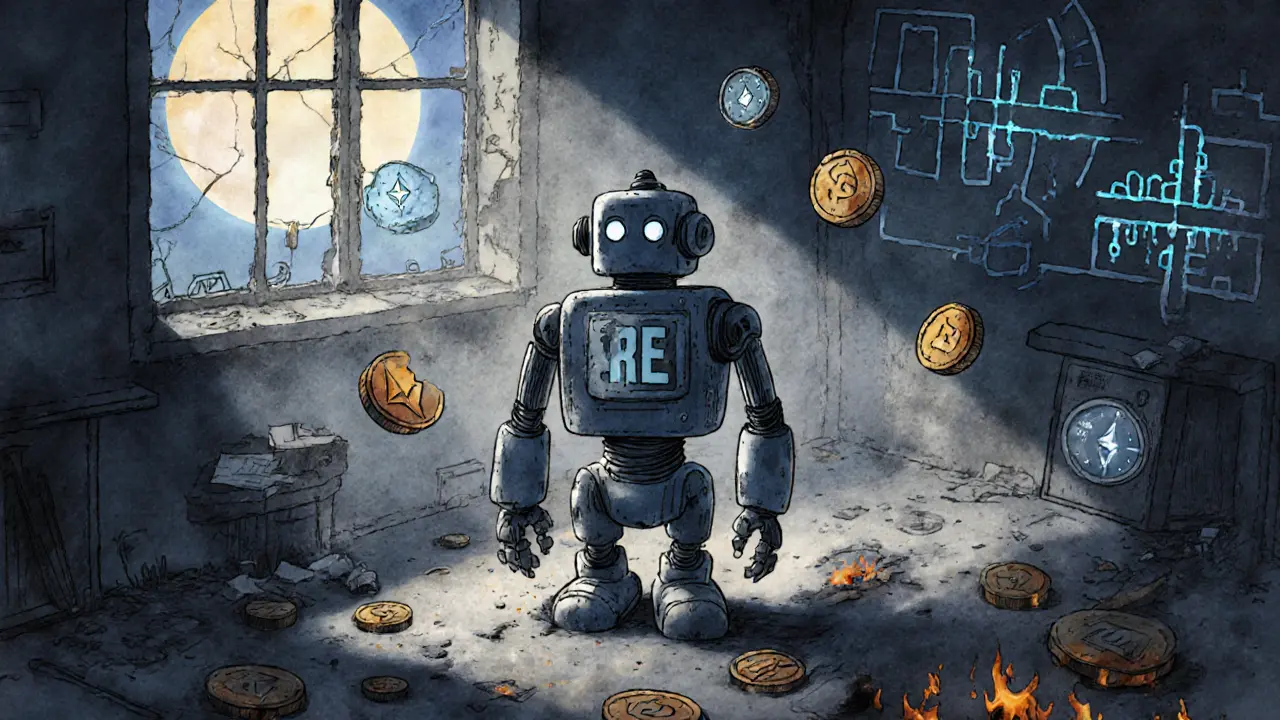
There is no active REI token airdrop from Zerogoki. The project shows zero supply and no public details. Learn why it's an experimental test, not a real token launch - and how to avoid scams pretending to offer free REI tokens.
view more