
When you hear zero fee crypto, a trading model where users pay no transaction or trading fees on crypto exchanges. Also known as no fee crypto trading, it promises to cut out the middleman and let you keep more of your gains. But here’s the catch: if a platform says it’s completely free, they’re either lying, subsidizing you with something else, or hiding fees elsewhere—like withdrawal charges, spreads, or locked tokens.
Real crypto exchange fees, the costs charged by platforms for buying, selling, or transferring digital assets are how most exchanges make money. Some, like Coinmate and ADEN, offer very low fees by cutting overhead or focusing on specific regions. Others, like RDAX.io, claim zero trading fees but don’t support fiat, forcing you to deposit crypto first—which means you still pay network fees. And then there are platforms that charge nothing on trades but make you pay in time, attention, or by locking your coins in staking or yield farms.
Look closer at the free crypto trading, the illusion or reality of trading without direct costs on crypto platforms claims. Some airdrops, like BonusCake, give you CAKE tokens automatically just for holding a token—so you’re earning, not paying. But that’s not trading. That’s passive income. True zero-fee trading means you can buy Bitcoin, sell Ethereum, and swap tokens without a single dollar in fees. Only a handful of exchanges come close. ADEN offers gasless trading on derivatives. ACX has competitive maker-taker fees. But even they aren’t truly zero—just low enough to feel like it.
And don’t forget the hidden traps. Some sites call themselves zero fee but charge high withdrawal fees—like Bit2C, which has high crypto pull-out costs. Others, like RDAX.io, have no user reviews, no regulation, and no transparency. That’s not a deal—it’s a risk. Real zero fee crypto doesn’t mean no rules. It means clear, fair, and upfront costs. If the fine print is long, it’s not free. If the platform feels too new or too flashy, it’s probably not real.
What you’ll find below isn’t a list of miracle platforms. It’s a collection of real stories from people who chased zero fee crypto—and found out what actually works. Some found hidden fees. Others got scammed by fake exchanges like Wavelength or YourToken. A few stumbled onto legit low-cost options like Coinmate or ADEN. You’ll see what’s real, what’s risky, and what’s just noise. No fluff. No promises. Just what you need to know before you trade.
Posted by Minoru SUDA with 15 comment(s)
Nov
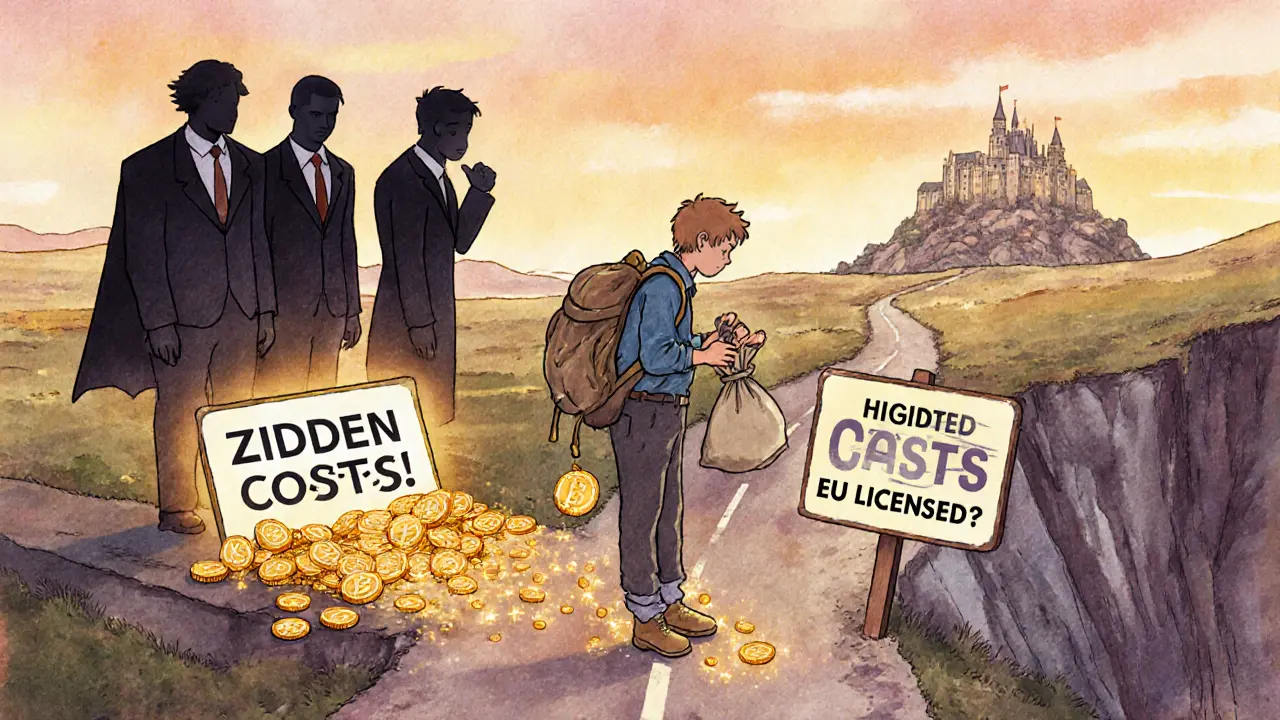
Qmall Exchange claims zero fees and EU regulation, but evidence shows hidden costs, unverified licenses, and poor user trust. Learn why this platform is risky and what safer alternatives exist.
view more