
When you hear Stablecoin Regulation, the collection of laws and guidelines that control how stablecoins are created, backed, and traded. Also known as stablecoin rules, it shapes everything from reserve audits to consumer protections. Stablecoins, digital assets pegged to a fiat currency or other stable value sit at the heart of the debate because they promise crypto speed while trying to keep price volatility low. US Treasury, the U.S. government department that drafts fiscal policy and financial regulations has been pushing for clearer reporting standards, while the EU MiCA (Markets in Crypto‑Assets) framework Europe's comprehensive set of rules for crypto assets already mandates reserve transparency for issuers operating in the bloc. Together these entities create a web of compliance that every stablecoin project must navigate.
Stablecoin regulation encompasses three core parts: reserve‑backing requirements, consumer‑risk disclosures, and anti‑money‑laundering (AML) checks. In practice, that means an issuer has to publish regular proof that the assets backing each token really exist – a simple audit trail that regulators can verify. The rules also require clear labeling so users know whether they hold a fiat‑backed coin, a commodity‑backed token, or an algorithmic stablecoin that relies on smart‑contract mechanics. On the AML side, crypto regulators, government agencies that oversee digital asset activities demand Know‑Your‑Customer (KYC) procedures for anyone who buys or redeems large volumes. When the US Treasury drafts a policy brief, it often nudges the Securities and Exchange Commission (SEC) and the Financial Crimes Enforcement Network (FinCEN) to tighten those KYC standards. Meanwhile, the EU's MiCA framework influences global markets because many projects choose to launch there first, using the EU's clear guidelines as a benchmark for other jurisdictions.
All of this sounds like a lot, but the payoff is real: stablecoins that follow the rules tend to keep their peg, attract institutional money, and avoid costly legal battles. Below you’ll find a mix of deep dives, country‑specific guides, and practical how‑tos that spell out exactly what each piece of regulation looks like on the ground. Whether you’re an issuer trying to stay compliant, a trader weighing risk, or just curious about the legal landscape, the articles ahead break down the complex web into bite‑size insights you can act on right now.
Posted by Minoru SUDA with 14 comment(s)
Feb

Exploring how fiat currencies and digital currencies like CBDCs and stablecoins coexist today, their economic impact, regulatory challenges, and future trends in global finance.
view morePosted by Minoru SUDA with 19 comment(s)
Mar
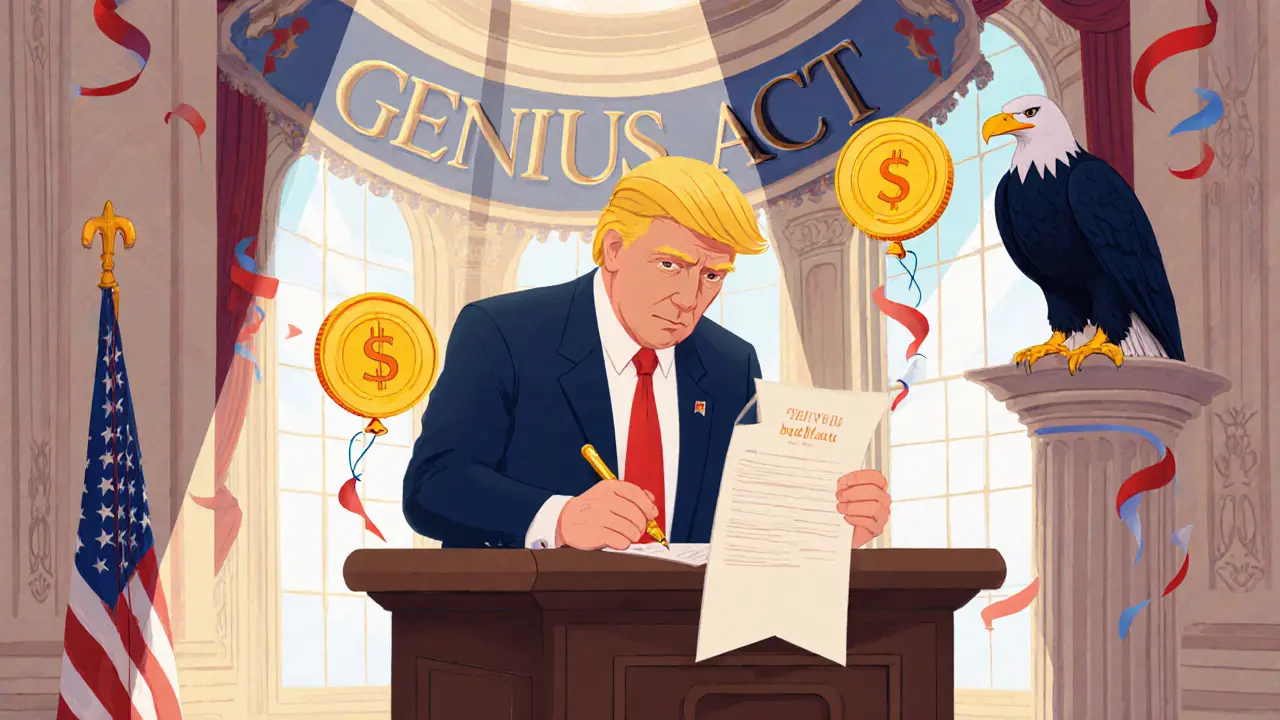
A clear, 2025‑focused guide to the GENIUS Act, the U.S. federal framework regulating payment stablecoins, covering requirements, oversight, timeline and market impact.
view more