
When working with Smart contracts, self‑executing code that lives on a blockchain and runs automatically when preset conditions are met. Also called programmatic contracts, they cut out middlemen and lock agreements in code. The engine behind many Decentralized Finance, financial services that operate without traditional banks platforms, they also enforce the rules of Tokenomics, the economic model built into a cryptocurrency. Even a simple Airdrop, free token distribution driven by smart‑contract logic depends on these contracts to verify eligibility and send rewards.
Smart contracts are a type of programmable agreement, so they require a blockchain to host them. The most popular host is Ethereum, but newer chains like Binance Smart Chain, Polygon and Solana offer cheaper‑to‑run alternatives. Each platform defines its own virtual machine, which dictates how fast a contract can execute and how much gas it costs. Developers choose a chain based on the trade‑off between security, speed and cost—key attributes that shape the contract's design.
DeFi relies on smart contracts to create automated lending pools, decentralized exchanges and yield farms. Without them, users would need to trust a centralized entity to hold and move their assets. Tokenomics is another direct outcome: a contract can mint new tokens, burn old ones, or redistribute fees automatically, ensuring the token’s supply behaves exactly as the project promises. Airdrop campaigns use the same logic to check wallet balances, snapshot dates, and eligibility criteria, making the distribution trustless and auditable.
Security is a constant concern. A bug in the contract code can freeze funds or let attackers drain them. That’s why audits, formal verification and testnets are standard steps before a contract goes live. Auditing firms issue reports that highlight re‑entrancy risks, integer overflows and other common vulnerabilities. In practice, a well‑audited contract builds user confidence, which in turn drives higher participation in DeFi protocols and token sales.
Beyond finance, smart contracts enable NFT minting, gaming rewards and even voting systems. In gaming, a contract can mint a unique item when a player reaches a milestone, while in governance it can tally votes and execute decisions without a central authority. These use cases illustrate the broader claim that smart contracts are a universal building block for any trust‑less interaction on a blockchain.
The articles below dive deeper into each of these angles. You’ll find step‑by‑step guides on claiming airdrops, detailed reviews of DeFi platforms, breakdowns of tokenomics models and analyses of how regulatory sandbox programs test smart‑contract innovations. Browse the collection to see real‑world examples of how smart contracts shape the crypto landscape today.
Posted by Minoru SUDA with 17 comment(s)
Oct
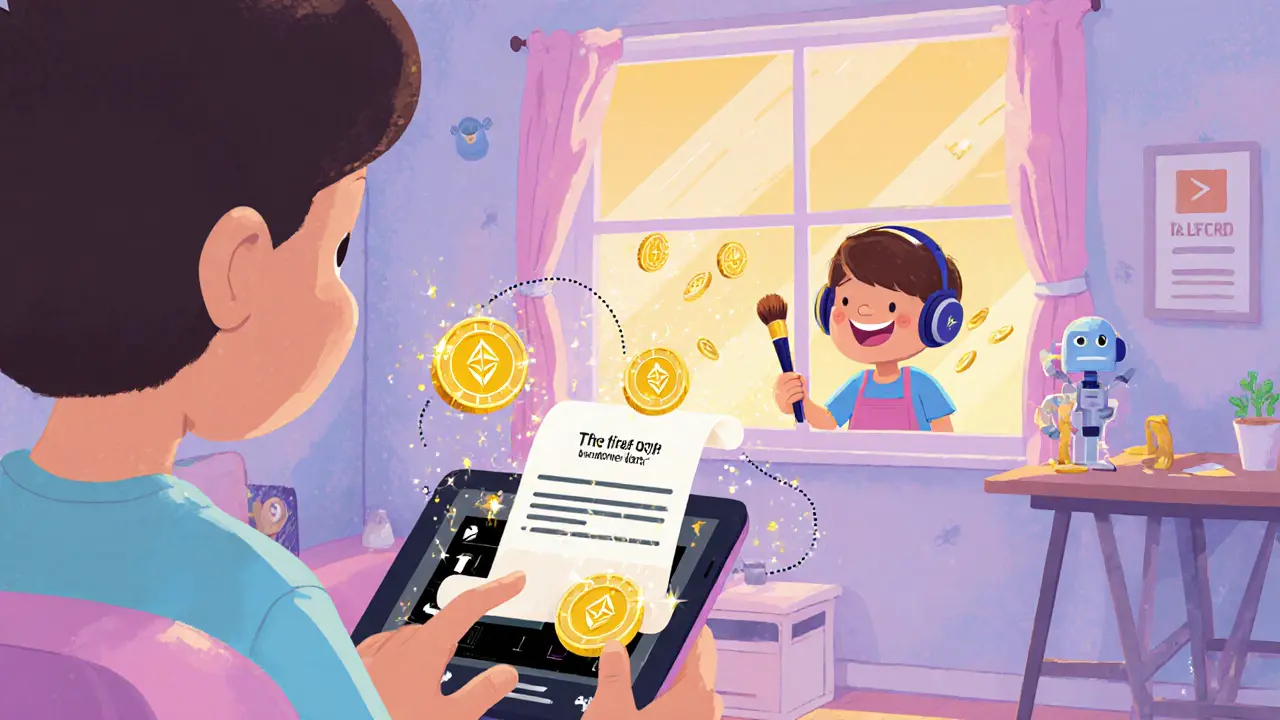
Learn how smart contracts on blockchain enable instant, transparent content monetization. This guide covers models, deployment steps, benefits, pitfalls, and future trends for creators.
view morePosted by Minoru SUDA with 17 comment(s)
Oct
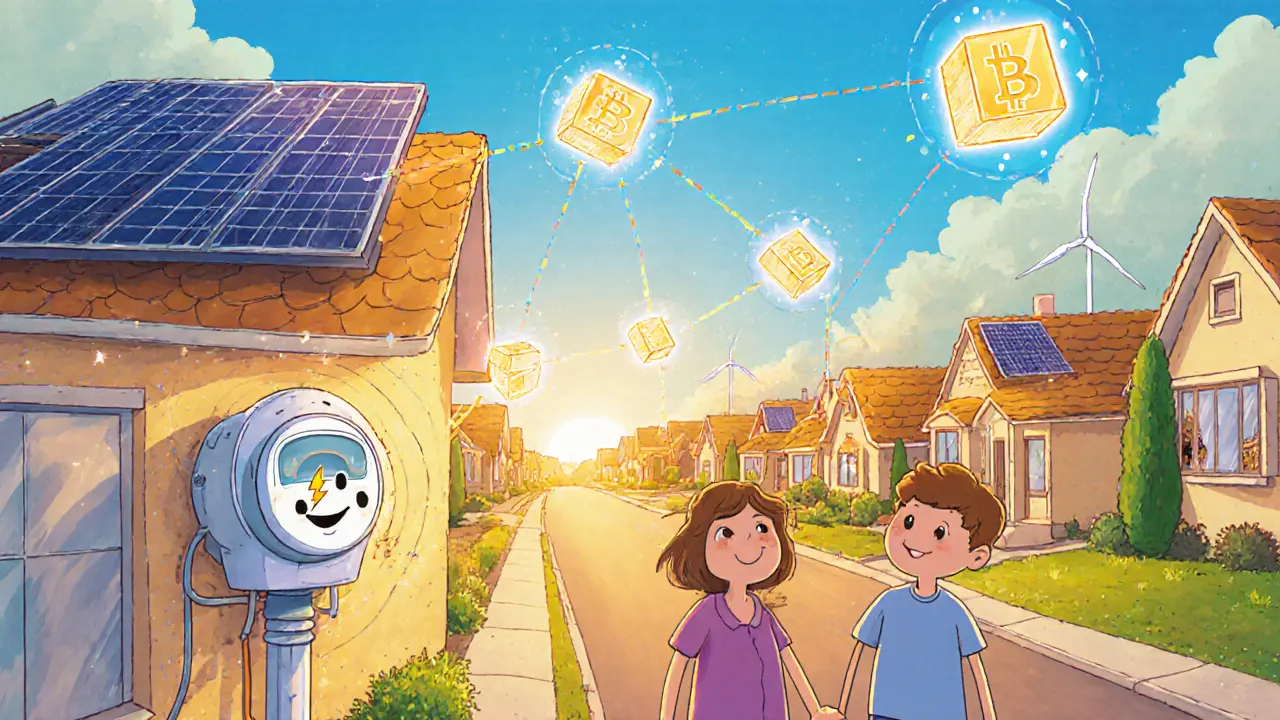
Explore how blockchain energy trading cuts costs, boosts transparency, empowers homeowners, and strengthens grid resilience while promoting renewable adoption.
view more