
When you hear regulated crypto exchange, a cryptocurrency trading platform that operates under official financial oversight. Also known as licensed crypto exchange, it’s the only kind you should trust with your money—because unregulated ones can vanish overnight with your coins. Unlike shady platforms that appear overnight with flashy ads, a real regulated exchange must prove it’s secure, transparent, and accountable. That means showing proof of reserves, following anti-money laundering rules, and often getting approved by agencies like the SEC, FCA, or CNBV.
That’s why you’ll see posts here about Coinmate, a crypto exchange licensed in the Czech Republic and trusted by European traders, or Bit2C, Israel’s oldest exchange, regulated by the Israeli government and built for local users. These aren’t just popular—they’re legally required to keep your funds separate, report suspicious activity, and protect your identity. On the flip side, platforms like Wavelength, a fake exchange with no official presence or licensing, or RDAX.io, a platform hiding behind low fees but offering zero regulatory proof, are red flags. They don’t answer to anyone. If they disappear, you have no recourse.
Regulation doesn’t mean perfection—it means accountability. A regulated exchange can still have high fees or limited coins, but at least you know they’re not running a Ponzi scheme. Countries like Mexico, Canada, and Israel have clear rules now, and exchanges that want to stay open follow them. That’s why you’ll find guides here on crypto exchange regulation in places like New Brunswick, where mining got banned, or Mexico, where FinTech Law now shapes how businesses operate. These aren’t just news stories—they’re warning signs and roadmaps. If a platform claims to be regulated but won’t name its regulator, walk away. If it doesn’t list its license number, it’s not legit. The posts below cut through the noise: they show you which exchanges actually comply, which ones are scams, and how to spot the difference before you deposit a single dollar.
Posted by Minoru SUDA with 16 comment(s)
Dec
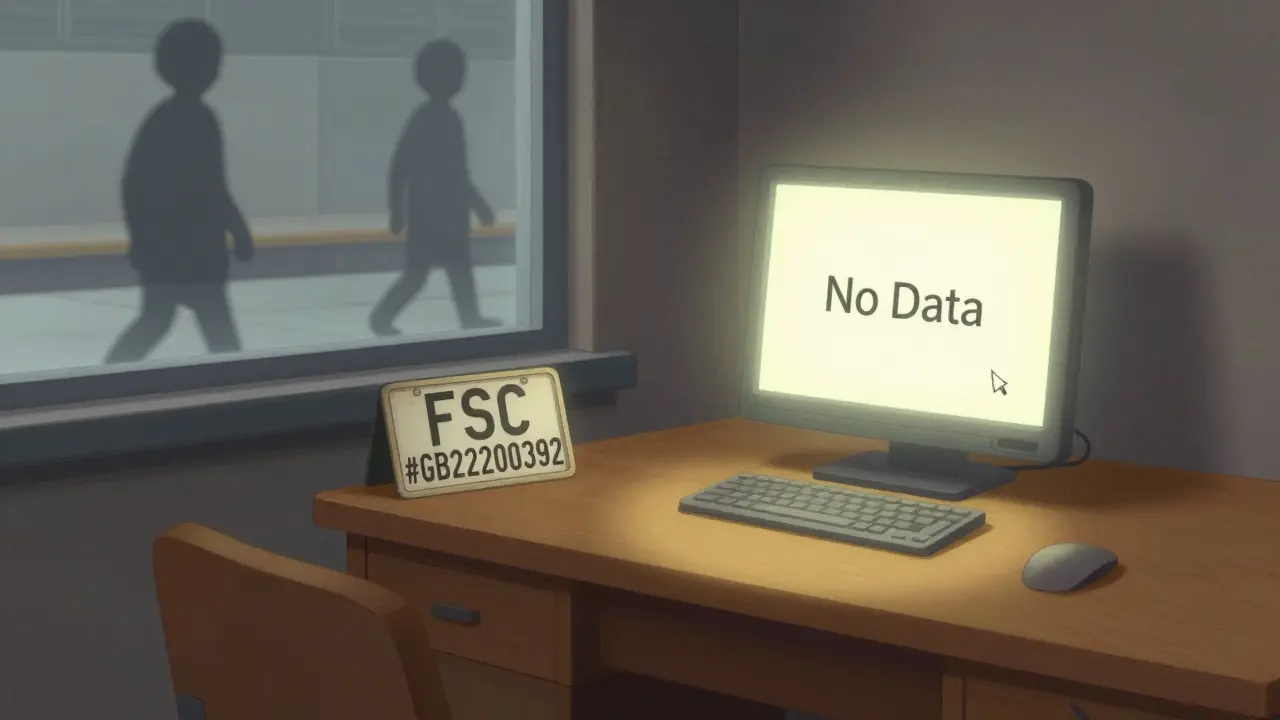
BEX Mauritius Block Exchange holds a regulatory license but shows zero trading activity, no user reviews, and no transparency. A licensed ghost exchange with no real users or market presence.
view morePosted by Minoru SUDA with 15 comment(s)
Nov
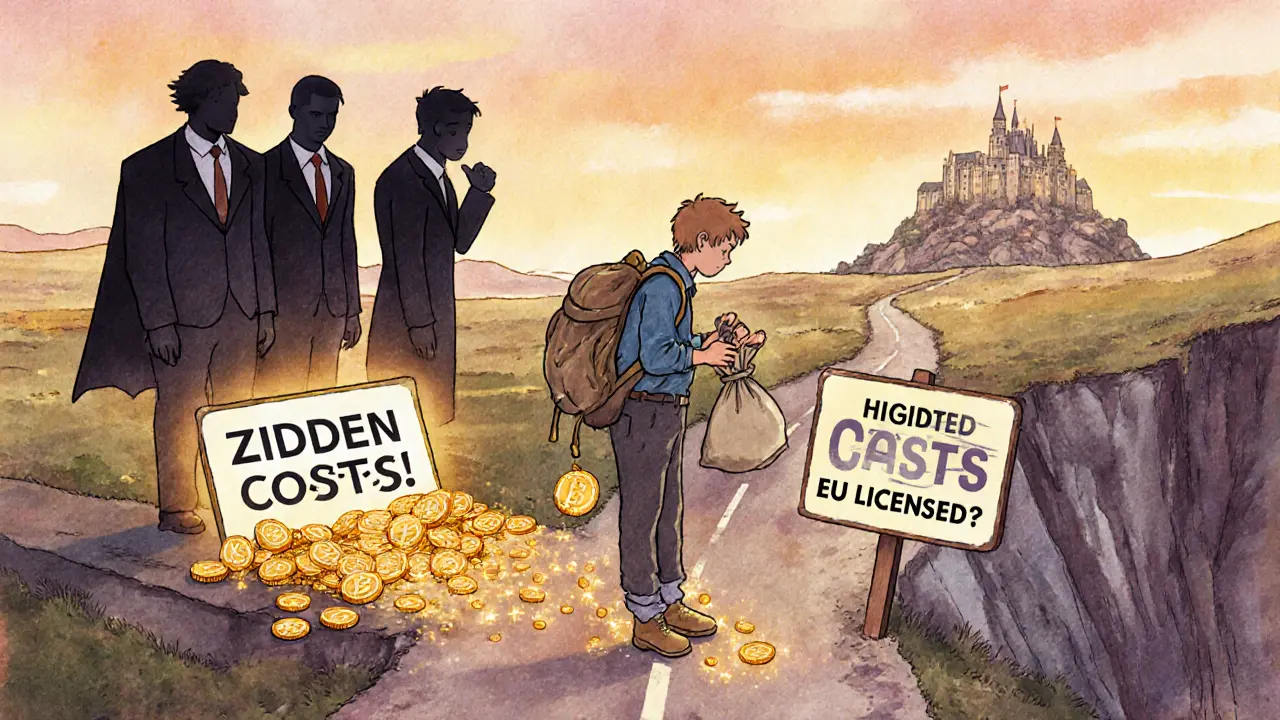
Qmall Exchange claims zero fees and EU regulation, but evidence shows hidden costs, unverified licenses, and poor user trust. Learn why this platform is risky and what safer alternatives exist.
view more