
When you hear on-chain metrics, real-time data tracked directly from blockchain transactions that reveal trader behavior, wallet activity, and network health. Also known as blockchain analytics, it’s the only way to see what’s really happening behind the price charts. Most people watch candlesticks. Smart investors watch what miners are doing, how much Bitcoin is moving to exchanges, and whether holders are selling at a profit or holding through the dip.
Take the MVRV ratio, a metric comparing Bitcoin’s market value to its realized value, showing if the asset is overbought or undervalued based on what people originally paid for it. When it spikes above 3.5, history shows it’s often a sign of a top. When it drops below 1, it usually means most holders are underwater—classic accumulation territory. Then there’s SOPR, the Spend Output Profit Ratio, which tracks whether coins being moved are being sold at a gain or loss. If SOPR falls below 1, it means people are selling at a loss—often a sign of panic or capitulation. And exchange flows, the volume of crypto moving into or out of centralized exchanges, tell you if people are preparing to sell (going to exchanges) or storing long-term (leaving exchanges).
These aren’t guesses. They’re numbers pulled from the public ledger—every transaction, every wallet movement, every miner payout is recorded forever. You don’t need a fancy tool to see them. You just need to know what to look for. That’s why posts here break down real examples: how Bitcoin’s MVRV predicted the 2021 bull run peak, how SOPR dropped before the 2022 crash, and why exchange outflows spiked right before the 2023 rally. You’ll find guides that show you exactly how to read these signals, not just what they mean. You’ll also see warnings about fake metrics and misleading dashboards that promise miracles but deliver noise. This isn’t theory. It’s what traders and analysts use to make decisions when the charts are screaming but the data says otherwise.
Posted by Minoru SUDA with 0 comment(s)
Nov
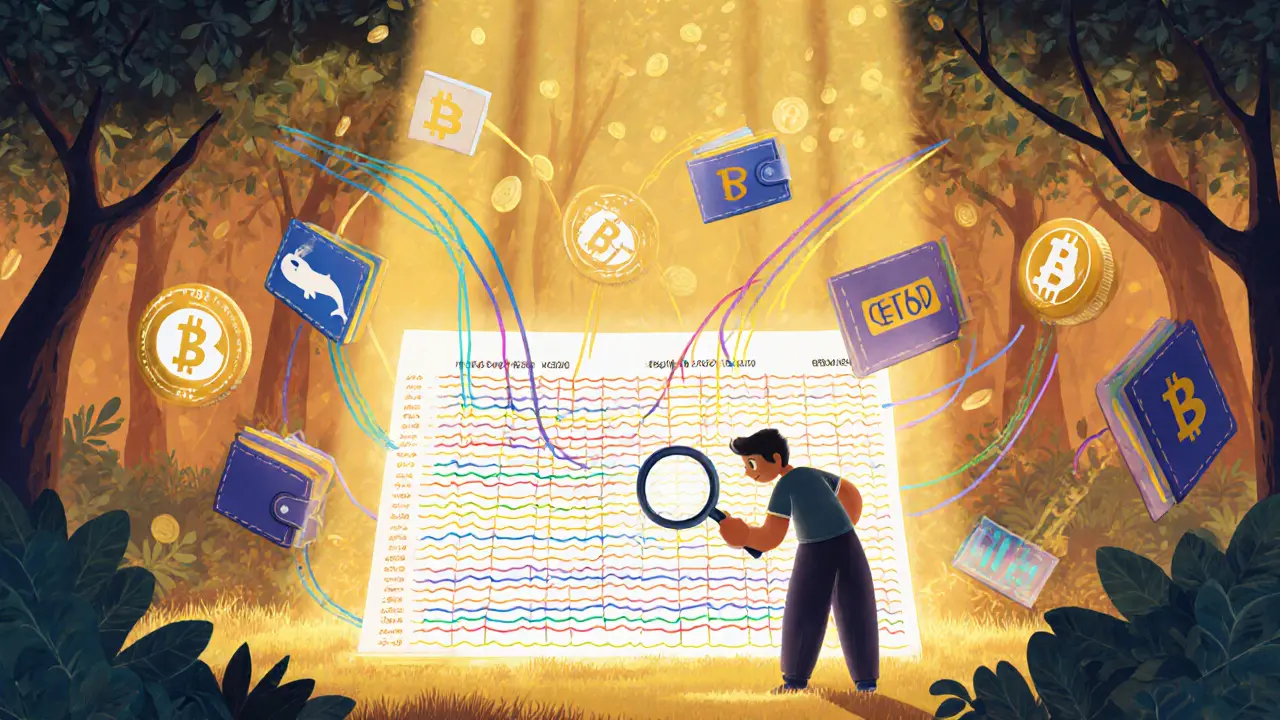
Learn how to mine on-chain data to track real crypto activity, spot whale movements, and avoid fake signals. Practical guide for investors using Glassnode, Nansen, and free tools.
view more