
When working with Nigeria SEC crypto licensing, the framework the Nigerian Securities and Exchange Commission uses to grant permission for crypto businesses to operate legally in Nigeria. Also known as SEC crypto licence Nigeria, it sets capital requirements, AML checks, and reporting duties for exchanges, custodians, and token issuers. The SEC expects applicants to prove solid governance, transparent token structures, and the ability to protect investors. This means a detailed prospectus, regular audit reports, and a compliance officer who can respond to regulator queries within set timeframes.
One of the most practical ways to test a new product is through a Regulatory sandbox, a controlled environment where fintech startups can trial innovative crypto services under SEC supervision before full licensing. Sandbox participants benefit from relaxed reporting thresholds while still meeting core AML/KYC standards. Success in the sandbox often paves the way for a full Crypto exchange licensing, the process exchanges follow to meet the SEC’s security and consumer‑protection standards, which includes proving liquidity, implementing robust order‑matching engines, and maintaining reserve ratios. Additionally, AML/KYC compliance, anti‑money‑laundering and know‑your‑customer rules required for any licence holder is non‑negotiable. The SEC mandates ongoing monitoring of transaction patterns, real‑time identity verification, and swift reporting of suspicious activity to the Financial Intelligence Unit. Failure to meet these obligations can lead to fines, licence suspension, or criminal prosecution.
Understanding Nigeria SEC crypto licensing helps you decide whether a project is legitimate before you invest or partner. Licensed platforms are required to publish transparent fee structures, disclose token issuance policies, and submit periodic financial statements to the SEC. For developers, aligning with licensing rules early reduces the risk of costly redesigns and legal setbacks once the product scales. If you’re eyeing a launch in Nigeria, start by mapping your tokenomics to the SEC’s security criteria, draft a detailed compliance manual, and consider applying for sandbox entry to validate your tech stack. Meanwhile, keep an eye on the SEC’s quarterly bulletins – they regularly update capital thresholds, permissible token categories, and reporting timelines. Below you’ll find a curated set of articles that dive deeper into each of these aspects – from detailed sandbox guides and exchange licensing checklists to real‑world case studies of projects that secured their Nigeria SEC crypto licence. Explore the collection to arm yourself with actionable steps and avoid common pitfalls.
Posted by Minoru SUDA with 18 comment(s)
May
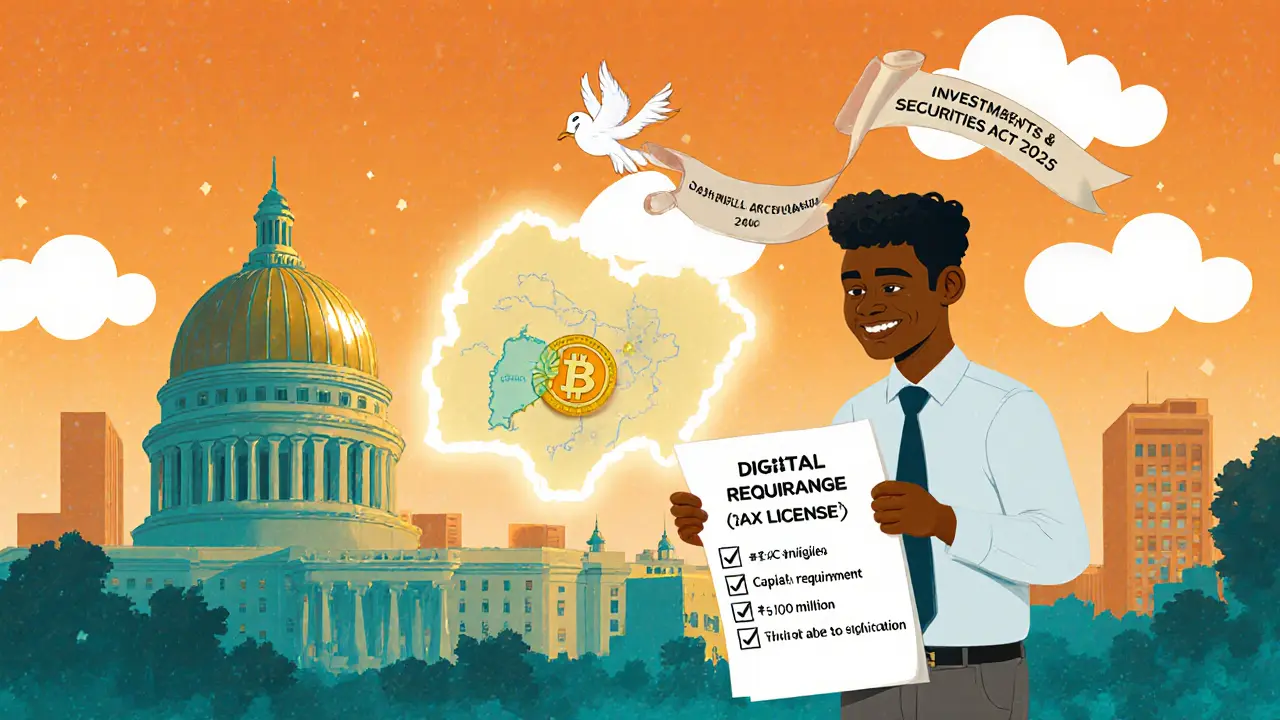
A step‑by‑step guide to obtaining a Nigerian SEC crypto exchange licence in 2025, covering capital, documentation, compliance, ARIP fast‑track and common pitfalls.
view more