
When Myanmar crypto ban, a government-imposed prohibition on cryptocurrency transactions enacted in April 2021. Also known as crypto trading restrictions in Myanmar, it was part of a broader crackdown on financial systems after the military takeover. The ban targeted exchanges, wallets, and peer-to-peer trading, claiming it threatened national security and financial stability. But unlike countries that fully shut down access, Myanmar’s ban never fully worked. People still trade crypto — just quietly, through informal networks and offshore platforms.
The ban didn’t stop demand. It just pushed it underground. Many locals turned to P2P trading, peer-to-peer cryptocurrency exchanges that connect buyers and sellers directly without a central platform. Also known as crypto OTC markets, these systems rely on WhatsApp, Telegram, and local money transfer apps like WavePay. Traders use cash deposits, mobile top-ups, or even gold to swap for Bitcoin or USDT. Meanwhile, crypto exchanges, online platforms where users buy, sell, or trade digital assets. Also known as crypto trading platforms, they remain blocked by the government, but users access them through VPNs and foreign accounts. This creates a risky environment: no legal recourse if you get scammed, no KYC to protect you, and no way to report fraud.
What’s worse, scammers know this. Fake airdrops, fake exchanges like YourToken or ExtStock, and fake token projects like Carmin or REAL have flooded the space. They prey on people desperate for income after the economic collapse. The Myanmar crypto ban didn’t stop crypto — it made it more dangerous. You won’t find official guidance, regulated platforms, or legal protection. What you will find are stories of people risking everything to hold onto digital assets they believe in — and others losing everything to fraudsters who promise quick riches.
Below, you’ll find real breakdowns of crypto projects that turned out to be ghosts, exchanges that vanished overnight, and airdrops that never existed. These aren’t just warnings — they’re lessons from people who lived through the same chaos. Whether you’re in Myanmar or just watching from afar, understanding how bans like this play out helps you spot the next one before it hits.
Posted by Minoru SUDA with 15 comment(s)
Oct
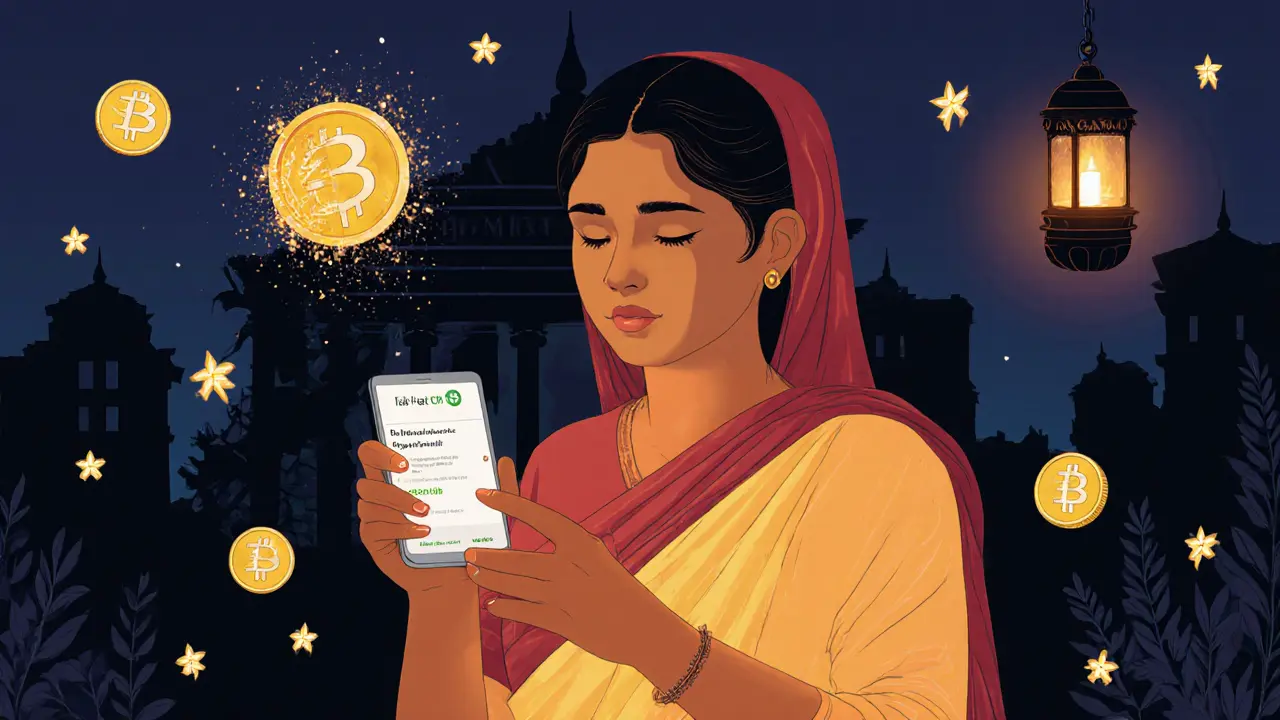
Myanmar's 2020 crypto ban under Central Bank Directive 9/2020 made digital currencies illegal, but the collapse of the kyat and military rule pushed citizens to use USDT anyway - creating a thriving underground economy that the government can't stop.
view more