
When people talk about micro-cap cryptocurrency, a crypto asset with a market value under $50 million, often trading on obscure exchanges with little liquidity. Also known as small-cap crypto, it's the wild west of digital assets—where fortunes are made in days and wiped out in hours. These aren't the big names like Bitcoin or Ethereum. They're the coins no one’s heard of, launched by anonymous teams, listed on exchanges you can’t find on Google, and promoted by Telegram groups full of bots. Most never survive six months. But some? They go from pennies to thousands of percent gains. That’s the lure.
Behind every micro-cap cryptocurrency, a crypto asset with a market value under $50 million, often trading on obscure exchanges with little liquidity. Also known as small-cap crypto, it's the wild west of digital assets—where fortunes are made in days and wiped out in hours. is a story. Sometimes it’s a meme coin like BALLTZE, a Solana-based meme token created as a tribute to the Cheems dog, which crashed 98% within weeks and now has zero trading volume. Other times, it’s a project like Carmin (CARMIN), a token with zero circulating supply and no real trading activity, existing only as a ghost coin with a price tag. And then there are the outright scams—exchanges like BitxEX, a high-risk platform with no regulation, fake traffic, and widespread withdrawal issues, or fake airdrops like the ones pretending to give away DMC, a token claimed by DMEX Global but never officially launched. These aren’t edge cases. They’re the norm.
What separates the real from the rubbish? It’s not the hype. It’s not the Discord server. It’s transparency—does the team have a track record? Is there actual code on GitHub? Are there real users, not just bots? The best micro-cap projects have a clear purpose, even if small: a niche DeFi tool, a Solana-based game, or a token tied to real-world utility like e-Money (NGM), an interest-bearing stablecoin backed by euros that shut down after regulatory pressure. But even those can fail. That’s the risk.
You’ll find all of this in the posts below—real stories of coins that rose, crashed, vanished, or got shut down. No fluff. No promises. Just what happened, why it happened, and what you can learn from it. If you’re thinking about jumping into a micro-cap coin, read these first. You’ll either save your money—or at least know exactly what you’re betting on.
Posted by Minoru SUDA with 25 comment(s)
Nov
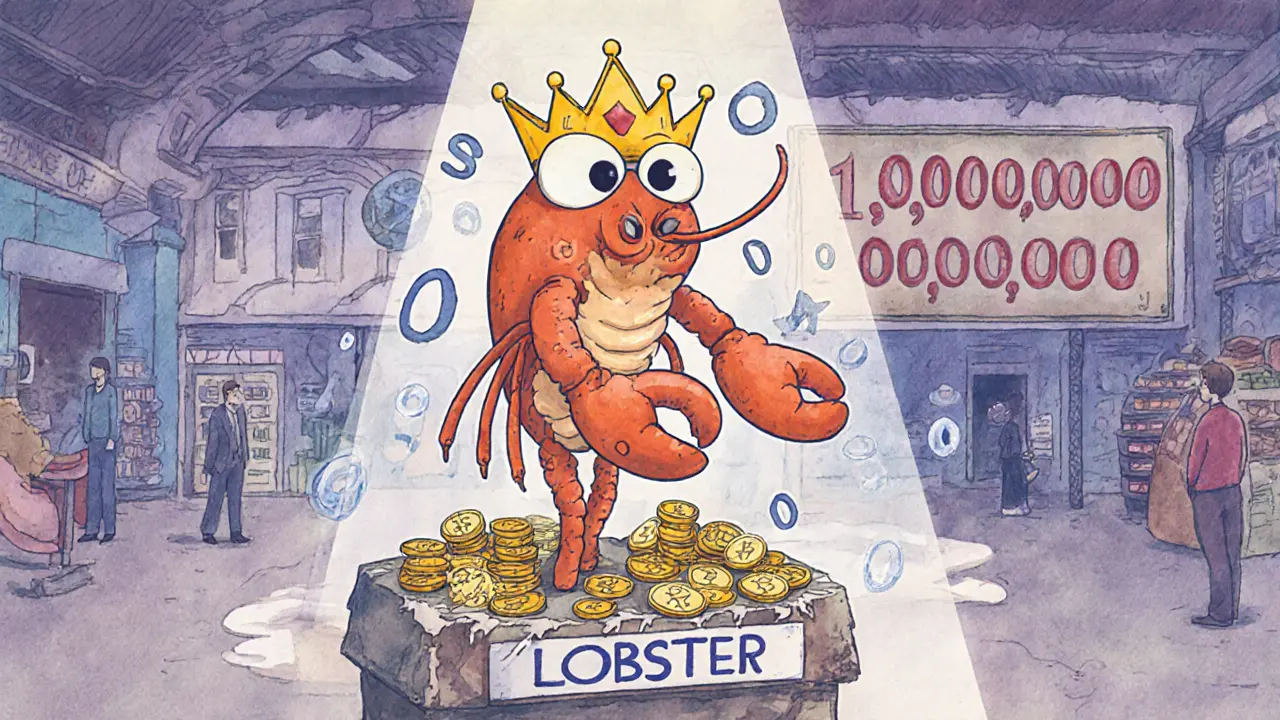
Lobster (LOBSTER) is a low-value meme coin with a quadrillion-token supply, zero liquidity, and no team. It's not a real investment-it's a dead project with a fake price. Don't waste your money.
view more