
When you trade crypto on Solana, you’re probably using something like Meteora exchange, a fast, low-cost decentralized exchange built specifically for the Solana blockchain. Also known as Meteora DEX, it lets you swap tokens without a middleman—no KYC, no waiting, no high gas fees. Unlike centralized platforms like Coinbase or Binance, Meteora runs entirely on-chain, giving you full control over your funds while keeping trades near-instant.
Meteora exchange isn’t just another DEX. It’s one of the most used platforms on Solana because it solves real problems: slow swaps and high slippage. It uses advanced liquidity pools and dynamic pricing to keep trades smooth, even for small-cap tokens. Traders rely on it because it integrates directly with Solana wallets like Phantom and Solflare, and it supports everything from SOL and USDC to obscure memecoins. It also offers features like limit orders and automated liquidity provision—tools usually found only on centralized exchanges. This makes it a hybrid: decentralized in structure, but polished in experience.
What makes Meteora stand out is how it connects with other parts of the Solana ecosystem. You’ll often see it linked to projects like Serum, a decentralized order book protocol that powers some of Meteora’s trading features. It also competes with other Solana DEXs like Raydium, a liquidity provider that uses automated market makers and integrates with Serum. But Meteora’s interface is cleaner, its fees lower, and its user base growing faster. If you’re trading on Solana in 2025, you’re likely using one of these three—but Meteora is the one most beginners and pros turn to first.
Still, it’s not perfect. Like all DEXs, you’re responsible for your own security. One wrong click, one fake token, and your funds can vanish. There’s no customer support team to call if something goes wrong. That’s why you’ll find so many posts here warning about fake Meteora clones, phishing sites, and scams pretending to be official. Always check the URL: the real Meteora exchange is at meteora.ag. Never trust a link sent in a Discord DM or Twitter direct message.
Behind every trade on Meteora is a deeper story—about liquidity, tokenomics, and how decentralized finance keeps growing on Solana. You’ll find posts here about tokens that launched on Meteora and crashed within days, others about users who made big gains by spotting early liquidity pools, and even guides on how to add your own token to its ecosystem. Some people use it to trade, others to earn yield, and a few just to test new projects before they hit bigger exchanges.
What you’ll find below isn’t just a list of articles. It’s a real-world look at how Meteora exchange fits into the messy, fast-moving world of crypto. From scams that mimic its name to the hidden mechanics that make it work, these posts cut through the noise. Whether you’re trying to avoid a fake platform, understand how DEXs differ from centralized ones, or just want to know if Meteora is right for your next trade—this collection gives you the facts, not the hype.
Posted by Minoru SUDA with 19 comment(s)
Nov
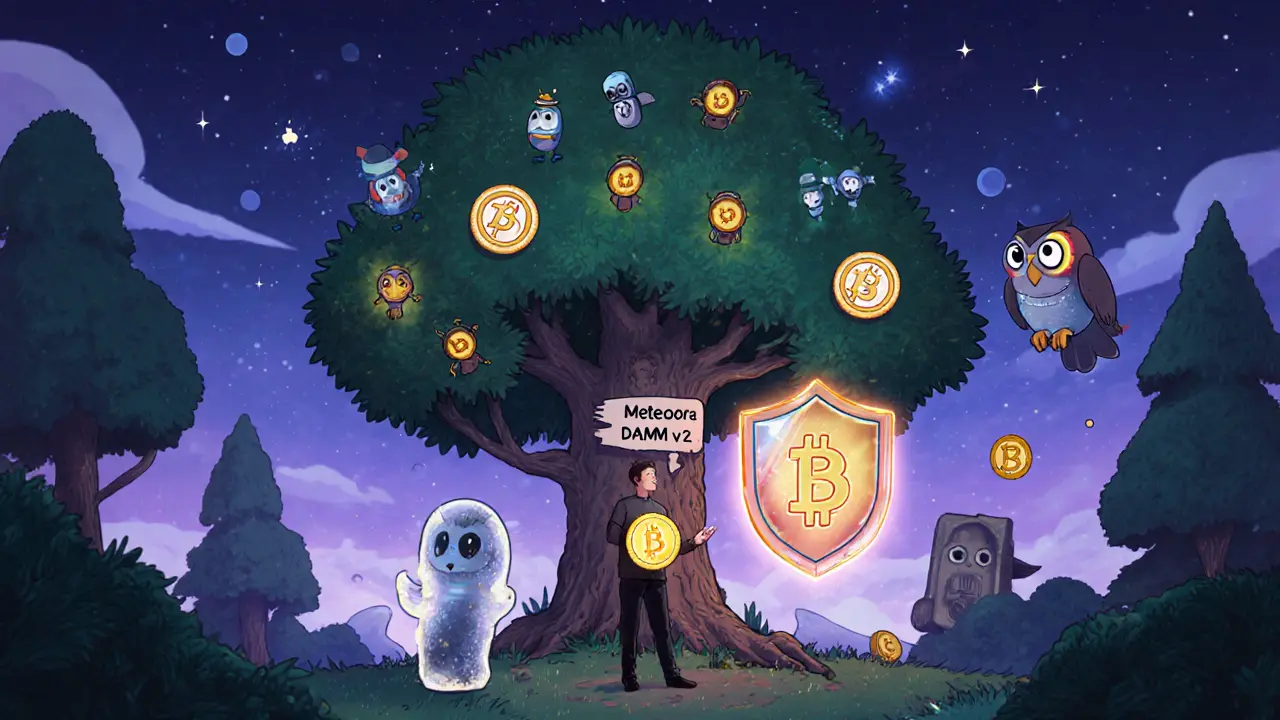
Meteora DAMM is a Solana-based DEX built for token creators and liquidity providers. With anti-sniper tech, dynamic fees, and low costs, it's the best choice for launching memecoins-though not ideal for casual traders.
view more