
When dealing with KYC violations, instances where firms fail to properly verify a customer's identity under Know‑Your‑Customer rules, businesses risk fines, account closures, and damage to reputation. Also known as customer due‑diligence lapses, these breaches affect crypto exchanges, traditional banks, and any platform that handles money.
KYC violations don’t happen in a vacuum. They are tightly linked to Anti‑Money‑Laundering (AML), the broader set of policies that aim to stop illicit funds from entering the financial system. In practice, a weak AML program often leads to a KYC breach, because the two processes share the same customer data checks. Another player in this space is the regulatory sandbox, a controlled environment where fintech firms can test new services under relaxed rules. Sandbox programs can surface KYC weaknesses early, letting innovators fix gaps before full launch. Finally, bank account freezing, the act of a financial institution locking an account due to suspected illegal activity often follows a detected KYC violation, especially when AML alerts flag suspicious patterns.
Crypto exchanges like those covered in our articles on Namibia banking restrictions or the SwitchBIT review must embed robust KYC checks to stay on the right side of regulators. When a breach occurs, regulators may invoke the GENIUS Act or local AML directives, leading to immediate account freezes and potential loss of market access. In the traditional banking world, a single KYC slip can trigger a cascade of compliance reviews, as seen in Namibia’s Virtual Assets Act enforcement. Both sectors share a common truth: effective KYC is the first line of defense against fraud, money laundering, and sanctions violations.
Understanding the anatomy of a KYC breach helps you spot red flags before they become costly. Look for incomplete ID documentation, mismatched personal data, or failure to run sanctions checks. Pair that with AML monitoring tools—transaction screening, pattern analysis, and ongoing customer reviews—to create a layered defense. If you’re building a new DeFi protocol, consider joining a regulatory sandbox early; the sandbox will force you to map out KYC flows, test them with real users, and receive feedback from supervisors.
Below you’ll find a curated set of articles that break down these topics in depth: from how Namibia’s crypto banking rules handle KYC, to what the GENIUS Act means for account freezing, to practical guides on navigating sandbox programs. Each piece offers actionable steps, real‑world examples, and clear takeaways so you can strengthen your compliance posture and avoid costly violations.
Posted by Minoru SUDA with 23 comment(s)
Oct
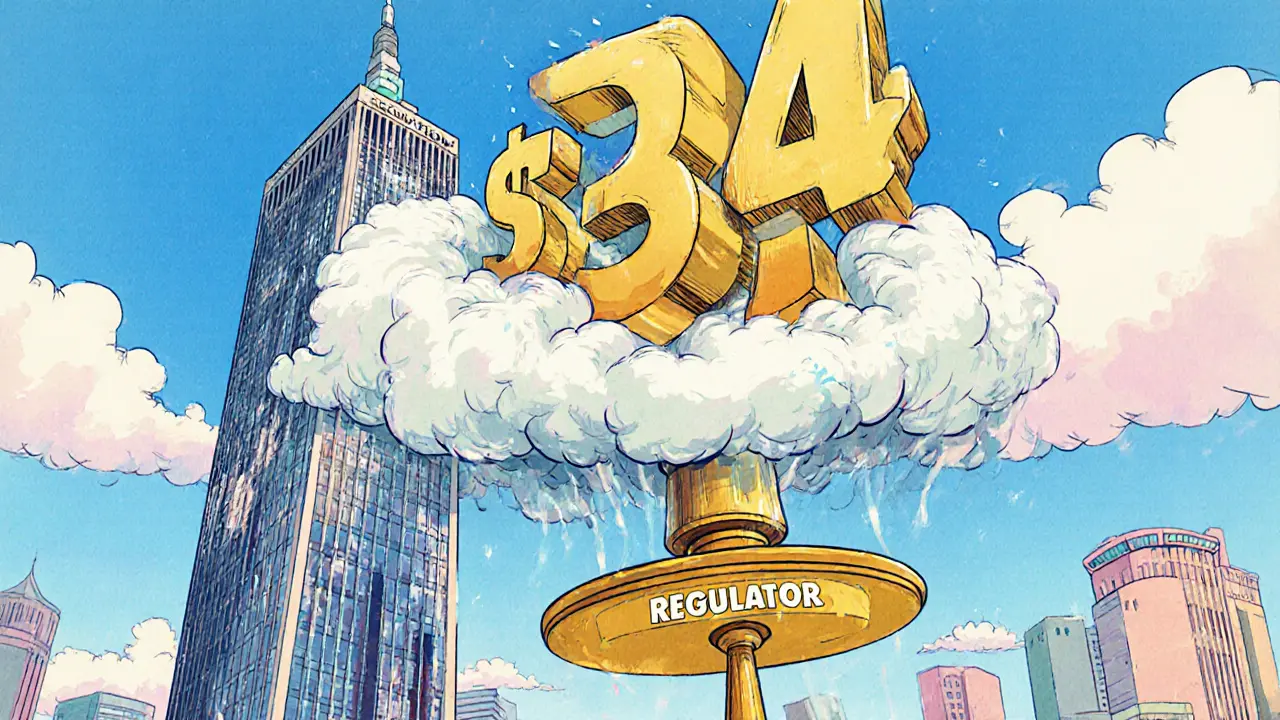
Upbit faces a potential $34billion fine for massive KYC failures, prompting a three‑month suspension and signaling tighter crypto regulation in South Korea.
view more