
When working with KYC compliance crypto, the set of identity‑verification steps that crypto platforms must follow to satisfy anti‑money‑laundering rules and local regulator demands. Also known as crypto KYC, it builds trust, unlocks higher transaction limits, and keeps platforms from becoming money‑laundering pipelines.
The backbone of any KYC regime is AML, anti‑money‑laundering policies that require monitoring, reporting, and preventing illicit fund flows. AML dictates the data you must collect (government ID, proof of address, source‑of‑funds) and the ongoing checks you perform after onboarding. Another vital piece is the crypto regulatory sandbox, a controlled environment where innovators can test KYC solutions with regulators watching but without full‑scale penalties. Sandboxes let startups experiment with automated ID verification, decentralized KYC on‑chain, and privacy‑preserving attestations while staying compliant. Crypto licensing, official authorizations granted by financial authorities that often require proven KYC/AML systems before a service can launch ties everything together; without a licence, even a perfect KYC process can’t be marketed legally. Finally, many users face bank account freezing, the action banks take when they detect crypto‑related activity that breaches AML or sanctions rules. Understanding why freezes happen—usually a lack of proper KYC documentation—helps platforms design better compliance workflows and protect their customers.
All these pieces interact: KYC compliance crypto requires accurate AML data, benefits from sandbox experimentation, must satisfy licensing criteria, and can prevent costly bank freezes. Below you’ll find a curated set of articles that break down real‑world airdrop rules, exchange reviews, regional crypto bans, and step‑by‑step licensing guides—all tied back to the core compliance framework discussed here. Dive in to see how each topic plugs into the bigger compliance puzzle and get actionable tips you can apply right away.
Posted by Minoru SUDA with 17 comment(s)
Dec
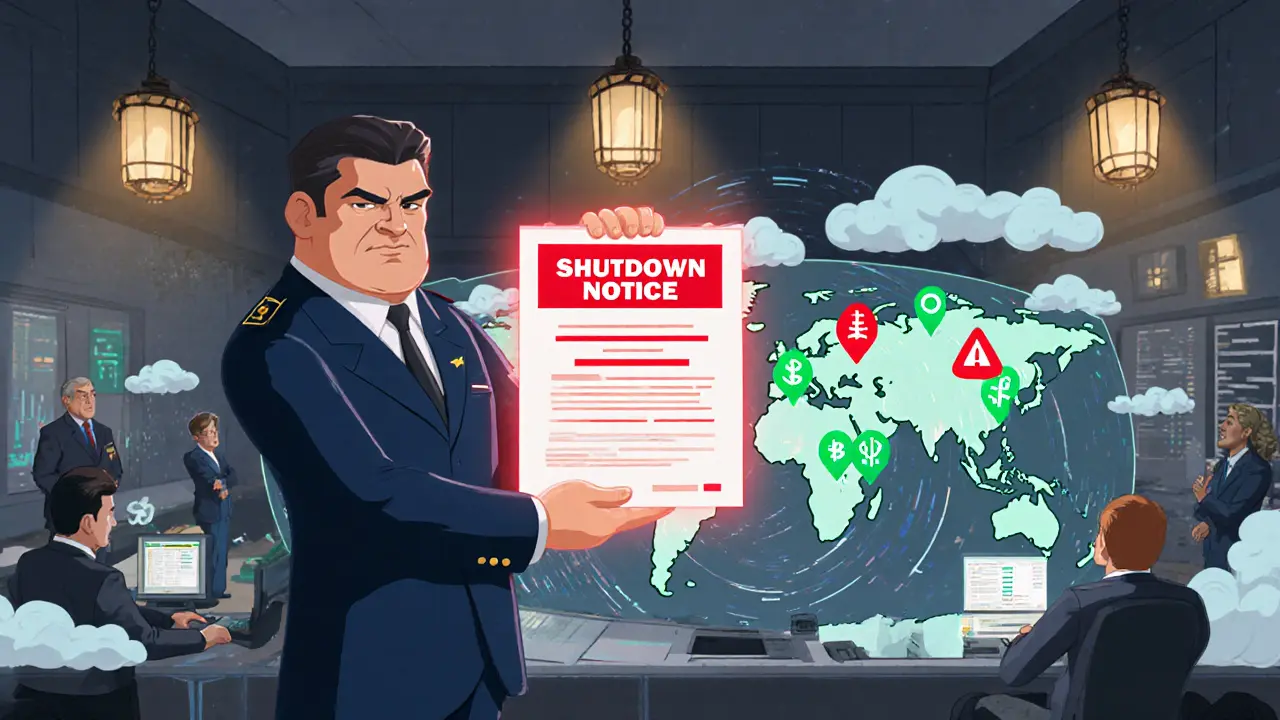
A detailed look at why authorities are shutting down no‑KYC crypto exchanges in 2025, covering global enforcement actions, compliance stats, user risks, and how to choose a safe platform.
view more