
When navigating Korean crypto exchange, a platform that lets South Korean users trade digital assets like Bitcoin and Ethereum against the local won (KRW). Also known as Korean digital asset exchange, it operates under strict local financial laws and often links directly to Korean banks for fiat deposits. These platforms are a type of cryptocurrency exchange, online service where users buy, sell, or swap cryptocurrencies. In South Korea, the exchange model also includes mandatory identity verification and real‑name account binding, which makes the user experience feel more like a traditional bank than a wild west marketplace.
Regulation is the backbone of any Korean crypto exchange. The South Korean financial regulator, primarily the Financial Services Commission (FSC) and the Financial Intelligence Unit (FIU), enforces rules around anti‑money‑laundering (AML), know‑your‑customer (KYC), and capital requirements. Because of these rules, exchanges must obtain a virtual asset service provider (VASP) license, keep detailed transaction logs, and report suspicious activity within 24 hours. This regulatory pressure means that Korean platforms usually have clearer compliance frameworks than many offshore services, which can be a relief for users worried about legal risk.
Fee structures vary, but most Korean crypto exchanges follow a tiered model based on 24‑hour trading volume. The exchange fee structure, a combination of maker and taker fees that can drop from 0.15% to below 0.05% for high‑volume traders, also often includes discounts for using the exchange’s native token or for paying fees in KRW. Some platforms add a small deposit/withdrawal charge for fiat movements, while crypto‑only transfers are usually free or covered by the network fee. Understanding these nuances helps you compare offers and avoid surprise costs when moving large sums.
Security isn’t an afterthought; it’s a core selling point. Most Korean exchanges implement multi‑factor authentication, cold‑storage wallets for the bulk of user funds, and regular third‑party security audits. In addition, they employ real‑time monitoring systems that flag abnormal login attempts or oversized withdrawals. These security protocols, layers of protection like hardware security modules, encryption, and insurance coverage for digital assets, build trust among traders who might otherwise hesitate to deposit large amounts. Knowing how each exchange safeguards your assets can be the difference between a smooth trading experience and a costly breach.
All that said, the landscape is constantly shifting as new regulations roll out and platforms upgrade their tech. Below you’ll find a curated set of articles that dive deep into specific Korean crypto exchanges, break down their fee tables, assess their security postures, and explain how the latest FSC guidelines affect everyday trading. Whether you’re just starting out or looking to optimize an existing portfolio, these resources give you the practical insight you need to make informed decisions on a Korean crypto exchange today.
Posted by Minoru SUDA with 23 comment(s)
Oct
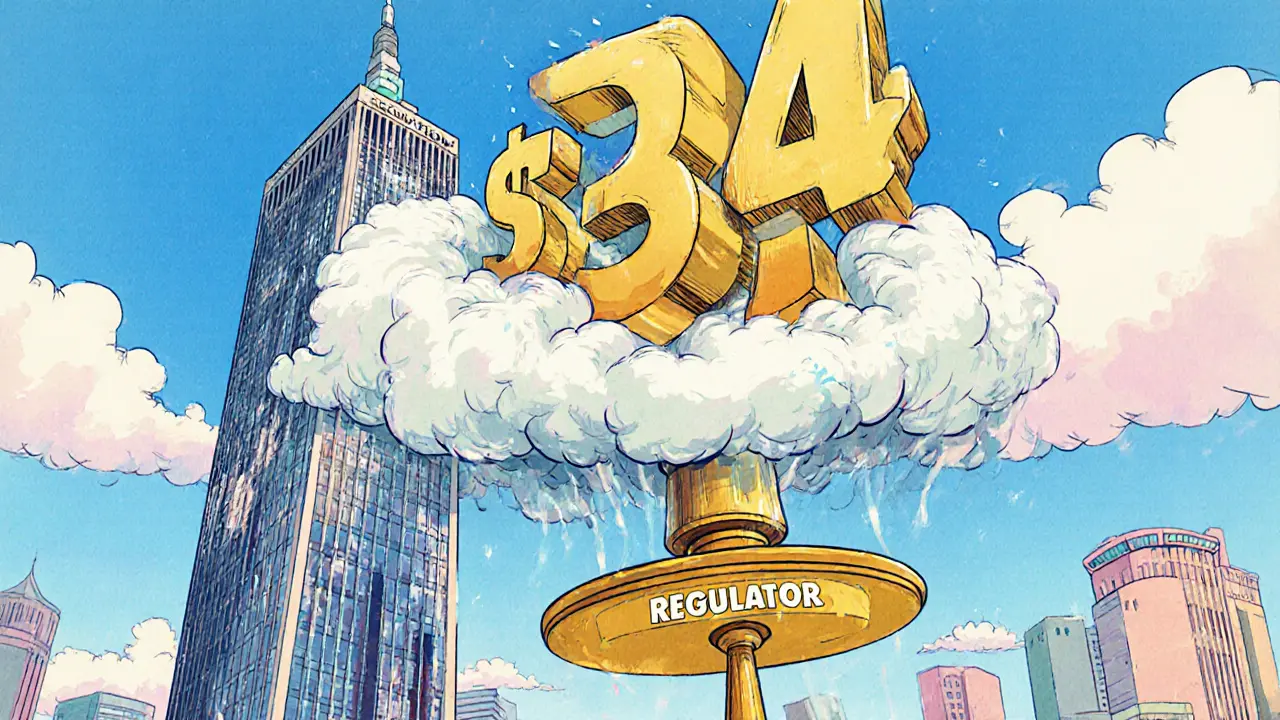
Upbit faces a potential $34billion fine for massive KYC failures, prompting a three‑month suspension and signaling tighter crypto regulation in South Korea.
view more