
When you hear about the HAI token scam, a deceptive crypto project pretending to be a legitimate token with utility or backing. Also known as fake meme coin, it’s one of dozens of projects that vanish overnight after sucking in cash from unsuspecting buyers. These aren’t bugs or glitches—they’re designed traps. Scammers create a token with a flashy name, a fake website, and a Twitter account full of bots. They hype it with promises of 100x returns, then pull the plug as soon as enough people buy in. The token’s price crashes to zero, and the wallet holding the funds disappears. No one responds. No refunds. Just silence.
This isn’t new. The same pattern shows up in projects like Lobster (LOBSTER), a meme coin with zero liquidity and no team, or BALLTZE, a Solana-based token created as a tribute to a dead dog that crashed 98% in weeks. These aren’t investments—they’re digital ghosts. What makes the HAI token scam different is how it mimics real projects. It uses real-looking logos, borrowed whitepapers, and fake trading volume from wash trading bots. Some even copy the website design of legit exchanges to look trustworthy. But if there’s no audit, no team bio, and no real community on Discord or Telegram—walk away. Real projects don’t hide behind anonymity. They publish their code, list their team, and answer questions publicly.
And it’s not just about the token. Scammers often tie these fake coins to fake airdrops, fake exchanges like Wavelength, a non-existent platform that lures users with fake sign-up bonuses, or fake wallet integrations. They’ll ask you to connect your MetaMask, promise free tokens, then drain your wallet in seconds. You don’t need to be an expert to spot this. Check the contract address. Look at the holder count—real tokens have thousands. Fake ones have a handful of wallets controlled by the same person. Check if the token is listed on CoinMarketCap or CoinGecko. If it’s not, and someone’s pushing it on Reddit or TikTok, it’s a red flag. And if you see a project that says "1000x guaranteed" or "limited time only," that’s not urgency—it’s a trap.
There’s no magic trick to avoiding scams. Just common sense. Never send crypto to an unknown address. Never click links in DMs. Never trust a project that can’t show you who’s behind it. The HAI token scam isn’t the first, and it won’t be the last. But if you know what to look for, you won’t be the next victim. Below, you’ll find real reviews of crypto projects that failed, got shut down, or turned out to be outright frauds. Learn from their mistakes—before you lose your money.
Posted by Minoru SUDA with 15 comment(s)
Nov
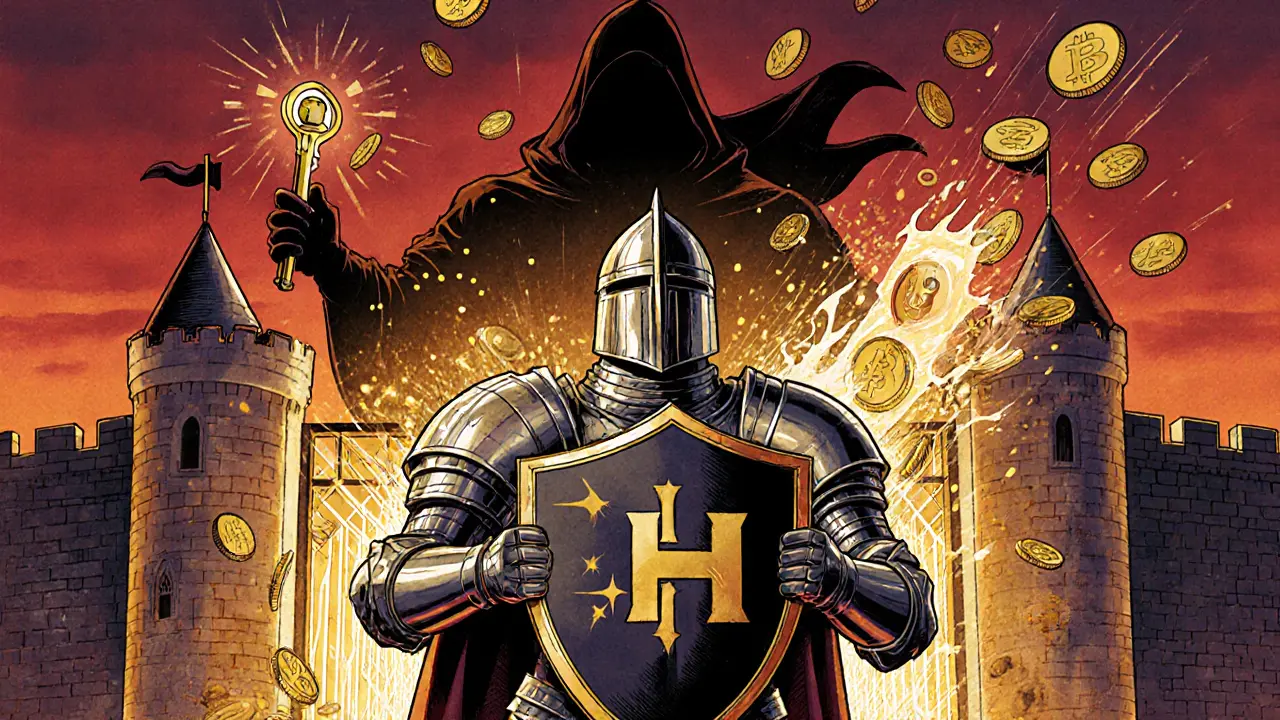
HAI token was hacked in 2025, causing a 99% price crash. There was no airdrop - any claims of free HAI are scams. Learn what really happened and how to avoid similar crypto traps.
view more