
When talking about G20 Crypto Regulation, the collective effort of the Group of Twenty nations to create rules for digital assets and blockchain activities. Also known as G20 digital asset policy, it aims to bring a unified approach to a market that’s usually fragmented. This effort encompasses cross‑border policy coordination, financial stability safeguards, and consumer protection frameworks. At the same time, the G20 pushes a global digital asset policy, a set of guidelines that member countries adopt to harmonize taxation, AML/KYC, and market reporting standards. Together, these two concepts set the stage for how crypto firms operate worldwide.
One of the biggest downstream effects is blockchain compliance, the process of aligning blockchain projects with legal and regulatory requirements like AML, KYC, and data privacy. When regulators tighten rules, compliance teams must adapt quickly, which in turn influences the design of smart contracts and token issuance models. Another pillar is international crypto standards, technical and procedural benchmarks that ensure interoperability and security across different blockchain networks. These standards are often shaped by bodies such as the ISO and the IEC, and they feed back into the G20’s policy discussions, creating a feedback loop that drives better market oversight.
Understanding G20 crypto regulation helps you anticipate shifts in licensing requirements, tax obligations, and cross‑border transaction rules before they hit the headlines. Whether you’re a developer building DeFi apps, an investor tracking token launches, or a trader monitoring exchange listings, the G20’s roadmap offers clues about where the market is headed. Below you’ll find a curated set of articles that break down the latest developments, from sandbox programs that let startups test new ideas safely to country‑specific case studies on crypto banking restrictions. Use these insights to stay ahead of compliance deadlines, spot emerging opportunities, and navigate the evolving global crypto landscape.
Posted by Minoru SUDA with 25 comment(s)
Apr
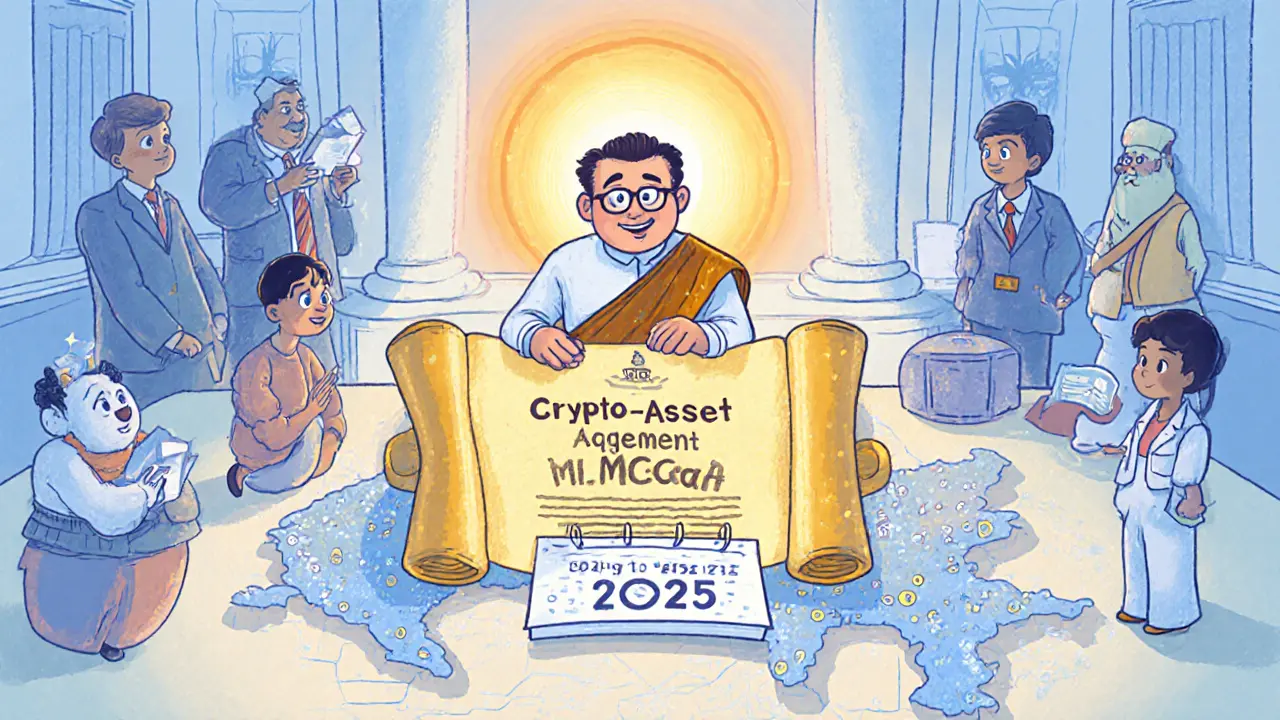
India will roll out the OECD Crypto-Asset Reporting Framework by April 2027, with legal foundations set in the 2025 Finance Bill. Learn the timeline, compliance steps, and impact on traders and exchanges.
view more