
When working with DePIN, a model that combines blockchain token incentives with real‑world infrastructure like wireless towers, sensors, or storage facilities. Also known as Decentralized Physical Infrastructure Network, it lets anyone fund, own, and profit from physical assets while the network stays open and permissionless.
At its heart, DePIN leans on IoT, connected devices that gather and transmit data across physical spaces. Those devices need fast, local processing, which is where Edge computing, the practice of handling data near its source rather than in a distant cloud comes in. To keep providers motivated, DePIN uses Token economics, a system where native tokens reward infrastructure owners and participants for quality service. Finally, the whole stack is often delivered as Infrastructure‑as‑a‑Service (IaaS), a cloud‑like offering that abstracts hardware management for developers and users. In short, DePIN unites real‑world assets, blockchain incentives, and modern computing to create open, scalable networks.
First, the physical layer: owners deploy sensors, routers, solar chargers, or even satellite dishes. Their contribution is recorded on‑chain, so anyone can verify the asset’s location and status. Second, the incentive layer: smart contracts mint tokens whenever the hardware meets performance targets—think uptime, bandwidth, or data accuracy. Those tokens can be staked, traded, or used to vote on network upgrades. Third, the data layer: IoT streams flow through edge nodes, reducing latency and cutting bandwidth costs. Edge computing also enables privacy‑preserving analytics, because raw data never leaves the local node unless needed.
Because each component feeds the next, the system creates a virtuous cycle: better infrastructure earns more tokens, which attracts more capital, which funds additional hardware. This cycle mirrors the classic semantic triple “DePIN requires token incentives,” and “Token economics influences participant behavior.” It also matches “IoT devices are part of DePIN” and “Edge computing supports DePIN scalability.” The result is a self‑reinforcing network that can scale from rural connectivity projects to global sensor grids.
Real‑world examples are popping up fast. Some projects reward users for hosting Wi‑Fi hotspots in underserved areas, while others pay miners to run low‑power storage nodes in remote farms. Regulatory hurdles still exist, but many pilots show how token‑backed models can lower upfront costs and share revenue more fairly than traditional telecom or data‑center operators.
If you’re curious about how DePIN fits into the broader crypto landscape, you’ll notice it shares DNA with decentralized finance (DeFi) and decentralized autonomous organizations (DAOs). The same trustless smart contracts that handle lending can also enforce service‑level agreements for physical hardware. This cross‑over means developers can reuse existing tools—like Solidity contracts or Chainlink oracles—to build DePIN solutions without starting from scratch.
Below you’ll find a curated list of articles that dive deeper into each piece of the puzzle: token mechanics, edge‑node deployments, regulatory outlooks, and hands‑on reviews of DePIN‑enabled platforms. Whether you’re an investor, developer, or just a tech enthusiast, the collection offers practical insights you can act on right away.
Posted by Minoru SUDA with 18 comment(s)
Oct
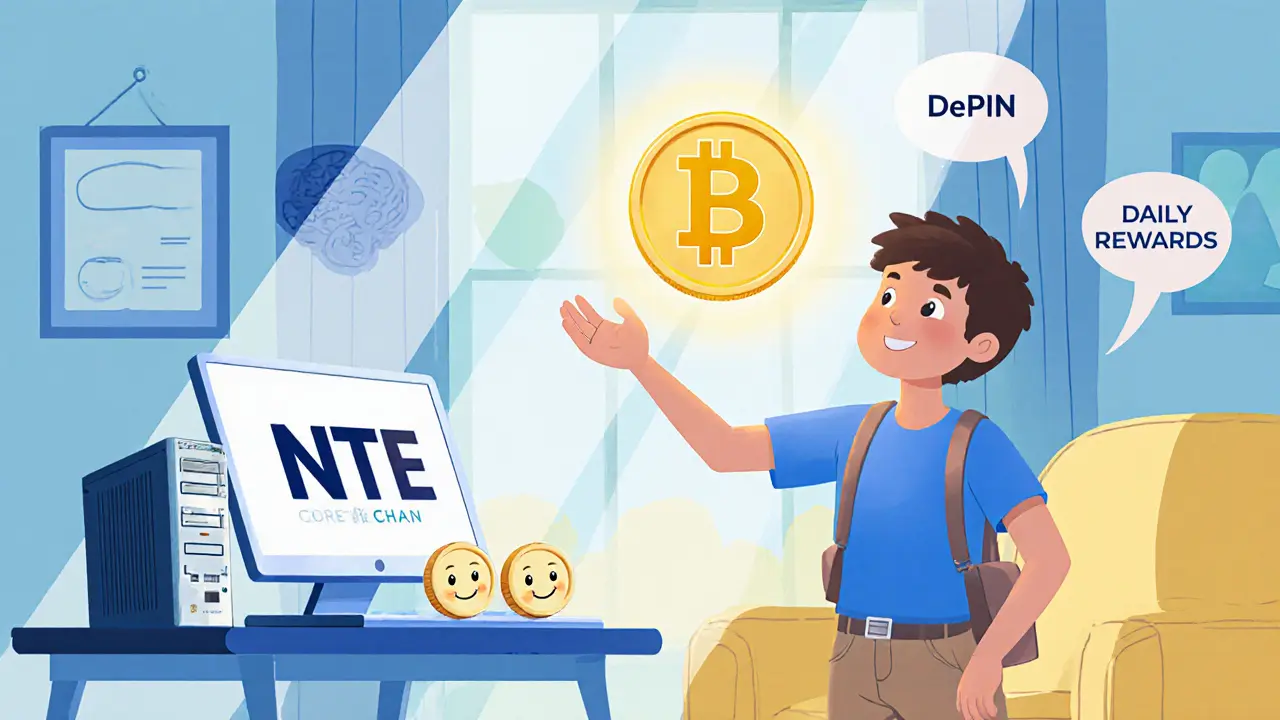
A concise guide to NODEMETA (NTE): its blockchain foundation, tokenomics, node rewards, market presence, and the risks you should consider before getting involved.
view more