
When navigating cryptocurrency regulation, the set of laws, guidelines, and supervisory actions that govern digital assets and related activities. Also known as crypto regulation, it shapes everything from token issuance to exchange operations, and it directly impacts investors, developers, and service providers.
The landscape of cryptocurrency regulation is anything but static. It encompasses licensing requirements, compliance monitoring, and market oversight, while also requiring robust risk management frameworks and transparent reporting. One powerful regulatory sandbox, a controlled environment where fintech innovators can test new products under relaxed rules sandbox program illustrates how regulators balance innovation with consumer protection. Countries like Namibia, Nigeria, and Vietnam have rolled out sandbox initiatives that let startups experiment with tokenized securities, cross‑chain bridges, or AI‑driven trading bots before full‑scale launch, ensuring that emerging tech meets safety standards without stifling growth.
Another hot topic is bank account freezing, the practice where financial institutions lock accounts linked to crypto activity to mitigate legal or reputational risk. In the U.S., the GENIUS Act and FDIC guidance have prompted banks to tighten AML/KYT monitoring, leading to a surge in account freezes for customers who trade on unregistered platforms. Meanwhile, crypto licensing, the formal authorization granted by national financial authorities to operate a crypto‑related business digital asset licence has become a gate‑keeper in markets like Norway, where mining farms must register data centers, and in Nigeria, where the SEC demands capital buffers and audited compliance programs. These licensing regimes often dictate capital requirements, anti‑money‑laundering (AML) procedures, and consumer disclosure standards, forcing exchanges and custodians to align their tech stacks with regulator‑approved KYC workflows.
Across the board, regulators are also focusing on market integrity tools such as transaction monitoring, whistleblower protections, and penalties for market manipulation. For instance, the recent crackdown on wash‑trading and spoofing in South Korea showcases how authorities deploy real‑time analytics to flag suspicious order book activity. At the same time, sandbox programs in the EU are experimenting with sandbox‑enabled stablecoin pilots that could redefine cross‑border payments if they meet prudential standards. All these threads—licensing, sandbox testing, account security, and enforcement—intersect to form a cohesive ecosystem that aims to protect users while still allowing the crypto industry to innovate.
Below you’ll find a curated collection of articles that dive deeper into each of these areas. From Namibia’s banking restrictions to Vietnam’s new digital asset law, from Nigeria’s SEC licensing checklist to Norway’s mining data‑center rules, the posts break down complex policies into actionable steps. Whether you’re a trader eyeing compliance, a developer building on a sandbox, or an investor worried about frozen accounts, the guides below give you the practical insight you need to stay ahead of the regulatory curve.
Posted by Minoru SUDA with 23 comment(s)
Oct
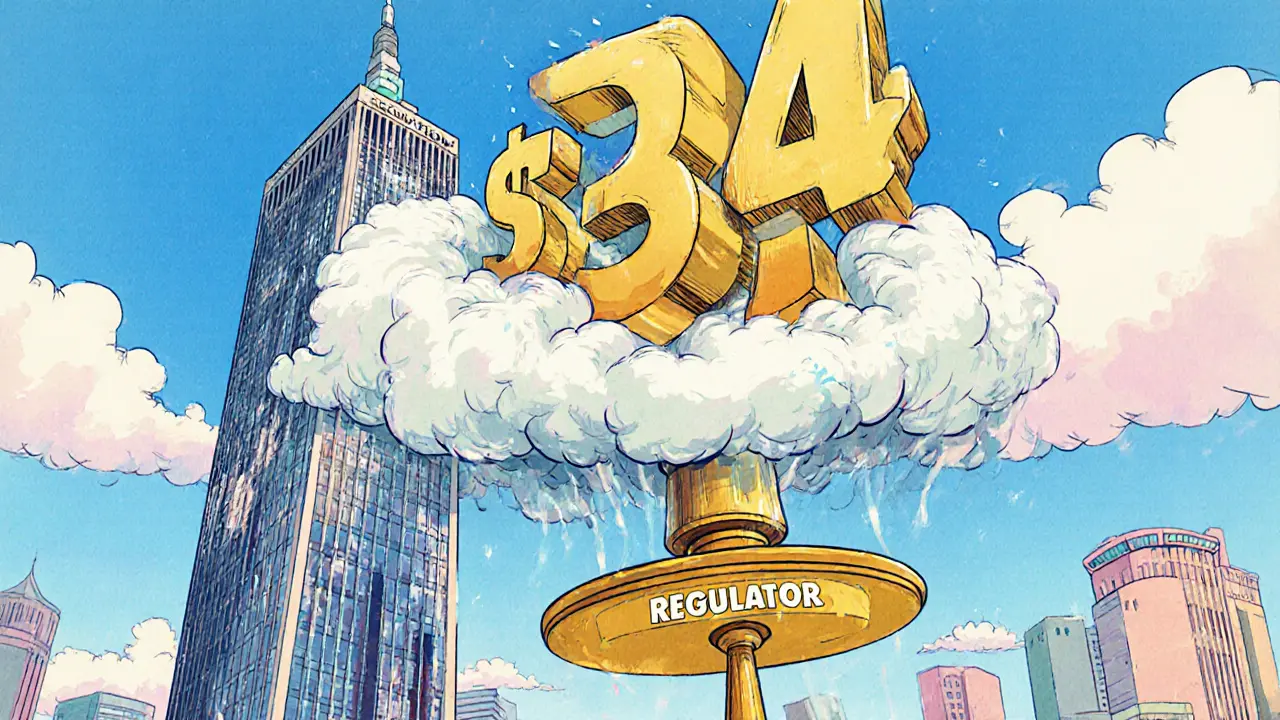
Upbit faces a potential $34billion fine for massive KYC failures, prompting a three‑month suspension and signaling tighter crypto regulation in South Korea.
view more