
When working with cryptocurrency exchange, an online venue where users can buy, sell, and trade digital assets. Also known as crypto exchange, it connects wallets, order books, and liquidity pools to enable price discovery. A decentralized exchange, a peer‑to‑peer platform that operates without a central authority offers users full custody of funds, while a crypto airdrop, free token distribution that often launches on an exchange can boost liquidity and attract new traders. Finally, many innovators test new models inside a regulatory sandbox, a controlled environment where regulators allow limited‑scope experiments before a full market rollout.
At its core, a cryptocurrency exchange facilitates market access for anyone with an internet connection. The platform must balance speed, low fees, and robust security—key attributes that separate a reliable exchange from a risky one. Compliance teams watch for AML alerts, while engineers optimize matching engines to keep latency under a second. In short, a functional exchange demands both technical rigor and regulatory awareness.
One major distinction is between centralized exchanges (CEX) and decentralized exchanges. Centralized platforms hold user funds and manage order books, offering sleek interfaces and high liquidity. In contrast, decentralized exchanges let users trade directly from their wallets, reducing custodial risk but often charging higher gas fees. Understanding this trade‑off helps you choose the right venue for your strategy.
Airdrops have become a common marketing tool for new projects. By distributing free tokens through an exchange, a project can quickly grow its user base and generate trading volume. However, airdrops also bring pitfalls—spam wallets, eligibility hoops, and potential tax implications. Knowing how exchanges handle airdrop claims can save you time and money.
Regulatory sandboxes are reshaping how exchanges innovate. In jurisdictions like the EU and Singapore, sandbox programs let firms test novel features—such as on‑chain settlement or real‑time KYC—under relaxed rules. Successful pilots often graduate into fully licensed services, giving early adopters a competitive edge.
Beyond spot trading, many exchanges now offer crypto derivatives like futures and perpetual swaps. These products let traders leverage positions and hedge exposure, but they also introduce liquidation risk and require careful margin management. A solid grasp of derivative mechanics is essential before diving in.
Security remains the top priority. From cold‑storage vaults to multi‑signature guardians, exchanges employ layers of protection. Look for platforms that publish audit reports, bug bounty programs, and insurance coverage. Regular security drills and transparent incident handling are good signs of a trustworthy service.
Fee structures vary widely—some exchanges charge a flat rate per trade, while others apply tiered fees based on volume or token holdings. Zero‑gas models, like those offered by certain decentralized protocols, can dramatically lower costs for active traders. Comparing fee schedules helps you keep more of your profit.
Whether you’re hunting the next airdrop, building a DeFi app, or simply swapping tokens for lunch, the landscape of cryptocurrency exchanges is rich with options. Below you’ll find curated articles that dive deeper into specific platforms, airdrop strategies, regulatory insights, and more—giving you the knowledge to trade smarter and stay ahead of the curve.
Posted by Minoru SUDA with 21 comment(s)
May
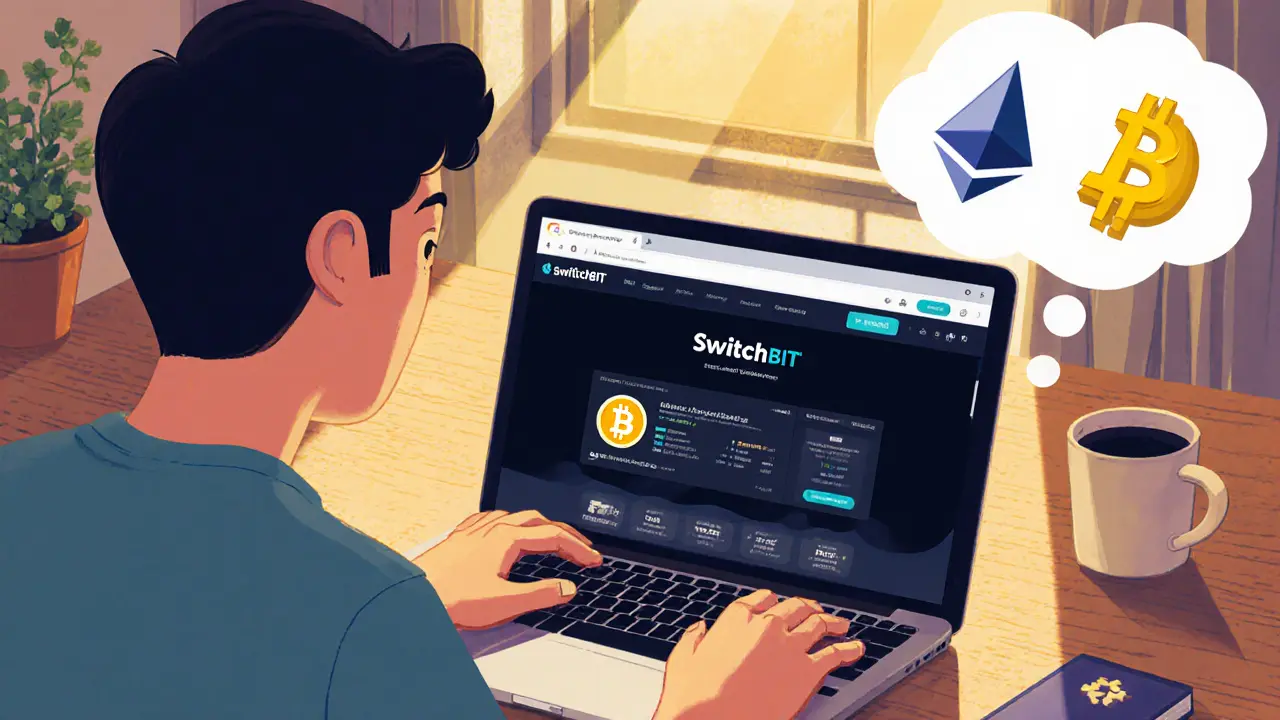
A detailed review of SwitchBIT crypto exchange covering fees, security, assets, regulatory status, user experience, and a side‑by‑side comparison with major platforms.
view more