
When talking about Crypto Regulation, the set of laws, guidelines and supervisory actions that govern how digital assets are created, traded, and used. Also known as digital asset regulation, it shapes everything from airdrop compliance to how banks treat crypto‑related accounts.
One major piece of the puzzle is the Regulatory Sandbox, a controlled environment where startups can test blockchain solutions under relaxed rules while regulators watch. Sandboxes let innovators experiment with tokenized securities, DeFi protocols, or NFT marketplaces without jumping straight into full‑blown compliance. Another core element is Crypto Licensing, the official permission a platform must obtain to operate legally in a given jurisdiction. Licensing often requires capital reserves, AML/KYC procedures, and regular audits, and it determines whether an exchange can list new tokens or offer derivatives.
Beyond sandboxes and licenses, regulators are tackling practical issues that hit everyday users. Bank Account Freezing, the practice of banks locking accounts tied to crypto transactions under anti‑money‑laundering rules has become a hot topic in 2025, especially after the GENIUS Act pushed tighter monitoring. Meanwhile, countries like Norway are introducing Mining Restrictions, requirements for data‑center registration and temporary bans on high‑energy mining operations to curb environmental impact. These measures don’t just affect large firms; individual traders and miners need to know the compliance steps to avoid penalties.
All these strands—sandboxes, licensing, bank freezes, mining rules—connect back to the central goal of crypto regulation: creating a safe, transparent market while still allowing innovation. When a new token launches, it may need to pass a sandbox test before a regulator grants a license. Once licensed, the platform must implement AML checks to prevent account freezes. If the token relies on proof‑of‑work, mining operations must respect local energy policies. Understanding how each piece fits together helps you assess risk, choose compliant services, and stay ahead of policy shifts.
Below you’ll find a curated collection of articles that break down these topics in detail. From deep dives into Namibia’s banking rules to step‑by‑step guides on obtaining a Nigerian SEC exchange licence, the posts give actionable insight into the ever‑changing world of crypto regulation. Dive in to see how the rules shape the projects you follow and the strategies you can apply today.
Posted by Minoru SUDA with 16 comment(s)
Feb

Global crypto regulation is finally converging, with MiCA, the U.S., Hong Kong, and Singapore aligning on stablecoin rules, custody standards, and licensing. This shift is driving institutional investment, reducing fraud, and reshaping the market - but leaving small players behind.
view moreJan

The 2025 CLARITY and GENIUS Acts brought the first clear U.S. crypto regulations. Exchanges must register with the CFTC, stablecoins now have strict reserve rules, and institutional investors are finally stepping in. But the Senate still hasn't passed the key bill.
view morePosted by Minoru SUDA with 21 comment(s)
Nov
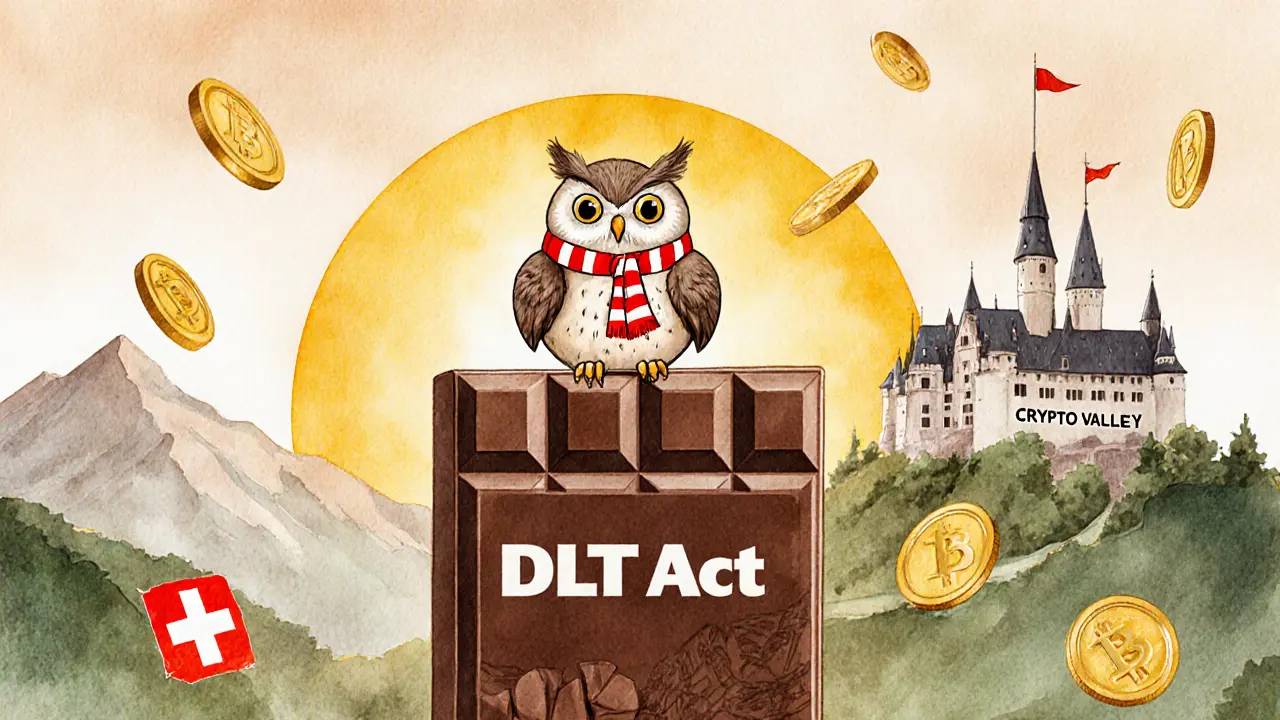
Discover the best countries for crypto trading in 2025 where zero taxes, legal clarity, and strong infrastructure make trading safer and more profitable. Switzerland, UAE, Singapore, and Portugal lead the pack.
view morePosted by Minoru SUDA with 15 comment(s)
Mar

Learn how cryptocurrency market cap manipulation works, the tactics behind pump‑and‑dump, wash trading, spoofing, oracle attacks, and what regulators and investors can do to stay safe.
view more