
When a government enforces a crypto mining moratorium, a temporary or permanent ban on cryptocurrency mining activities within its borders. Also known as a mining ban, it typically targets energy-intensive proof-of-work blockchains like Bitcoin and Ethereum Classic. These bans aren’t about stopping crypto itself—they’re about controlling electricity use, reducing carbon emissions, or protecting national power grids. This isn’t just a policy tweak; it’s a seismic shift that reshapes where mining happens, who profits, and how decentralized networks survive.
Why do countries do this? Take Kazakhstan in 2022, where a sudden surge in Bitcoin mining drained the national grid during winter, forcing rolling blackouts. Or China’s 2021 crackdown, which shut down 70% of global Bitcoin mining overnight—not because they hated crypto, but because mining consumed more electricity than the entire country of Spain. These aren’t outliers. They’re signals. A mining regulation, the legal framework that controls or restricts cryptocurrency mining operations is now a key part of national energy policy in over 15 countries. And when a crypto energy policy, a government strategy that links electricity allocation to digital asset activities shifts, miners get kicked out, hardware gets abandoned, and hash rates drop overnight.
What does this mean for you? If you’re mining at home, you might need to pack up and move. If you’re holding crypto, you might see price swings when a major country announces a moratorium. And if you’re just curious about blockchain, you need to understand that mining isn’t just technical—it’s political. The most resilient blockchains aren’t the ones with the most powerful rigs; they’re the ones that adapt to regulation, find new energy sources, or switch to proof-of-stake. The crypto mining moratorium isn’t the end of mining—it’s the end of business as usual.
Below, you’ll find real cases, broken-down policy impacts, and clear breakdowns of how these bans affected miners, exchanges, and token prices. No fluff. Just facts from the front lines of crypto’s energy wars.
Posted by Minoru SUDA with 23 comment(s)
Nov
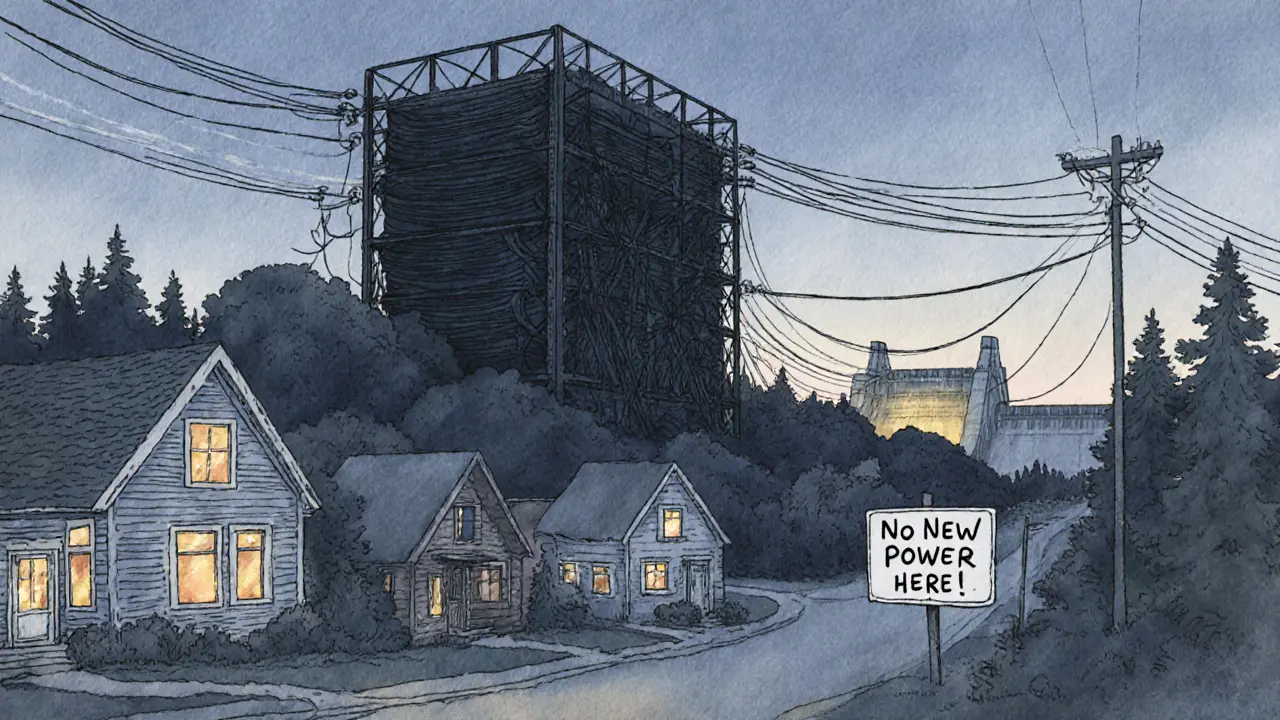
New Brunswick banned new cryptocurrency mining operations from connecting to its power grid in 2023, citing grid strain and rising electricity costs. The moratorium is indefinite and has forced miners to relocate, mainly to Alberta.
view more