
When you hear the term crypto art, digital artwork that lives on a blockchain, secured by unique tokens and tradable like any other crypto asset. Also known as NFT art, it blends creativity with technology. Crypto art isn’t just a buzzword; it’s a whole ecosystem. NFT, non‑fungible token that proves uniqueness and ownership of a digital item is the building block that makes crypto art possible. The underlying blockchain, decentralized ledger that records every transaction and guarantees provenance guarantees that the art can’t be copied or altered without detection. Within this space, digital collectibles, tokenized items ranging from trading cards to virtual sneakers that collectors buy, sell, and show off represent a popular slice of crypto art, often displayed in virtual worlds. Those virtual worlds—collectively called the metaverse, online 3D environments where users interact, trade, and experience content—provide the galleries where crypto art can be viewed, purchased, and experienced in immersive ways. In short, crypto art encompasses NFTs, requires blockchain for trust, is shaped by digital collectibles, and finds its stage in the metaverse.
First, crypto art democratizes the art market. Artists no longer need a traditional gallery or a dealer to reach a global audience; they can mint an NFT, list it on a marketplace, and let the blockchain handle sales and royalties. Second, the scarcity built into NFTs creates new economic models: creators earn a percentage every time their work resells, a feature unheard of in the conventional art world. Third, the metaverse adds a social layer—virtual galleries let fans walk through curated rooms, watch live unveilings, and even interact with the art via AR or VR tools. Fourth, digital collectibles bring gamified incentives; some projects reward owners with exclusive airdrops, in‑game items, or token utilities, turning a piece of art into a gateway for broader participation in the crypto ecosystem. Finally, the technology itself—smart contracts, token standards like ERC‑721 and ERC‑1155—continues to evolve, offering lower gas fees, cross‑chain compatibility, and richer metadata, which all widen the possibilities for creators and collectors alike.
Below you’ll find a curated collection of articles that dive deeper into each facet of this fast‑moving space. From step‑by‑step guides on how to claim airdrops tied to crypto art projects, to reviews of NFT marketplaces, to breakdowns of how smart contracts power creator royalties, the posts cover practical how‑tos, strategic insights, and the latest trends. Whether you’re an artist looking to mint your first piece, a collector hunting the next big drop, or just curious about how the metaverse is reshaping visual culture, these resources give you the tools and knowledge to navigate crypto art with confidence.
Posted by Minoru SUDA with 14 comment(s)
Mar
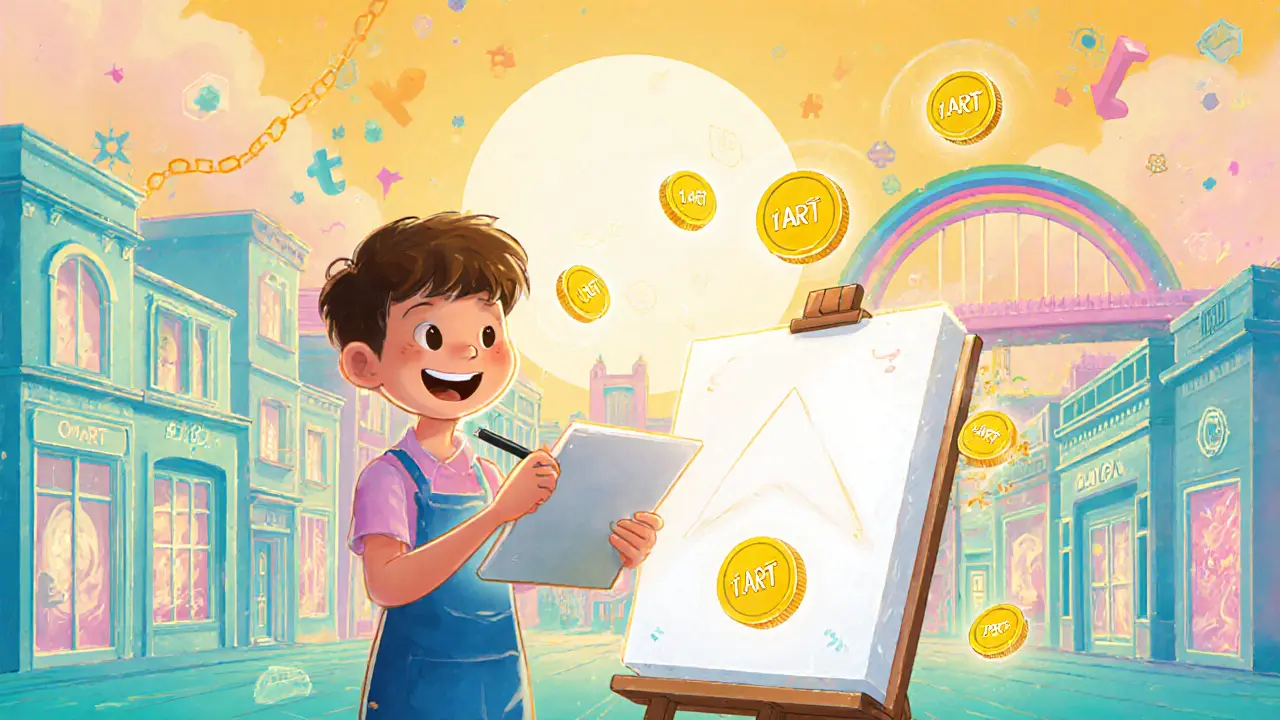
OneArt (1ART) is a crypto‑art token that powers a multi‑chain NFT and Metaverse platform. Learn its purpose, tokenomics, wallet tools, how to buy it, risks, and future outlook in this in‑depth guide.
view more