
When you see BUN, a low-market-cap meme token with no official team or roadmap. Also known as BUN coin, it’s not a project—it’s a community-driven gamble built on hype, social media buzz, and speculative trading. Unlike stablecoins or utility tokens, BUN doesn’t power a platform, pay interest, or solve a real problem. Its value comes from one thing: whether enough people believe it’s going up tomorrow.
That’s why BUN price moves like a rollercoaster with no rails. One tweet from a popular crypto influencer can spike it 30%. A single large sell-off can drop it 50% in hours. It’s not about fundamentals—it’s about sentiment, liquidity pools on decentralized exchanges, and how many new wallets are buying in. This is the same pattern you see with tokens like Lets Go Brandon (LGB), a meme coin tied to a political slogan with zero technical development, or BALLTZE, a Solana-based meme token that crashed 98% after launch. These aren’t investments. They’re digital lottery tickets.
People chase BUN price not because they understand its tech—they do it because they’ve seen others make quick gains. But here’s the catch: most of those gains vanish just as fast. The real signal isn’t the chart—it’s the trading volume on DEXs like Meteora DAMM, the number of holders on Solana, and whether any major wallets are accumulating or dumping. If you’re looking at BUN, you’re not analyzing a company. You’re tracking a crowd.
What you’ll find below are real posts that break down exactly how these tokens behave. From dead meme coins with zero volume to exchanges that let you trade them, and the red flags that scream "don’t touch." No fluff. No hype. Just what’s actually happening with tokens like BUN—so you don’t end up holding the bag when the crowd walks away.
Posted by Minoru SUDA with 21 comment(s)
Nov
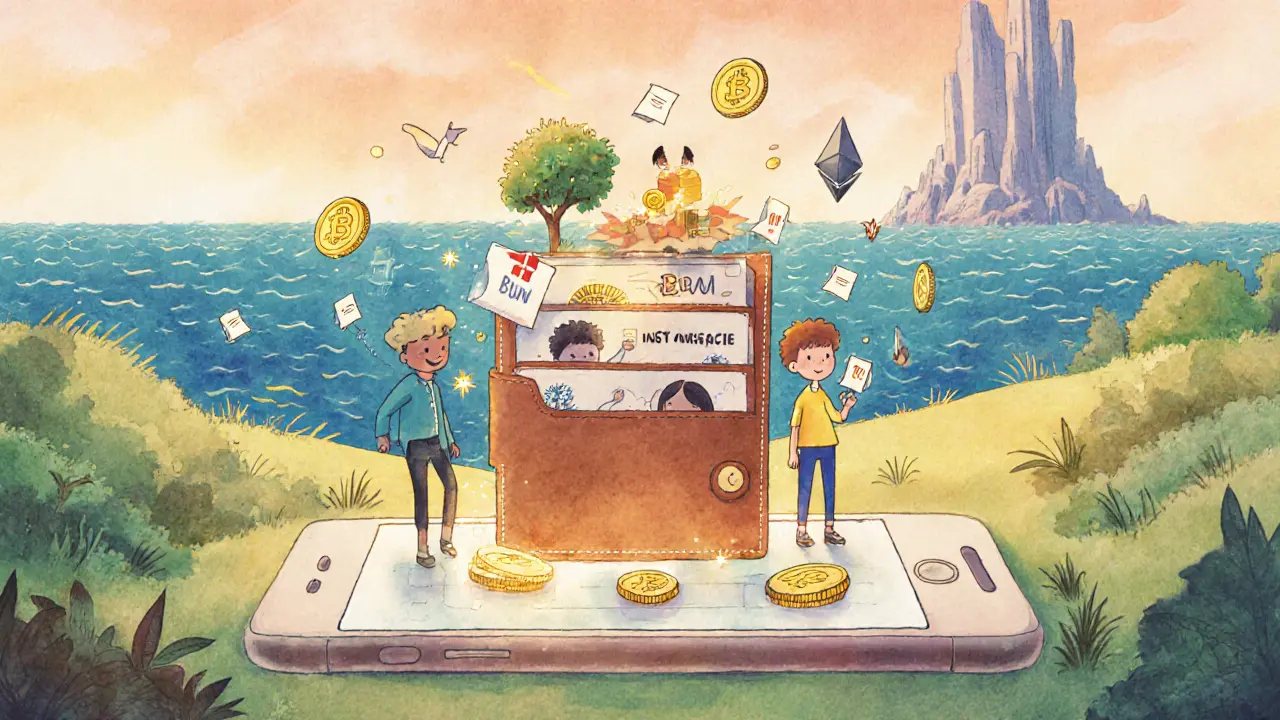
Boundless Network (BUN) is a niche crypto token tied to the Burrito Wallet ecosystem. With low liquidity, minimal adoption, and extreme price swings, it's not a serious investment - just a speculative experiment.
view more