
When working with BEP20, a token protocol on the Binance Smart Chain that defines how tokens are created, transferred, and managed. Also known as BSC ERC‑20 equivalent, it provides a common set of rules that let developers launch interoperable assets quickly.
This protocol lives on Binance Smart Chain, a high‑performance blockchain that runs smart contracts compatible with the Ethereum Virtual Machine. The chain’s low fees and fast block times make it a favorite for token projects that want to avoid Ethereum’s congestion. Because BEP20 inherits the same function signatures as Ethereum’s ERC20, wallets and exchanges can often support both standards with minimal changes. In practice, this means a token can move from BSC to Ethereum bridges without rewriting its core code.
To understand BEP20 fully, compare it to ERC20, the original token standard on Ethereum that introduced functions like transfer, approve, and allowance. While ERC20 pioneered token interoperability, BEP20 expands on it by adding features such as native support for cross‑chain swaps and optional token burning mechanisms. The two standards share the same basic interface, so developers familiar with ERC20 can pick up BEP20 in minutes. However, BEP20 often includes extra metadata fields that help DeFi platforms calculate fees and reward distributions more efficiently.
If you’re looking to master BEP20 token development, it helps to see it as part of the broader DeFi, ecosystem of decentralized finance applications that rely on programmable assets and smart contracts. BEP20 tokens power liquidity pools, yield farms, and airdrop campaigns because they can be moved cheaply and tracked reliably on BSC explorers. For instance, many airdrop projects list BEP20 as the preferred token type to reduce gas costs for participants. Likewise, decentralized exchanges list BEP20 pairs alongside ERC20 pairs, giving traders more options without fragmenting liquidity.
Beyond airdrops and exchanges, BEP20 serves as the backbone for tokenized game assets, NFTs that use the same contract interface, and even cross‑chain bridges that lock BEP20 on BSC while minting an equivalent token on another chain. The standard’s flexibility lets developers add custom functions—like staking hooks or auto‑rebasing—while staying compliant with the core BEP20 spec. This balance of consistency and extensibility is why many new projects choose BEP20 over building a brand‑new contract from scratch.
Below you’ll find a curated collection of articles that dive deeper into BEP20 token creation, exchange reviews, airdrop guides, and more, giving you practical steps and real‑world examples to help you navigate the BSC ecosystem.
Posted by Minoru SUDA with 18 comment(s)
Oct
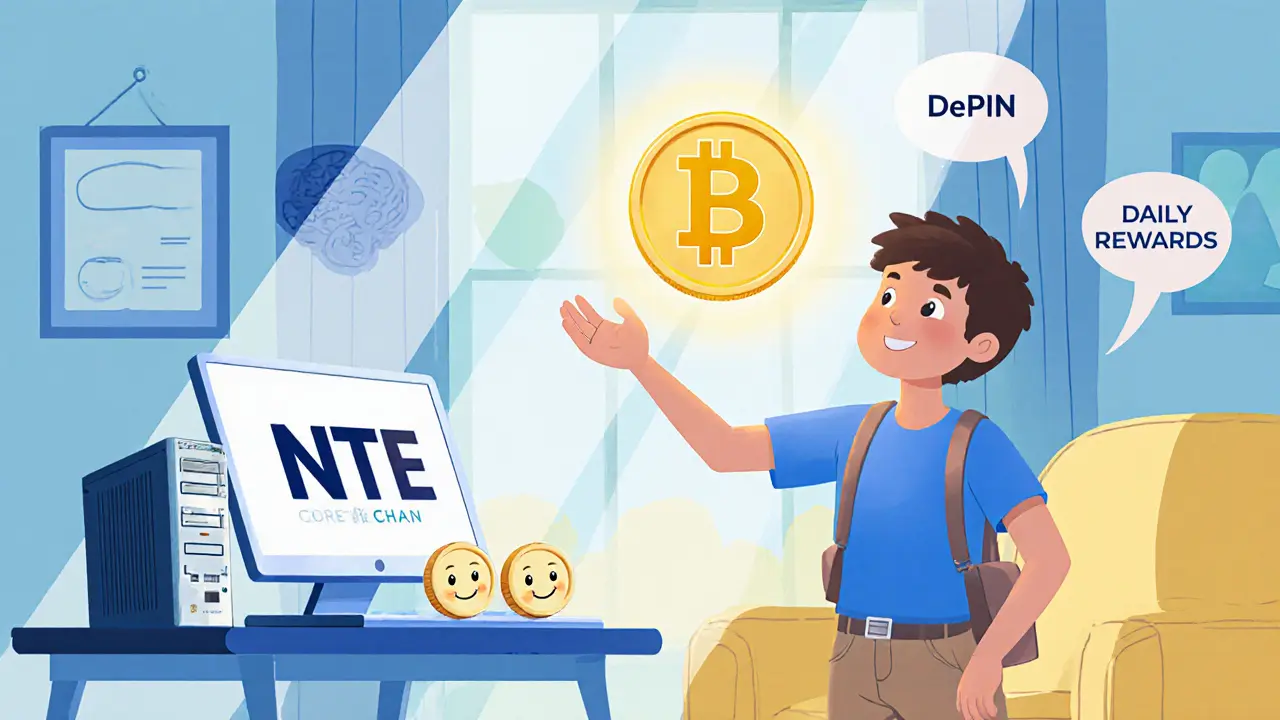
A concise guide to NODEMETA (NTE): its blockchain foundation, tokenomics, node rewards, market presence, and the risks you should consider before getting involved.
view more