
When working with BEP-20 token, a token standard on Binance Smart Chain that defines how digital assets are created, transferred, and managed. Also known as BSC token, it forms the backbone of many DeFi projects, games, and airdrop campaigns. Binance Smart Chain, a high‑performance blockchain that supports smart contracts compatible with the Ethereum Virtual Machine provides the network layer, while tokenomics, the economic design that governs supply, distribution, and incentives of a token dictates its market behavior. Finally, airdrop, a distribution method where free tokens are given to a community to boost awareness and adoption often leverages the BEP‑20 standard to reach users quickly. In short, BEP-20 token encompasses smart‑contract rules, relies on Binance Smart Chain for execution, needs sound tokenomics for sustainability, and is frequently spread through airdrops to grow its ecosystem.
The BEP‑20 model mirrors the popular ERC‑20 standard but adds features that suit high‑throughput environments. First, it defines a set of required functions—such as totalSupply(), balanceOf(), and transfer()—that every BEP‑20 contract must implement. These functions enable wallets, exchanges, and dApps to interact with the token in a predictable way. Second, optional extensions let developers add burn mechanisms, minting rights, or pausing capabilities, providing flexibility for complex use cases like staking or governance. Because all BEP‑20 tokens share the same interface, developers can reuse existing tools, saving time and reducing bugs. This uniformity also makes it easier for users to track holdings across multiple platforms, from decentralized exchanges to portfolio trackers.
Tokenomics is where the rubber meets the road. A well‑designed BEP‑20 token will spell out its maximum supply, inflation schedule, and reward distribution in the whitepaper. For example, a token may allocate 40 % of its supply to community incentives, 20 % to development, and keep the rest in a treasury for future growth. These numbers aren’t just numbers; they shape investor confidence and dictate how the token behaves in the market. Projects that lock a portion of tokens for a set period often see reduced selling pressure, while those with high inflation may need strong utility to keep demand up. Understanding these attributes helps you evaluate whether a BEP‑20 token is a speculative gamble or a functional asset.
Airdrops have become a go‑to strategy for bootstrapping BEP‑20 projects. By sending free tokens to existing wallet holders, a project can instantly generate buzz, grow its community, and gather data on active users. However, not every airdrop is equal. Some require participants to complete tasks like following social channels or staking another token, while others are purely snapshot‑based. The success of an airdrop often hinges on the token’s underlying tokenomics—if there’s a clear use case, recipients are more likely to hold the token rather than flip it. Moreover, because BEP‑20 tokens live on Binance Smart Chain, airdrop distribution is cheap and fast, making it an attractive option for both new and established projects.
From an investor’s perspective, BEP‑20 tokens offer a blend of accessibility and depth. The low transaction fees on Binance Smart Chain encourage high‑frequency trading and micro‑transactions, which is why many decentralized exchanges list BEP‑20 pairs alongside popular assets like BNB and USDT. At the same time, the ecosystem supports advanced features such as liquidity mining, yield farming, and cross‑chain bridges, allowing users to move value between BSC and other networks. Whether you’re hunting for the next high‑growth meme coin, evaluating a DeFi protocol’s sustainability, or simply trying to understand how a token’s supply mechanics affect price, the BEP‑20 framework gives you a familiar footing to start the analysis.
Below you’ll find a curated set of articles that dive deeper into each of these areas. From reviews of crypto exchanges that list BEP‑20 assets to detailed guides on tokenomics and airdrop verification, the collection covers practical tips, real‑world examples, and the latest trends shaping the BEP‑20 landscape. Explore the posts to sharpen your knowledge and make more informed decisions about the tokens you encounter every day.
Posted by Minoru SUDA with 12 comment(s)
Oct
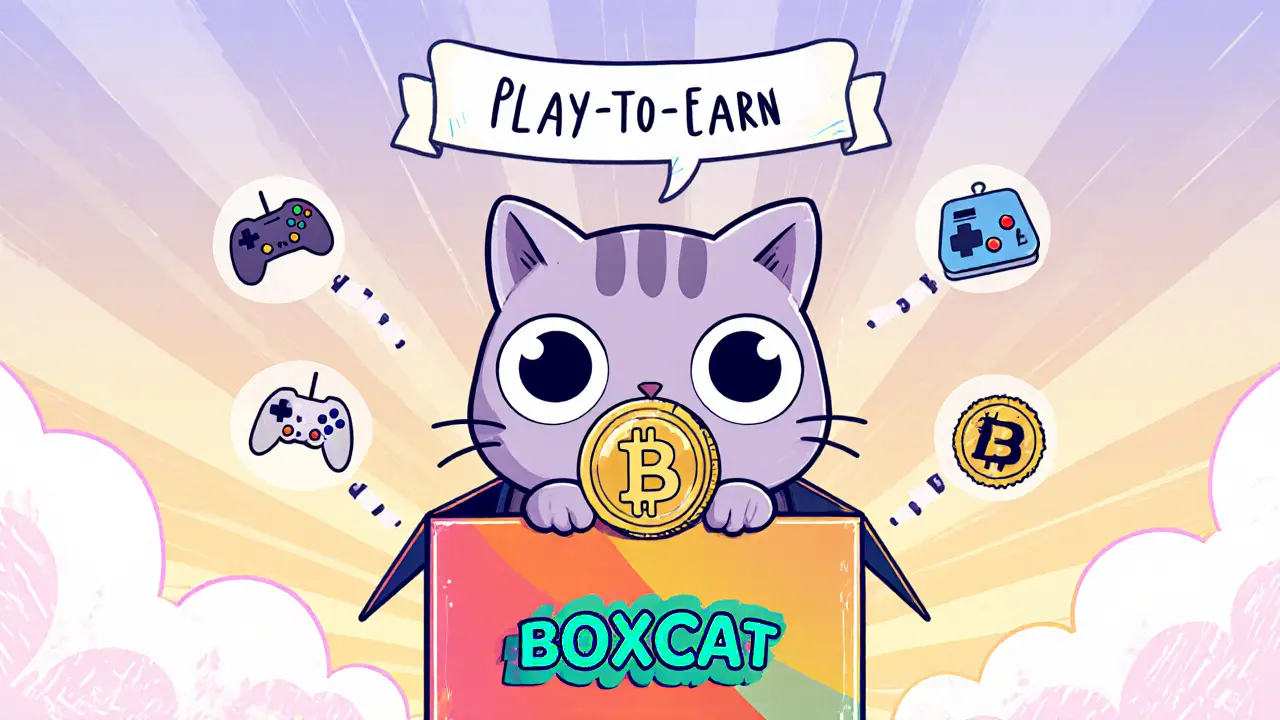
A detailed look at BOXCAT, the meme‑based BEP‑20 token on BNB Chain, covering its tech, market performance, risks, buying steps, and how it compares to Dogecoin and Shiba Inu.
view more