
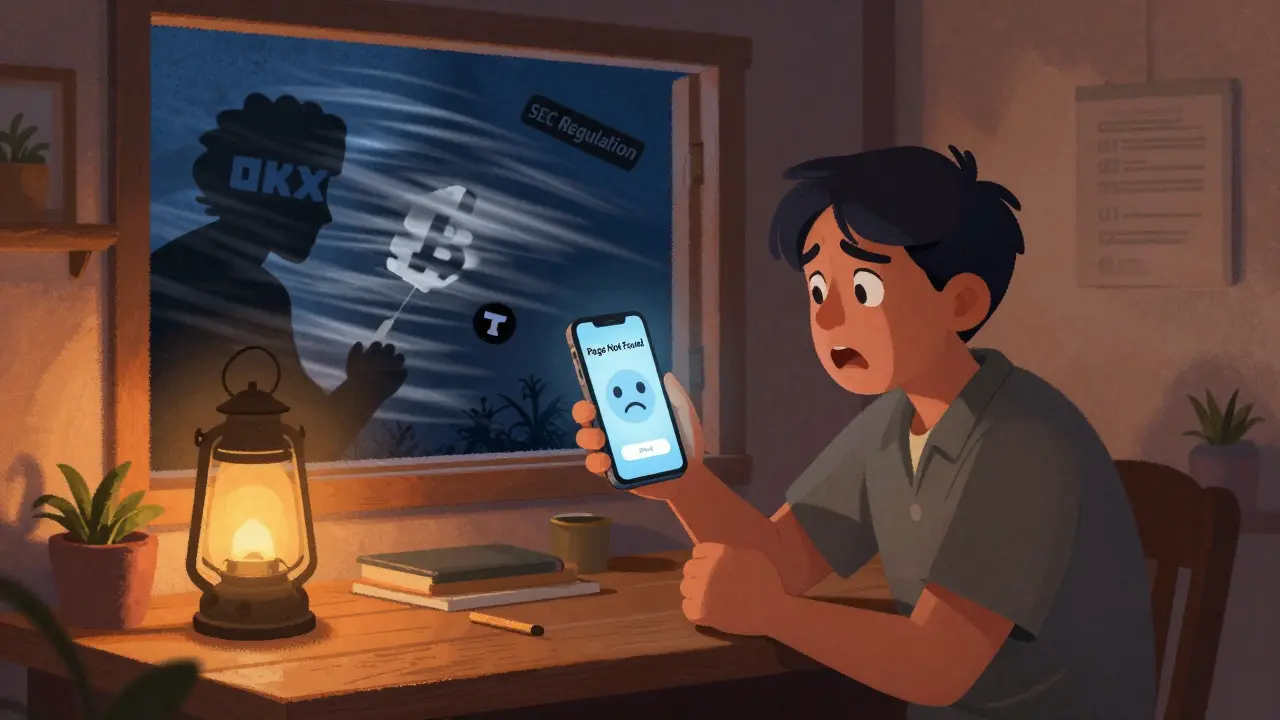
If you are a cryptocurrency trader in the Philippines and suddenly find yourself staring at a "Page Not Found" error when trying to access your favorite exchange, you are not alone. The regulatory landscape shifted dramatically in mid-2025, turning what was once a relatively open market into one of the most strictly regulated environments in Southeast Asia. The Philippines Securities and Exchange Commission (SEC) is the government agency responsible for regulating corporations and securities markets in the Philippines has moved aggressively to clean up the digital asset space.
This isn't just a minor policy tweak. It is a comprehensive crackdown that has resulted in a formal crypto exchange blacklist, blocking access to major global platforms like OKX, Bybit, and KuCoin for millions of Filipino users. Understanding why this happened, who is affected, and how it impacts your trading strategy is no longer optional-it is essential for protecting your assets.
The New Rules: What Changed in July 2025?
To understand the blacklist, you first need to understand the rules that triggered it. In May 2025, the SEC issued two critical documents: Memorandum Circular No. 4 and Memorandum Circular No. 5. These circulars established the first comprehensive framework for Crypto Asset Service Providers (CASP) in entities that facilitate the buying, selling, or storage of cryptocurrencies for clients.
The effective date was July 5, 2025. From that day forward, any company offering crypto services to Philippine residents had to meet strict new criteria. If they didn't register as a domestic corporation, they were operating illegally. The key requirements include:
- Local Incorporation: Exchanges must register as domestic corporations within the Philippines.
- Minimum Capital: A minimum paid-up capital of 100 million pesos (approximately $1.8 million USD) is required. This barrier effectively shuts out smaller, niche exchanges.
- Physical Presence: Companies must maintain physical offices on Philippine soil. Remote-only operations are no longer acceptable for serving local users.
- Financial Reporting: Monthly financial reports must be submitted directly to the SEC.
- Segregation of Funds: Customer funds must be kept separate from company assets to prevent losses if the exchange goes bankrupt.
These rules were designed to protect investors after years of volatility and high-profile exchange collapses globally. However, for many international giants, the cost of compliance outweighed the benefit of the Philippine market.
The Blacklist: Who Got Banned?
When the deadline passed without full compliance from major players, the SEC didn't hesitate. On August 1, 2025, they issued a public advisory naming ten major platforms for violating these new regulations. By late August, the list grew even longer.
Here is the breakdown of the entities currently flagged by the regulator:
| Exchange Name | Date Added to List | Primary Feature Affected |
|---|---|---|
| OKX | August 1, 2025 | Spot and Derivatives Trading |
| Bybit | August 1, 2025 | Futures and Options Trading |
| KuCoin | August 1, 2025 | Altcoin Listings |
| Kraken | August 1, 2025 | Spot Trading |
| MEXC | August 1, 2025 | High-Risk Altcoins |
| Bitget | August 1, 2025 | Copy Trading and Futures |
| CoinEx | August 1, 2025 | Spot Trading |
| Phemex | August 1, 2025 | Leverage Trading |
| BitMart | August 1, 2025 | NFT and Spot Trading |
| Poloniex | August 1, 2025 | Spot Trading |
| Blofin | August 25, 2025 | Derivatives |
| CoinW | August 25, 2025 | Spot Trading |
| DigiFinex | August 25, 2025 | Spot and Futures |
| LBank | August 25, 2025 | Low-Cap Tokens |
| Pionex | August 25, 2025 | Trading Bots |
Note that this list is not static. The SEC explicitly warned that other platforms with similar features designed to onboard Philippine users without registration will also face enforcement action. This means newer or lesser-known exchanges could join this list at any time.
How Are They Blocking Access?
You might wonder, "It's the internet; how can they block a website?" The answer lies in coordination between regulators and infrastructure providers. Starting around August 7, 2025, major Internet Service Providers (ISPs) in the Philippines began enforcing the ban.
Telecom giants like PLDT and Globe Telecom implemented DNS-level blocks. When you try to visit a blacklisted exchange using a standard connection, your request is intercepted before it reaches the exchange's servers. Instead of the login page, you see a notification indicating a regulatory violation.
This enforcement mechanism is highly effective for casual users. To bypass it, traders have turned to Virtual Private Networks (VPNs). While VPNs work, they introduce latency, which can be disastrous for high-frequency traders or those executing time-sensitive arbitrage strategies. Furthermore, relying on unregulated workarounds carries its own risks, including potential data privacy issues with third-party VPN providers.
Why Did This Happen Now?
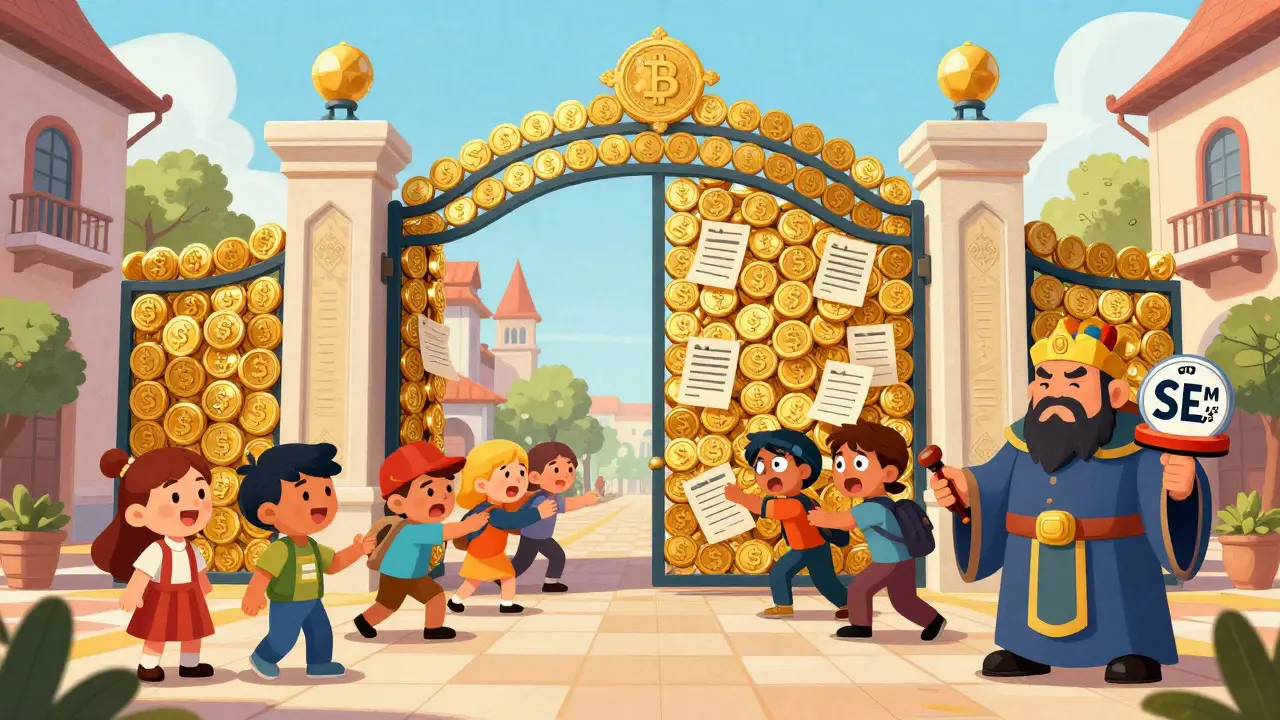
The crackdown wasn't random. It follows a broader trend across Southeast Asia. Thailand’s SEC ordered similar blocks in May 2025, targeting anti-money laundering violations. Indonesia tightened its crypto tax policies simultaneously, increasing taxes on offshore trades significantly.
In the Philippines, the catalyst was likely the combination of global instability and the desire to assert sovereignty over financial data. The previous enforcement against Binance in 2024 served as a test case. Authorities gave users a 90-day exit period, which worked smoothly. This success emboldened the SEC to take on multiple large players at once in 2025.
There is also an economic angle. By requiring a 100 million peso capital reserve and local offices, the government ensures that compliant exchanges contribute to the local economy through jobs and taxes. Non-compliant platforms were seen as extracting value from Filipino users without contributing back to the system.
Impact on Traders and Investors
For the average Filipino crypto enthusiast, the impact is immediate and tangible. Here is what you need to know about your options moving forward:
- Migrate to Compliant Platforms: You must move your assets to exchanges that have secured CASP registration. Currently, only a few major players have fully complied. Check the SEC’s official registry for the latest list of approved entities.
- Use VPNs (With Caution): If you prefer sticking with non-compliant exchanges due to better fees or token selection, you will need a reliable VPN. Be aware that this adds complexity and potential security risks.
- Watch for Penalties: The SEC has imposed fines ranging from 50,000 to 10 million pesos per violation for exchanges. While these fines target companies, ongoing daily penalties of 10,000 pesos mean non-compliant platforms may shut down their Philippine-facing servers entirely to cut losses.
Market analysts warn that this could reduce liquidity for certain altcoins that were previously easily accessible on platforms like KuCoin or MEXC. If fewer people can trade these tokens locally, price discovery may become more volatile.
Is Crypto Still Legal in the Philippines?
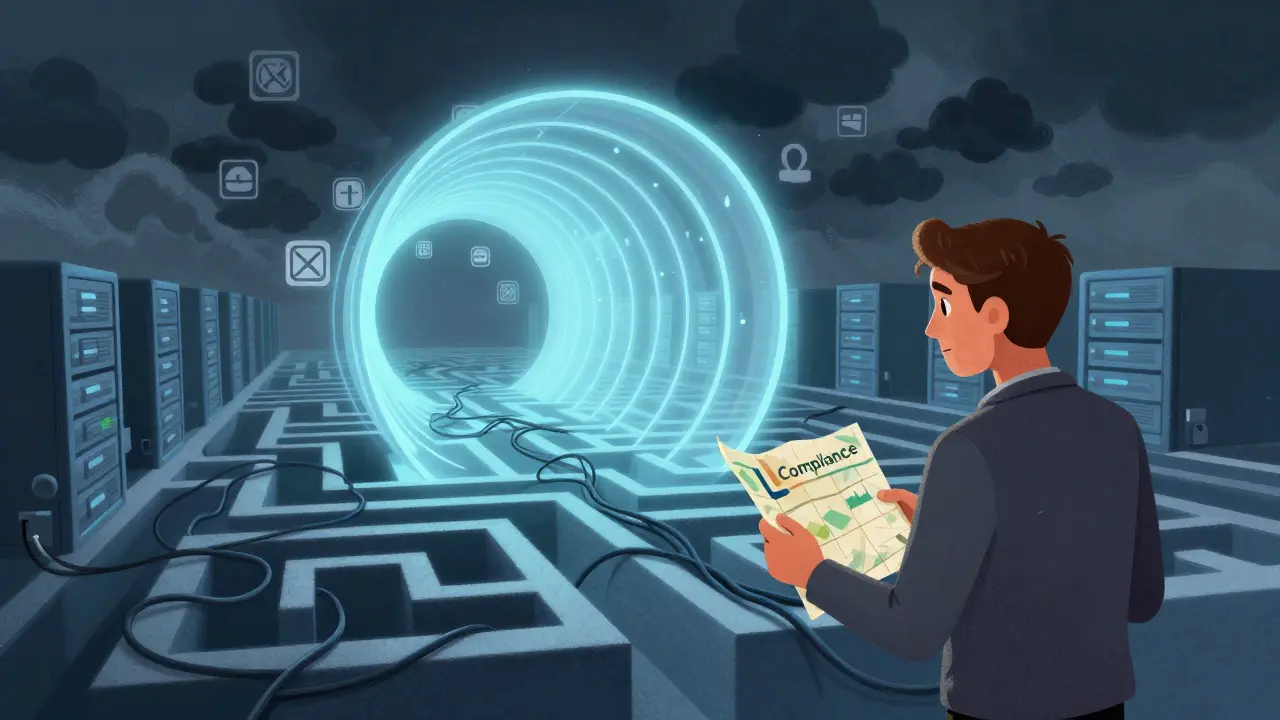
A common misconception is that the blacklist equals a total ban. It does not. On August 14, 2025, the SEC clarified that there is no ban on cryptocurrency trading itself. The prohibition applies specifically to unregistered service providers.
The regulator stated: "We recognize the importance of a free, competitive market, but one that is responsibly regulated to protect investors." This distinction is crucial. You can still buy, sell, and hold Bitcoin or Ethereum. You just cannot do so through an exchange that hasn't played by the new rules.
This approach mirrors the EU’s MiCA regulation, where the focus is on licensing intermediaries rather than banning the underlying technology. For long-term industry health, this structure provides stability. For short-term convenience, it creates friction.
What Comes Next?
As we move through 2026, expect the following developments:
- Expansion of the List: The SEC has hinted that the current fifteen-platform list is not final. Any new platform attempting to serve Filipinos without a license will be targeted quickly.
- Tighter ISP Enforcement: As VPN usage spikes, telecom providers may implement deeper packet inspection to identify and block encrypted traffic destined for known exchange IPs.
- Rise of Local Competitors: The high barriers to entry will favor well-capitalized local fintech firms that can afford the 100 million peso requirement. Expect new domestic exchanges to launch or existing ones to expand their offerings.
For traders, the message is clear: adapt or lose access. The era of unchecked, borderless crypto trading in the Philippines is over. The future belongs to compliant, transparent, and locally anchored platforms.
Is Binance still blocked in the Philippines?
Yes, Binance remains blocked following the 2024 enforcement action. Although it was removed from the market earlier, it has not re-entered under the new CASP framework as of mid-2026, meaning it continues to operate outside the compliant ecosystem unless specific licensing is obtained later.
Which crypto exchanges are currently legal in the Philippines?
Only exchanges registered as Crypto Asset Service Providers (CASPs) with the SEC are legal. As of 2026, you should check the official SEC registry for the updated list. Generally, major local banks' crypto arms and a few international giants that met the 100 million peso capital requirement are compliant.
Can I use a VPN to access blocked exchanges?
Technically, yes. Many users use VPNs to bypass ISP blocks enforced by PLDT and Globe Telecom. However, this is a workaround, not a legal exemption. Using a VPN may expose you to slower speeds and potential security risks from the VPN provider itself.
What happens if I keep trading on a blacklisted exchange?
The primary risk is loss of access. ISPs block the websites, making deposits and withdrawals difficult. Additionally, if the exchange decides to stop serving Philippine users to avoid further SEC penalties, you could be locked out of your account entirely.
Are there fines for individual traders using banned platforms?
Currently, the SEC's fines target the exchanges themselves, ranging from 50,000 to 10 million pesos per violation. Individual traders have not been heavily fined, but they bear the operational burden of finding compliant ways to trade.
Why did Kraken get banned if it is known for compliance?
Kraken is compliant in many jurisdictions, but the Philippines requires specific local incorporation and a physical office. Until Kraken established a domestic entity meeting the 100 million peso capital rule, it was considered non-compliant under Philippine law, regardless of its global reputation.