
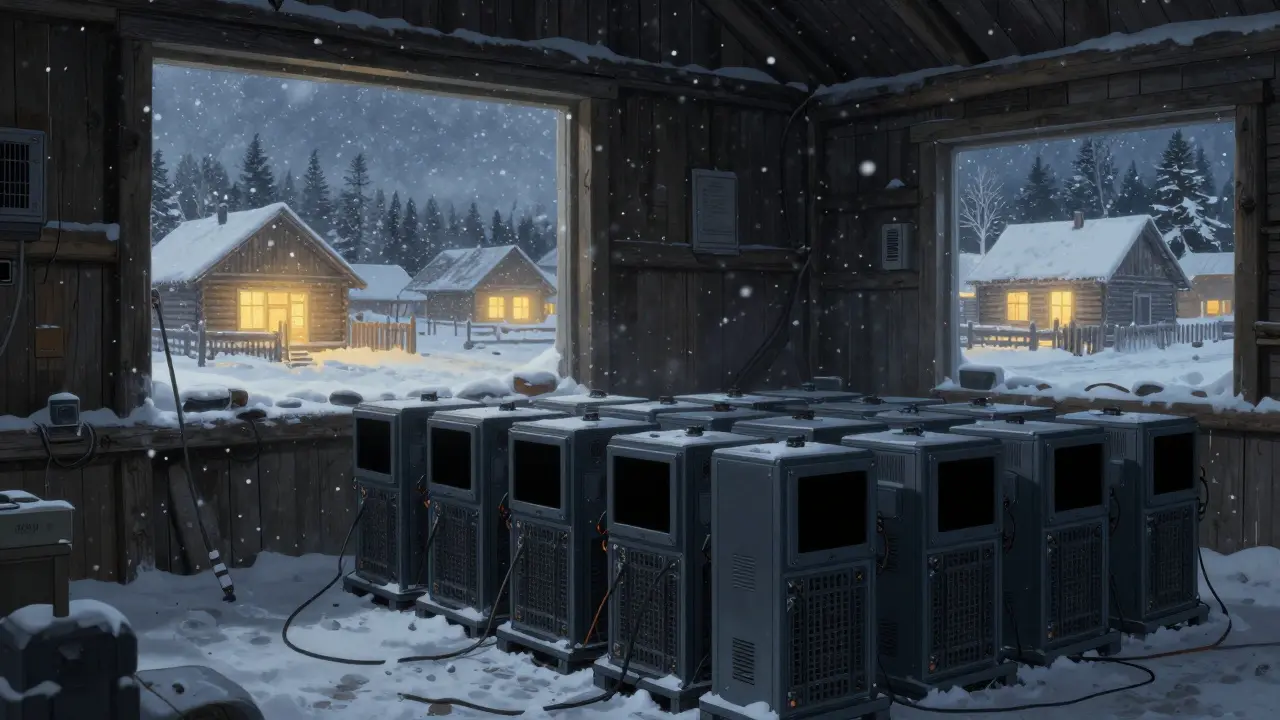
Imagine buying expensive mining rigs, setting them up in a remote Siberian village, and watching the hash rate climb. Then, one winter morning, your equipment goes dark. Not because of a hardware failure, but because the government remotely cut the power to prioritize heating for local homes. This is not a hypothetical scenario; it is the daily reality for many cryptocurrency miners operating in Russia today.
The landscape for mining crypto in Russia has shifted dramatically since the regulatory overhaul of 2024 and early 2025. What was once a gray area of shadow operations has become a tightly controlled sector with strict geographic bans, mandatory registrations, and the constant threat of remote disconnection. If you are looking to enter this market or are already operating there, understanding these rules is no longer optional-it is essential for survival.
The New Legal Framework: From Prohibition to Controlled Legality
Russia did not ban cryptocurrency mining outright. Instead, it chose a path of "controlled legalization." The goal is clear: the state wants to capture tax revenue from the industry while preventing it from destabilizing the national energy grid. In August and October 2024, President Vladimir Putin signed comprehensive legislation that defined mining businesses, established taxation, and created enforcement mechanisms.
This framework treats miners as legitimate economic actors, but with a major caveat: they are considered low-priority consumers. Under the new laws, miners are classified as "fourth category" electricity users. This classification places them at the bottom of the priority list. When energy demand spikes-particularly during harsh winters-the authorities have the legal right to disconnect mining operations remotely before touching residential or industrial power supplies.
This system relies on a mandatory state registry. All imported mining hardware must be labeled and certified. This allows the Federal Tax Service (FTS) to track exactly where equipment is located and how much power it consumes. Without being in this registry, your operation is illegal, exposing you to severe financial penalties.
Geographic Restrictions: Where You Can and Cannot Mine
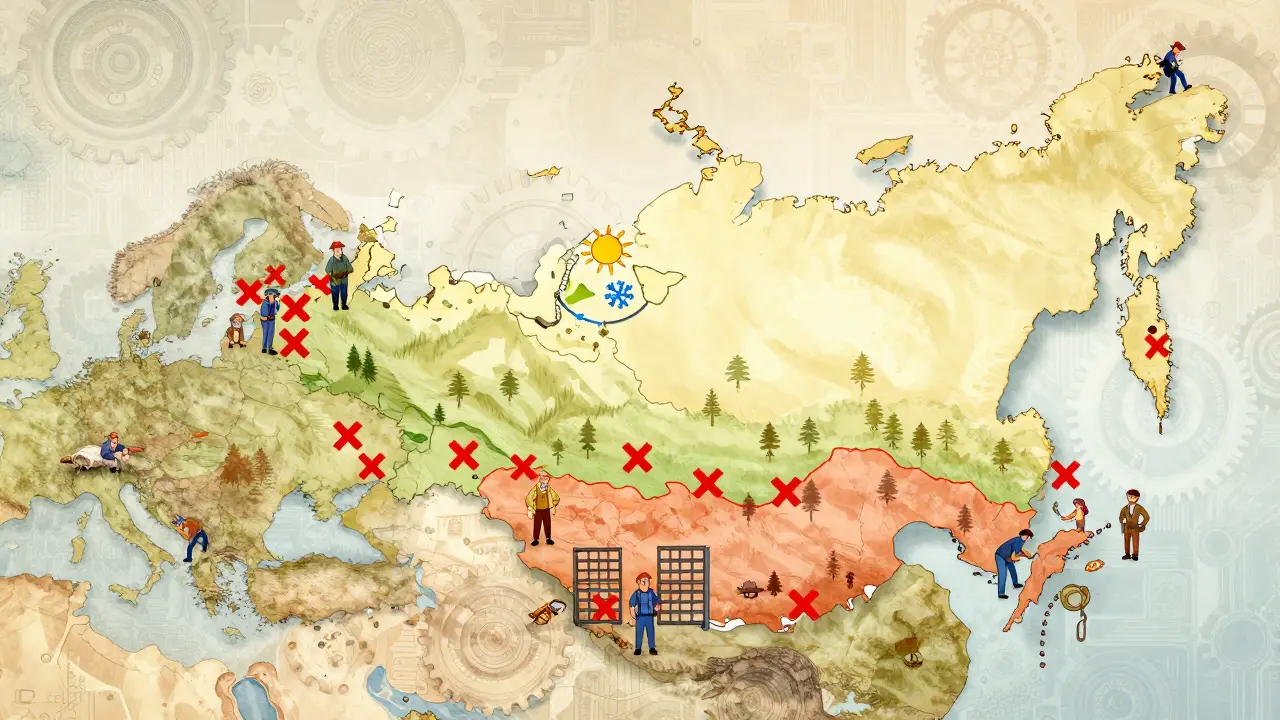
You cannot simply set up a mine anywhere in Russia. The government has implemented a two-tiered restriction system based on regional energy deficits. As of January 1, 2025, specific regions face either complete bans or seasonal limitations.
| Region Type | Affected Areas | Restriction Duration | Reason |
|---|---|---|---|
| Complete Ban | Dagestan, Ingushetia, Kabardino-Balkaria, Karachay-Cherkessia, North Ossetia, Chechnya, Donetsk, Lugansk, Zaporizhzhia, Kherson | Jan 1, 2025 - Mar 15, 2031 | Critical energy deficits |
| Seasonal Ban | Irkutsk, Buryatia, Zabaikalsky Krai | Nov 15 - Mar 15 (Annual Cycle) | Winter peak load management |
If you operate in the North Caucasus or the occupied territories listed above, you cannot legally mine at all until March 2031. These areas suffer from chronic infrastructure strain, and the government sees no room for additional load. For those in Siberia, the situation is more nuanced. You can operate during the summer months when hydroelectric power is abundant, but you must shut down during the coldest part of the year. Ignoring these geographic limits results in immediate classification as an illegal operator.
Registration Requirements and Tax Obligations
To operate legally, you must register with the national miners' registry. However, the rules differ depending on your scale. Individual miners using less than 6,000 kWh of energy per month are currently exempt from registration. This exemption protects hobbyists running a few ASICs at home. But if you are running an industrial farm or even a medium-sized setup exceeding this threshold, registration is mandatory.
Once registered, you enter the tax net. In November 2024, Russia introduced a 15% tax on Bitcoin mining profits. This applies to the net income generated from mining activities. The logic is straightforward: if you profit from state resources (electricity), you pay the state a share. Failure to report transactions or register when required triggers audits and fines.
Compliance remains a challenge. According to Ivan Chebeskov, Deputy Minister of Finance, only about 30% of miners were registered with the FTS by mid-2025. The government acknowledges that the majority of the industry still operates in the shadows. This gap is why enforcement measures are tightening rapidly.
Penalties for Illegal Mining
The cost of breaking the rules has skyrocketed. Previously, fines for unauthorized mining were relatively manageable. Now, the Digital Development Ministry is pushing to increase penalties significantly. Current fines for illegal operations range from 200,000 rubles to potentially 2 million rubles ($25,500 USD).
But the fine is just the beginning. Authorities can also confiscate your mining equipment. Given that high-end ASIC miners cost thousands of dollars each, losing your entire inventory is a devastating blow. Additionally, operating illegally means you have no protection against remote disconnection. Registered miners might get a warning or a scheduled shutdown notice; unregistered miners face immediate and permanent cuts without recourse.
Energy Management and Remote Disconnections
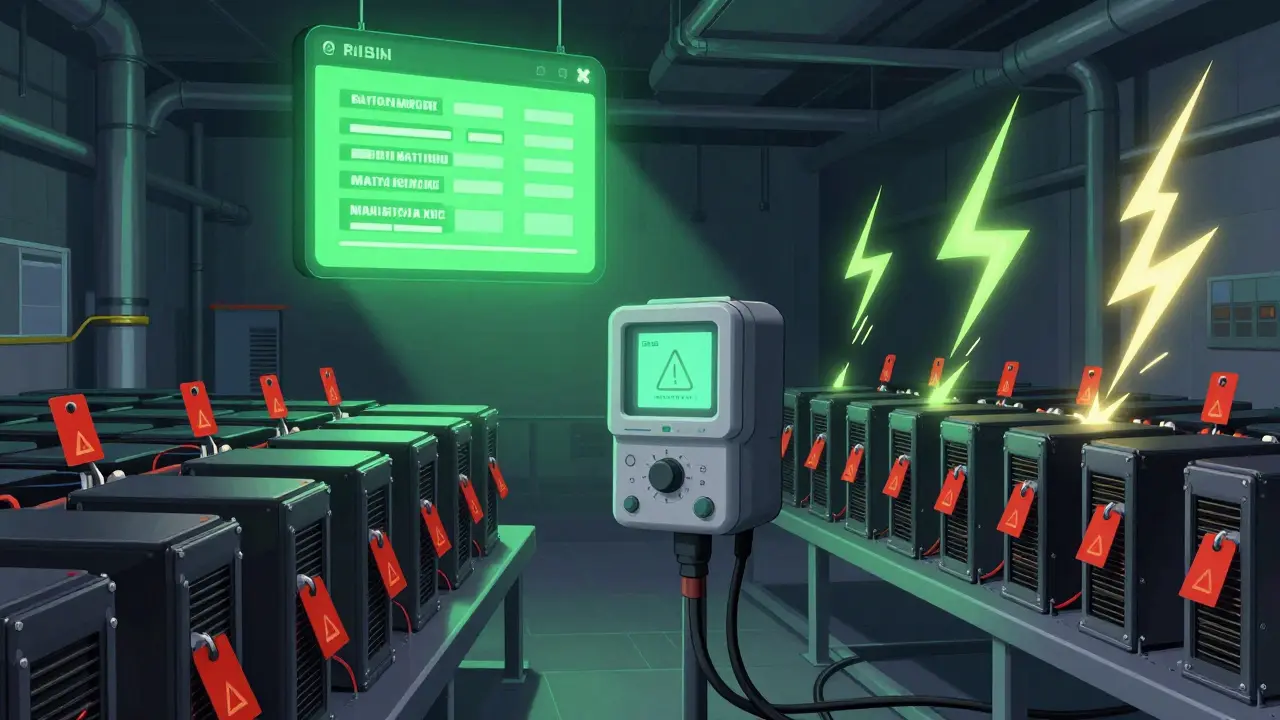
The most unique aspect of Russia’s regulatory model is its active energy management system. Because miners are fourth-category consumers, their power supply is volatile. During periods of high electrical demand, such as heatwaves or extreme cold snaps, grid operators can remotely switch off mining farms via smart meters connected to the state registry.
This feature ensures that hospitals, schools, and residential heating remain powered. For miners, this introduces significant operational risk. Your profitability depends on consistent uptime, which is no longer guaranteed. Many large-scale operators are now investing in backup generators or hybrid energy solutions to mitigate this risk, though this adds substantial overhead costs.
Market Dynamics and Future Outlook
Despite these restrictions, the market is growing. Demand for industrial mining equipment in Russia tripled in Q4 2024 compared to the previous year. Why? Because legal clarity attracted serious investors who previously stayed away due to uncertainty. The 15% tax rate is competitive globally, and energy prices in some subsidized regions remain attractive.
However, the window for easy entry is closing. With only 30% compliance, the government is under pressure to clean up the sector. Expect stricter enforcement, higher fines, and potentially more regions added to the ban list as energy infrastructure struggles to keep pace with demand. Industry experts suggest that while mining remains a viable diversification strategy (allocating up to 5% of portfolios), it requires rigorous legal adherence and robust contingency planning for power interruptions.
Owning and trading crypto remains legal in Russia, but using it for payments is strictly prohibited. The ruble remains the sole legal tender. Any transaction over 600,000 rubles must be reported to tax authorities. This broader context reinforces the state’s intent: control the flow of value, tax the production, and protect the energy grid.
Is cryptocurrency mining legal in Russia in 2026?
Yes, but with strict conditions. You must register with the state registry if you consume more than 6,000 kWh monthly, pay a 15% tax on profits, and operate outside of banned regions. Unregistered mining is illegal and subject to heavy fines and equipment confiscation.
Which regions have a total ban on crypto mining?
As of 2025, a complete ban exists in Dagestan, Ingushetia, Kabardino-Balkaria, Karachay-Cherkessia, North Ossetia, Chechnya, and the occupied territories of Donetsk, Lugansk, Zaporizhzhia, and Kherson. This ban lasts until March 15, 2031.
Can the government turn off my mining rig remotely?
Yes. Miners are classified as "fourth category" electricity consumers. During peak energy demand, authorities can remotely disconnect registered mining equipment to preserve power for essential services like healthcare and residential heating.
What is the tax rate for crypto mining in Russia?
The tax rate is 15% on net mining profits. This applies to registered businesses and entrepreneurs. Individuals consuming under 6,000 kWh/month are exempt from registration but may still need to report income if thresholds are met.
What are the penalties for illegal mining?
Fines range from 200,000 to 2 million rubles ($25,500). Additionally, authorities can confiscate all mining hardware. Operating without registration also leaves you vulnerable to immediate remote power cuts without warning.
Do I need to register if I mine at home?
If your monthly electricity consumption for mining is under 6,000 kWh, you are currently exempt from mandatory registration. However, you must still comply with general tax reporting requirements for large transactions.
Comments
Kenneth Riley
THIS IS ABSOLUTELY RIDICULOUS AND I AM SO ANGRY ABOUT IT. The government is literally stealing your hardware and calling it regulation. Who do they think they are? They cut the power to people's homes first if they want but let miners suffer? It is a complete joke and a disaster for anyone trying to make an honest living in this space.
June 13, 2026 AT 04:39
Benjamin Eisen
i totally get where you are coming from kenneth it is super frustrating when rules change like that overnight. i was thinking about setting up a small rig in my garage but now im scared of the fines. maybe we should just focus on trading instead since mining seems too risky right now with all these bans in siberia and the caucasus regions.
June 15, 2026 AT 00:58
ravi mahla
Haha, Benjamin, you are so naive! 😂 Trading is gambling, mining is hard work. But yes, Russia is becoming a nightmare for miners. Why bother with ASICs when you can just buy Bitcoin directly? The energy costs alone will eat your profits before you even start hashing. Save yourself the headache and stay away from Siberian winters.
June 16, 2026 AT 12:31
Mark Brunschwiler
The soul of the miner is broken by the state. We are not just machines consuming electricity; we are guardians of the decentralized dream. Yet here we are, treated as fourth-class citizens, lower than hospitals, lower than schools. It makes me sad. So very sad. The grid does not care about our dreams, only about keeping the lights on for those who do not understand the value of code.
June 17, 2026 AT 05:05
Sonya O'Brien
I have been following this situation closely for quite some time now and it really highlights the complex relationship between emerging technologies and established infrastructure systems. While I understand the need for grid stability, the approach taken by the Russian government feels somewhat heavy-handed and potentially counterproductive to long-term innovation goals. It would be interesting to see how other countries might adopt similar models or reject them entirely based on their own energy capacities and political climates.
June 17, 2026 AT 08:49
Filbert Reeves
you guys are missing the big picture here. this is all part of a global plan to control money. the west wants to crush crypto so they can keep printing fiat. russia is just doing what everyone else is planning to do eventually. they ban mining in certain areas to force people into specific zones where they can monitor them better. its a surveillance state disguised as energy management. wake up sheeple. the remote disconnect feature is just the tip of the iceberg.
June 18, 2026 AT 12:45
Nick Rice
Nick here. Look, I am not going to sugarcoat this. If you are serious about mining in Russia, you need to register. The days of flying under the radar are over. The fines are real, the confiscation is real, and the remote cuts are real. Stop complaining about the government and start adapting to the new reality. That is how you survive in any market. Be smart, be legal, and protect your assets.
June 19, 2026 AT 08:28
Amit Thakur
Amit here. Let us talk technical specs. The issue is not just regulatory; it is thermal efficiency vs grid load. In regions like Irkutsk, the hydro capacity is finite. When winter hits, the baseload shifts. Miners need to integrate with local microgrids or use waste heat recovery systems to justify their existence. Otherwise, you are just a parasitic load on the transformer. Smart contracts can help manage dynamic pricing, but the hardware needs to support rapid shutdown protocols without damaging the hashboards.
June 20, 2026 AT 08:29
Eric Scheinberg
It is imperative to consider the legal ramifications carefully. The distinction between hobbyist and industrial operations is clear at the 6000 kWh threshold. One must ensure compliance with the Federal Tax Service registry. Failure to do so results in significant financial penalties. The law is explicit regarding the classification of miners as low-priority consumers. Therefore operational strategies must account for potential intermittent service interruptions during peak demand periods.
June 21, 2026 AT 21:10
pankaj chawla
Pankaj here. I agree with Eric that registration is key. But also, look at the tax rate. 15% is actually quite competitive compared to other jurisdictions. If you can secure cheap energy in the allowed regions during summer months, the margins are still good. Just avoid the banned zones completely. Dagestan and Chechnya are off-limits until 2031. Do not risk it. Play by the rules and you will make profit.
June 22, 2026 AT 17:42
Jessica Lane
Jessica here. I find it fascinating how the government is trying to balance energy conservation with economic growth. It raises important questions about sustainability in the tech industry. Are we really willing to sacrifice residential comfort for digital currency? Probably not. But the fact that they are taxing it shows they recognize its value. I hope more transparency comes out of these regulations so smaller operators are not crushed by bureaucracy.
June 24, 2026 AT 17:05
Charles Pawlikowski
USA first always. :D These foreign governments messing with their own grids is their problem. We should not be helping them with our tech. Ban all crypto imports from Russia. They are criminals anyway. The fact that they steal power from poor people to mine bitcoin is disgusting. Keep it simple folks. Stay in America and mine legally. Or better yet dont mine at all and save the planet. :)
June 26, 2026 AT 07:50
Andrea Burd
oh please. another article about how hard it is to make money illegally. nobody cares about your excuses. you bought expensive rigs knowing the risks. if you cant handle a little regulation then maybe you are not cut out for this business. it is pathetic how whiny everyone is. just move to a country with less rules or stop complaining. typical american entitlement.
June 26, 2026 AT 11:04
Akeem Whittaker
Akeem here. Listen up. The game has changed. You cannot operate in the shadows anymore. The state registry is the only way forward. If you are running more than 6000 kWh a month, get registered. Pay the 15% tax. Accept that you might lose power in winter. This is the cost of doing business in a regulated environment. Adapt or die. There is no middle ground. Build redundancy into your power supply or exit the market now.
June 27, 2026 AT 18:32