
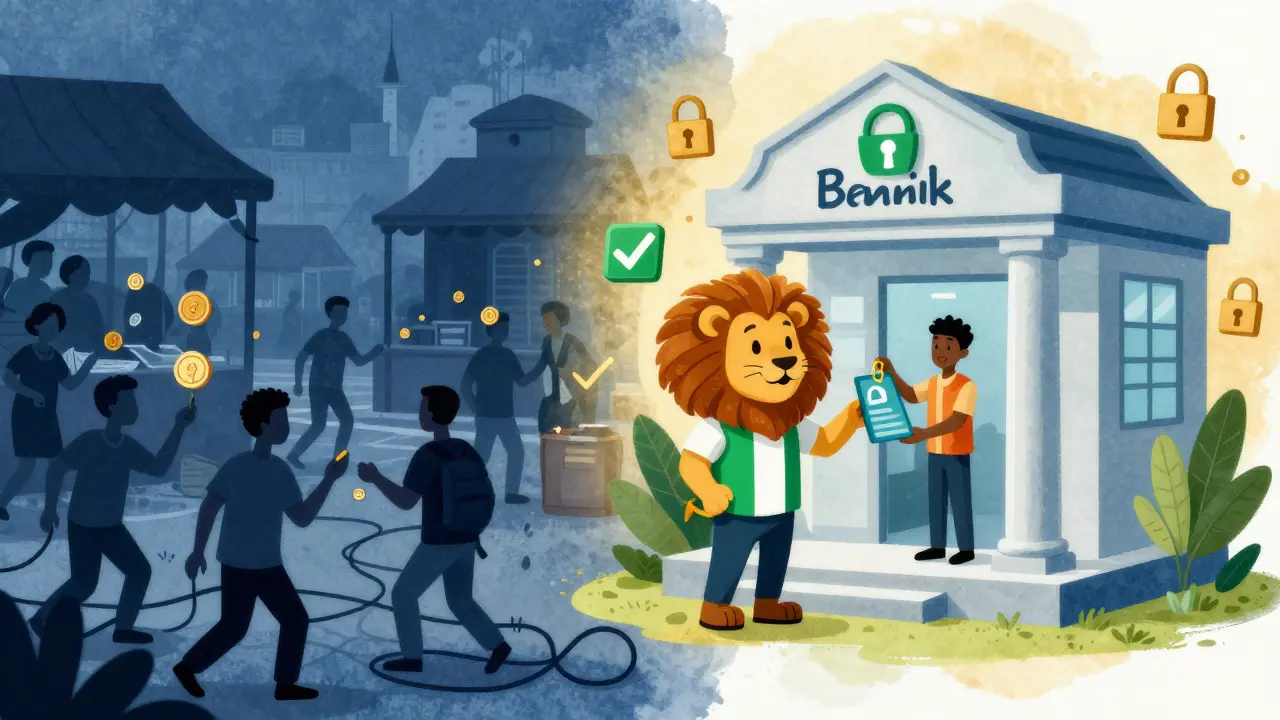
Withdrawing cryptocurrency to your Nigerian bank account used to be a gamble. Today, it is a regulated process-but one that still carries significant risks if you do not follow the rules. Since the Central Bank of Nigeria (CBN) lifted its ban on crypto banking services in late 2023 and the Investments and Securities Act (ISA) 2025 came into force, the landscape has shifted dramatically. Banks are no longer outright blocking transactions from virtual asset service providers (VASPs). However, they have become strict enforcers of compliance. If you withdraw crypto to fiat without understanding these new guardrails, you risk having your account frozen or permanently closed.
This guide breaks down exactly how Nigerian banks react to crypto-to-fiat withdrawals in 2026. We will cover the regulatory framework, the difference between licensed and unlicensed platforms, the real threat of account freezes by the Economic and Financial Crimes Commission (EFCC), and practical steps you can take to protect your funds.
The Shift from Ban to Conditional Acceptance
To understand why banks act the way they do today, you need to look at where we came from. For nearly three years, starting in February 2021, the Central Bank of Nigeria (CBN) prohibited commercial banks from processing any cryptocurrency-related transactions. This forced millions of Nigerians into peer-to-peer (P2P) markets and informal channels just to convert Bitcoin or USDT into Naira. It was chaotic, risky, and inefficient.
That changed on December 22, 2023. The CBN issued the Guidelines on Operations of Bank Accounts for Virtual Asset Service Providers, effectively ending the prohibition. But this was not a free-for-all. The guidelines allowed banks to open accounts for crypto firms, but only under strict conditions. These conditions included enhanced Anti-Money Laundering (AML) measures and Know Your Customer (KYC) protocols.
The legal foundation was solidified in March 2025 when President Bola Ahmed Tinubu signed the Investments and Securities Act 2025 (ISA 2025). This legislation officially recognized digital assets as securities and placed oversight responsibility squarely on the Securities and Exchange Commission (SEC). For users, this means that crypto is now legally acknowledged, but it is treated with the same scrutiny as stocks and bonds. Banks are expected to treat crypto withdrawals seriously, not casually.
Licensed vs. Unlicensed Exchanges: The Critical Divide
The most important factor determining how your bank reacts to a withdrawal is whether the exchange you use is licensed by the SEC. This creates a two-tier system in the Nigerian crypto market.
| Feature | SEC-Licensed Exchanges (e.g., Luno) | Unlicensed/International Platforms (e.g., Binance P2P, KuCoin) |
|---|---|---|
| Bank Processing | Processed as legitimate electronic transfers from registered entities. | Often flagged as suspicious; may trigger manual reviews or blocks. |
| Account Freeze Risk | Low, provided KYC is complete and limits are respected. | High. EFCC frequently freezes accounts linked to unlicensed sellers. |
| Withdrawal Speed | Usually within a few hours via bank transfer. | Variable; depends on individual P2P seller reliability. |
| Cash Withdrawals | Prohibited. Must use electronic channels. | Prohibited. Cash withdrawals from crypto-linked accounts are banned. |
| Regulatory Protection | Yes. Covered under ISA 2025 protections. | No. Users bear full risk of fraud or seizure. |
If you use a licensed platform like Luno, which continues to operate in Nigeria supporting Naira deposits and withdrawals, your bank sees a transaction from a known, compliant financial service provider. These transactions are generally processed smoothly, subject to standard fees and AML checks. However, if you sell crypto on an unlicensed international platform and receive payments from individual buyers into your personal account, your bank may view this as high-risk activity. In 2024 and 2025, authorities cracked down heavily on major international platforms operating without local licenses, signaling that using them is a red flag for banks.

The Threat of Account Freezes by the EFCC
Even if crypto is legal, your bank account is not immune to enforcement actions. The biggest fear for Nigerian crypto traders is the Economic and Financial Crimes Commission (EFCC). This agency actively monitors bank accounts for signs of money laundering, market manipulation, or operations outside the approved regulatory framework.
In September 2024, the EFCC secured court orders to freeze 22 bank accounts belonging to sellers of USDT on exchanges like Bybit and KuCoin. The total amount frozen was approximately ₦548.6 million (around USD 330,000). The allegation was that these accounts were used to manipulate the Naira exchange rate. This incident serves as a stark warning: even if you believe your transactions are legitimate, if they appear suspicious or involve unlicensed platforms, the EFCC can freeze your assets.
Banks are required to cooperate with EFCC investigations. They act as gatekeepers. When regulators issue directives, banks must comply immediately. This means they will freeze accounts or block transactions upon instruction, regardless of your protests. Under the ISA 2025, the SEC’s powers expanded to include placing liens on assets and seeking forfeiture of property for illegal capital market activities. Banks follow these mandates strictly to avoid their own penalties.
Bank Restrictions: Limits, Monitoring, and No Cash
Even when withdrawing from a licensed exchange, you will face specific restrictions imposed by banks. These are not arbitrary; they are part of "prudent" risk management policies designed to limit exposure to crypto-related volatility and regulatory scrutiny.
- Transaction Limits: Banks impose mandatory daily, weekly, or monthly limits on crypto-related accounts. These limits are often significantly lower than those for traditional transactions. They are rarely disclosed publicly and vary by bank and account type. Exceeding these limits can trigger an automatic review.
- No Cash Withdrawals: You cannot withdraw cash from an ATM or teller if the funds originated from a crypto sale. All transactions must be conducted through electronic banking channels. This rule is strictly enforced to maintain a clear audit trail.
- Enhanced Monitoring: Banks track transaction patterns, volumes, and frequencies. A sudden spike in crypto-to-fiat conversions, especially if it deviates from your historical banking behavior, will likely trigger a compliance review. You may be asked to provide documentation proving the source of your crypto holdings.
- KYC Requirements: Both your crypto platform and your bank must have completed full KYC verification. Any discrepancy between your identity documents on these platforms can lead to blocked transactions.
Fintech-oriented banks and digital banking platforms tend to be more crypto-friendly than traditional commercial banks. They often offer smoother processing for crypto withdrawals because their infrastructure is built for high-volume digital transactions. Traditional banks remain cautious and may apply stricter limits.
Tax Implications and Future Reporting
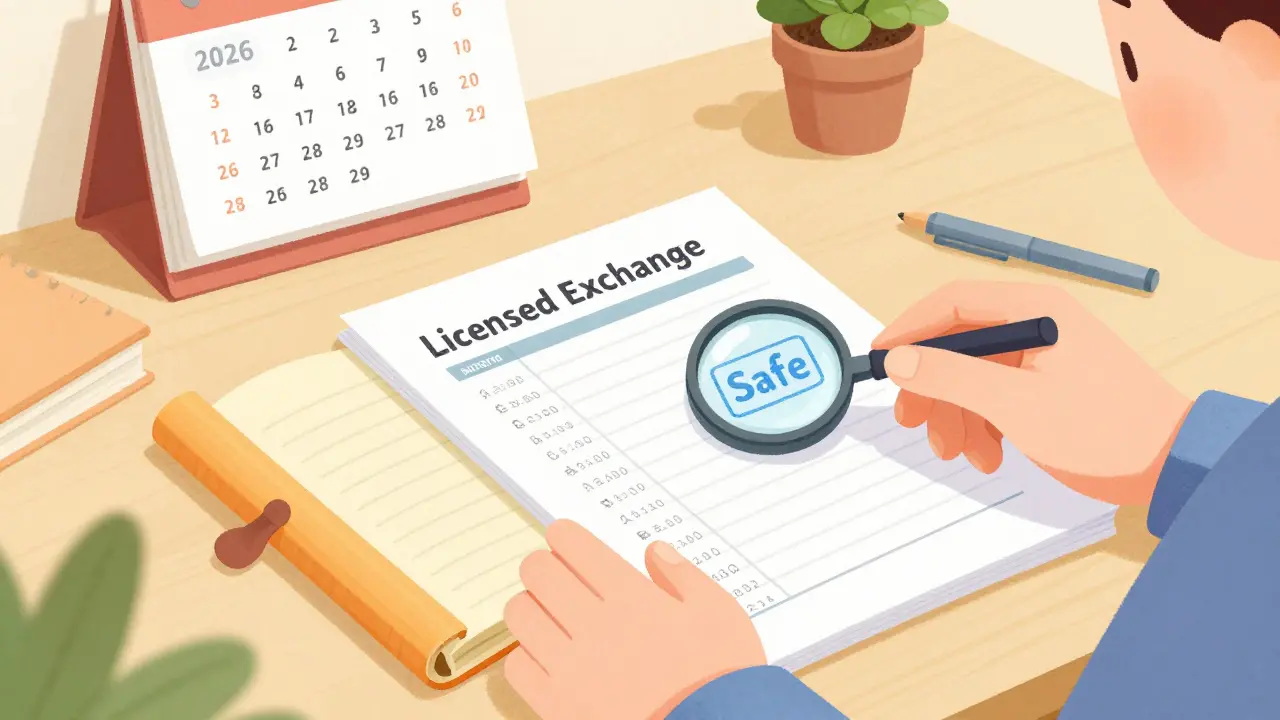
Another layer of complexity is taxation. The Federal Inland Revenue Service (FIRS) has stated that cryptocurrency transactions are taxable as capital gains. While Nigeria currently lacks specific tax law dedicated solely to cryptocurrencies, the government plans to introduce comprehensive regulations through proposed Finance Bills. These bills aim to align Nigeria’s crypto taxation with international norms.
Once these frameworks are fully implemented, banks may be required to report crypto-to-fiat withdrawals to tax authorities. This means large or frequent withdrawals could trigger tax investigations. To prepare, keep detailed records of all your crypto purchases, sales, and holdings. Be ready to provide proof of cost basis and capital gains calculations if requested by your bank or tax officials. Ignoring potential tax liabilities is a fast track to account complications.
Best Practices for Safe Crypto Withdrawals
Navigating the Nigerian crypto banking environment requires discipline. Here are actionable steps to minimize friction and protect your accounts:
- Use Only SEC-Licensed Exchanges: Stick to platforms like Luno that are explicitly approved by the SEC. Avoid unlicensed international platforms for direct bank withdrawals. If you must use them, consider converting to stablecoins first and then moving to a licensed platform for the final fiat conversion.
- Maintain Clean Banking Patterns: Do not make sudden, large withdrawals that deviate from your normal spending habits. Gradually increase withdrawal amounts over time to establish a pattern of legitimacy.
- Diversify Banking Relationships: Do not rely on a single bank for all your crypto activities. If one bank decides to exit crypto services or freezes your account pending investigation, you will have backup access to your funds through other institutions.
- Keep Comprehensive Records: Save screenshots of trades, deposit confirmations, and withdrawal receipts. Maintain a spreadsheet tracking the date, amount, and value of every crypto transaction. This documentation is your best defense against false accusations of money laundering.
- Avoid Off-Platform P2P: Never conduct P2P trades outside of licensed platforms. Direct transfers from unknown individuals to your bank account are highly susceptible to being flagged as illicit funds. Always use the escrow and verification systems provided by reputable exchanges.
The Nigerian crypto banking environment is a work in progress. Regulations continue to evolve, and enforcement actions remain aggressive. Banks view their role as protecting the integrity of the financial system, not facilitating unrestricted crypto trading. By staying compliant, using licensed platforms, and maintaining transparent records, you can safely withdraw crypto to fiat in Nigeria. Remember, the goal is not just to move money, but to do so in a way that withstands regulatory scrutiny.
Can I withdraw cash from my bank account after selling crypto?
No. Nigerian banks explicitly prohibit cash withdrawals from accounts receiving funds from cryptocurrency sales. All transactions must be conducted through electronic banking channels to ensure a clear audit trail for AML compliance.
Which crypto exchanges are safe to use for bank withdrawals in Nigeria?
You should use only exchanges licensed by the Securities and Exchange Commission (SEC). As of 2026, Luno is a prominent example of a licensed platform that supports direct Naira withdrawals to Nigerian bank accounts. Using unlicensed platforms increases the risk of account freezing.
Why did the EFCC freeze bank accounts linked to crypto?
The EFCC freezes accounts suspected of money laundering, market manipulation, or operating outside the regulatory framework. In 2024, they froze accounts linked to unlicensed USDT sellers alleging exchange rate manipulation. Banks comply with these orders immediately.
Do Nigerian banks charge extra fees for crypto withdrawals?
Banks typically apply standard transaction fees for electronic transfers. However, some may impose hidden costs through stricter transaction limits or delayed processing times for crypto-related accounts. Always check your bank's specific policy on VASP transactions.
Is crypto trading legal in Nigeria in 2026?
Yes. The Investments and Securities Act (ISA) 2025 officially recognizes digital assets as securities. However, trading must occur through SEC-licensed platforms, and banks enforce strict AML/KYC rules to prevent illicit activities.
What happens if my bank account is frozen due to crypto activity?
If your account is frozen, contact your bank immediately to understand the reason. If it is due to EFCC investigation, you may need to provide extensive documentation proving the legitimacy of your funds. Legal assistance may be required to resolve severe cases involving asset seizures.
Are crypto profits taxed in Nigeria?
Yes, the Federal Inland Revenue Service (FIRS) treats crypto profits as capital gains. While specific laws are still evolving, you should anticipate reporting requirements and potential taxes on your earnings. Keep detailed records for tax purposes.
Comments
Bill Gunn
Finally some clarity on this mess. I've been watching the Nigerian market from afar and it's wild how fast things changed after that 2023 ban lift. The part about Luno being the safe harbor makes total sense because they actually have their ducks in a row with the SEC. Most people still don't realize that using Binance P2P for direct bank deposits is basically playing Russian roulette with your account right now. You gotta stick to the licensed routes if you want to sleep at night. 🙌
June 2, 2026 AT 12:48
Edith Mair
Wait, so if I use an unlicensed platform like KuCoin and sell USDT to a random buyer who sends me Naira, my bank can just freeze everything? That sounds incredibly aggressive for a legitimate transaction between two consenting adults. Isn't that violating basic property rights? I need to understand exactly where the line is drawn because 'suspicious activity' is such a vague term.
June 3, 2026 AT 16:51
Christina Pearce
I totally get why Edith is asking that question. It feels like the banks are overreaching sometimes. But honestly, if you look at the EFCC freezes mentioned in the article, those accounts were moving millions in suspicious patterns. If you're just doing small, consistent trades on a licensed exchange, you should be fine. It's really about not trying to outsmart the system. Just keep your records clean and use Luno or other approved platforms. Peace of mind is worth the slight hassle of switching exchanges.
June 4, 2026 AT 04:14
Sam Dashti
Look, let's cut the fluff here. The game has changed. You think you're clever using P2P to bypass limits? You're not. The algorithms are smarter than you. They see the velocity of money coming into your account from strangers. It’s a red flag screaming 'money laundering' even if you’re just trading Bitcoin for lunch money. Stick to the white hat methods. Use the licensed rails. Don’t be a hero. The EFCC doesn’t care about your portfolio gains when they’re auditing your life savings.
June 5, 2026 AT 03:51
Miss Masquer
It is fascinating to observe how regulatory frameworks evolve in emerging markets, particularly when one considers the historical context of financial repression versus modern digital asset adoption. In many jurisdictions, there is a tendency for authorities to react with heavy-handed measures initially, only to refine their approach as the technology matures and the economic benefits become undeniable. For instance, in Canada, we have seen a similar trajectory where initial skepticism gave way to structured oversight, allowing for greater consumer protection without stifling innovation. The key takeaway here is that compliance is not merely a bureaucratic hurdle but a necessary component of integrating decentralized finance into the traditional banking ecosystem, ensuring that users are protected from both fraud and arbitrary enforcement actions by state agencies.
June 5, 2026 AT 10:33
Joshua Alcover
The epistemological crisis within the Nigerian financial sector regarding virtual assets necessitates a rigorous adherence to statutory mandates as outlined in the ISA 2025. One must recognize that the sovereign state retains ultimate jurisdiction over monetary policy and capital controls, rendering any attempt to circumvent these structures via unregulated VASPs not only legally precarious but morally indefensible in the face of national security interests. The dichotomy between licensed entities and rogue operators is not merely administrative but ontological; the former exist within the social contract while the latter operate in a shadow economy that undermines the very fabric of our financial sovereignty.
June 5, 2026 AT 20:53
Diana Morris
stop worrying about the philosophy and start protecting your bag. if you dont follow the rules you lose. simple as that. no cash withdrawals means no cash withdrawals. keep it electronic. keep it documented. keep it legal. dont give them a reason to touch your account.
June 6, 2026 AT 03:28
Dianne Wright
you guys are acting like this is new news. i told everyone last year that p2p was going to get cracked down on. nobody listened. now you see what happens when you ignore the signs. its always the same story people think they can beat the system until the system beats them. save your receipts or cry later.
June 6, 2026 AT 04:37
trisya hazriyana
oh sure lets just pretend the banks are benevolent guardians of our wealth. please. they are profit-driven entities that will happily freeze your assets if it saves them from a regulatory fine. the sarcasm is palpable when they claim they are protecting the integrity of the financial system while charging exorbitant fees for basic transfers. wake up. the system is rigged against the little guy unless you know exactly how to navigate the loopholes without triggering the automated compliance bots.
June 8, 2026 AT 02:03
Eric Grosso
i mean its kinda scary how much power the efcc has. one day u r trading bitcoin next day ur account is frozen for months. hope ppl are keeping good records cause that spreadsheet tip is gold. also luno seems like the only real option left if u want to sleep well at night.
June 8, 2026 AT 18:41
lorna erni
Let's not forget that diversity in banking relationships is crucial! If you put all your crypto eggs in one basket, you're setting yourself up for failure. Open accounts with different banks, maybe even fintech apps that are more crypto-friendly. This way, if one bank decides to play hardball, you still have access to your funds. It's about building resilience in your financial strategy. Stay proactive, stay diversified, and stay compliant!
June 9, 2026 AT 02:03
stalin brian
hey guys just wanted to add that i heard some fintechs like palm pay or opay are handling crypto withdrawals better than the big traditional banks like gtbank or access bank. not saying its perfect but they seem less likely to freeze you instantly if you keep amounts reasonable. just sharing what ive heard from friends in lagos. do your own research tho.
June 10, 2026 AT 10:02
kamal ifrani
This entire article reeks of corporate apologia. The real issue is that the Nigerian government is desperate to control every naira that moves across borders. Crypto was supposed to be the great equalizer, the tool that freed people from predatory banking systems. Now we have it regulated into submission. And don't get me started on the tax implications. They want to tax gains on assets that fluctuate wildly? It's absurd. The moral bankruptcy of expecting citizens to comply with such oppressive measures is staggering.
June 10, 2026 AT 10:57
saradee dee
Oh my goodness, Kamal, you are so dramatic! 😱 But seriously, I think we need to find a middle ground. Yes, regulations can feel heavy, but imagine if your account was hacked or someone stole your identity? Having some oversight protects us too. It's not all bad. We just need to learn how to work within the rules. Let's try to be positive and focus on the solutions rather than just complaining about the problems. 💖
June 12, 2026 AT 01:54
Craig Swanson
Listen up folks. I've been in the finance game for decades and I can tell you that compliance is king. If you are operating in Nigeria, you better respect the local laws. The EFCC is not a joke. They have resources and they have mandate. Do not test them. Use licensed exchanges. Keep your documentation pristine. Diversify your banks. These are not suggestions, they are survival tactics. Protect your wealth by being smart, not reckless.
June 13, 2026 AT 13:19
Dana Rapoport
There is a philosophical dimension to this discussion that often goes unnoticed. The tension between individual liberty and collective security is at the heart of these regulations. While some argue that crypto offers freedom from state control, the reality is that integration into the fiat system requires submission to state authority. This is not necessarily a negative outcome if the state acts in the best interest of its citizens. However, it demands vigilance and active participation from users to ensure that their rights are respected within this new framework.
June 13, 2026 AT 13:30
Hadleigh Edwards
I remain optimistic about the future of digital assets in Africa despite these hurdles. History shows that innovation always finds a way to overcome regulatory barriers. The fact that Nigeria has moved from an outright ban to a regulated framework is a significant step forward. It demonstrates a willingness to adapt and engage with global trends. As long as users educate themselves and adhere to the guidelines, the potential for growth and financial inclusion remains immense. We are witnessing the birth of a new financial era, and patience will be rewarded.
June 15, 2026 AT 10:12
mark valmart
man i just wish it was easier. i hate filling out all these forms and verifying my identity twice. once for the exchange and once for the bank. feels like too much friction. but i guess thats the price of safety these days. just hope my withdrawal goes through smoothly this time.
June 16, 2026 AT 03:51
Crystal Davis
The analysis provided in the post is superficial at best. It fails to address the underlying structural weaknesses in the Nigerian banking infrastructure that make them susceptible to crypto-related risks. Furthermore, the assumption that licensed exchanges are inherently safe is flawed. Regulatory capture is a real phenomenon, and licenses can be revoked or ignored if political winds change. Users would be wise to maintain offshore holdings and minimize exposure to domestic fiat conversion channels whenever possible.
June 17, 2026 AT 19:02
Barclay Chantel
How utterly tedious. One expects a higher level of sophistication from readers of such articles. The notion that a mere blog post can encapsulate the complexities of international financial regulation is laughable. Clearly, the author lacks a deep understanding of the geopolitical forces at play. For those who truly comprehend the nuances of global capital flows, this information is redundant. For the rest, it is dangerously simplistic.
June 19, 2026 AT 08:13
Debbie Lewis
I'm just watching from the sidelines. It's interesting to see how quickly opinions shift based on new regulations. Some people are angry, others are relieved. I suppose as long as the system works for most people, it's okay. I'll stick to my traditional investments for now. Too much drama around crypto for my taste.
June 19, 2026 AT 08:35
Joe Clements
Hey everyone, just wanted to say thanks for sharing these insights. It's really helpful to hear different perspectives. I'm new to this whole crypto thing in Nigeria and it's definitely overwhelming. But reading your comments makes me feel like I'm not alone in this journey. Let's keep supporting each other and staying informed. 😊
June 19, 2026 AT 14:42
Rosie Morris
honestly im just glad its legal now. used to be so stressful wondering if my account would vanish overnight. now i can at least plan ahead. gonna start using luno like everyone said. hope it works out for me too. fingers crossed.
June 20, 2026 AT 23:01