
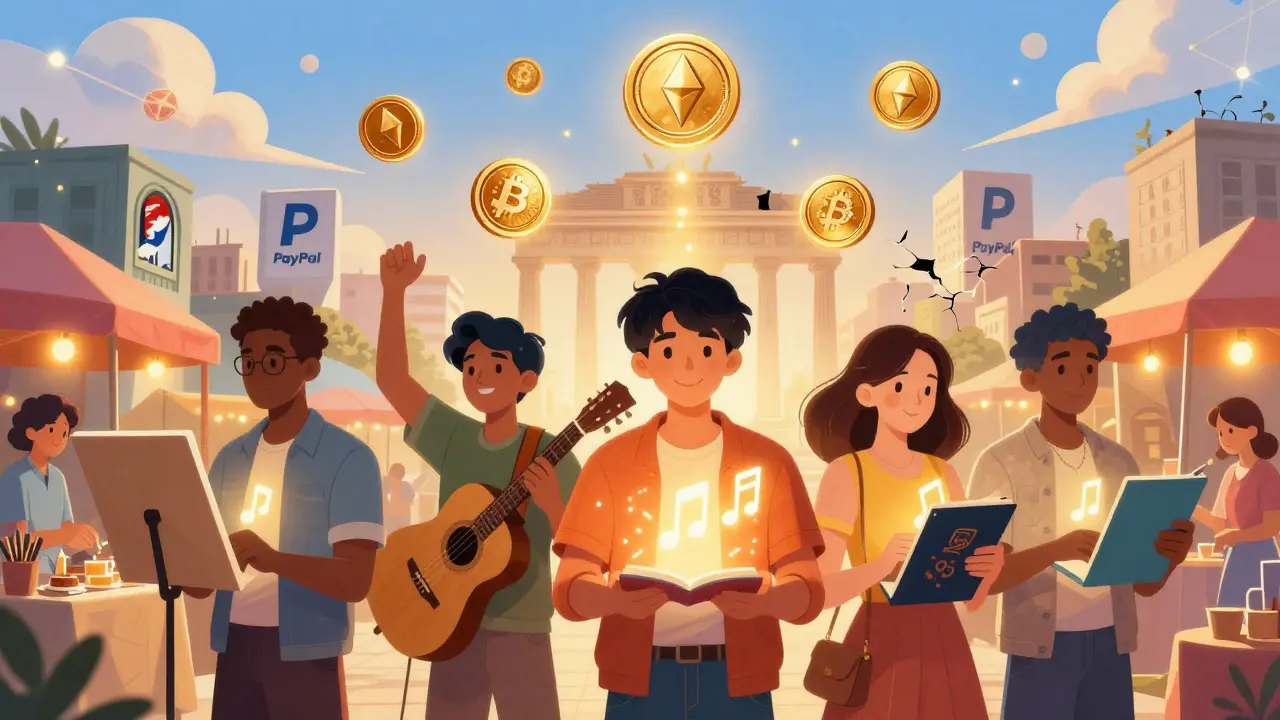
Before cryptocurrency, creators had to beg for a slice of the pie. YouTube took 45% of ad revenue. Patreon charged up to 12% just to collect money. PayPal froze accounts from Nigeria, Kenya, and Brazil without warning. Banks refused to process payments from “high-risk” countries. If you made art, music, videos, or writing - and you weren’t based in the U.S. or Western Europe - you were stuck with slow, expensive, and unreliable ways to get paid.
Crypto Lets Creators Get Paid Directly
Cryptocurrency changes that. No middlemen. No bank approvals. No 30-day waiting periods. When a fan in Tokyo buys your digital artwork for 0.1 ETH, the money lands in your wallet in under 30 seconds. No one holds it hostage. No one takes 40% off the top. You keep 95% or more - depending on the platform. Platforms like Zora and Foundation let creators mint their work as NFTs and sell directly to fans. Zora has processed over 1.5 million creator tokens and moved $420 million in sales as of 2025. And here’s the kicker: Zora gives back 50% of all trading fees to creators. Compare that to YouTube’s 45% cut or Patreon’s 5-12% fee plus payment processing costs. Crypto doesn’t just cut fees - it flips the power structure.Global Reach, No Borders
A creator in Lagos can sell a song to a listener in Berlin without dealing with currency conversion, wire fees, or banking restrictions. In 2025, 60% of creators in Nigeria use cryptocurrency to receive payments, according to BairesDev. Why? Because traditional services like PayPal and Wise either block them entirely or charge 15% in hidden fees. The same is true in Jakarta, São Paulo, and Mumbai. Africa’s creator economy hit $5 billion in early 2025 and is projected to hit $30 billion by 2032 - not because of better internet, but because of crypto. Blockchain doesn’t care if you have a bank account. All you need is a smartphone and a wallet. Stablecoins like USDC and USDT make this even easier. They’re tied to the U.S. dollar, so they don’t swing wildly in price like Bitcoin. Coinbase Institute found that 85% of all creator payments in crypto are made in stablecoins. That means you get paid in something predictable - not gambling on whether Ethereum will go up 20% before you cash out.Ownership, Not Renting
On Instagram or TikTok, your audience isn’t yours. The platform owns your followers. They change the algorithm, you lose reach. You post content, they monetize it, and you get crumbs. Crypto changes that. With decentralized social platforms like Lens Protocol or Farcaster, your profile, followers, and content live on the blockchain. You own them. You can move them. If you leave one app, your audience comes with you. That’s something no YouTube channel or Instagram account can do. Dr. Jane Chen from MIT put it perfectly: “Blockchain enables creators to own their audience relationships rather than renting them from platforms.” You’re not a tenant. You’re the homeowner.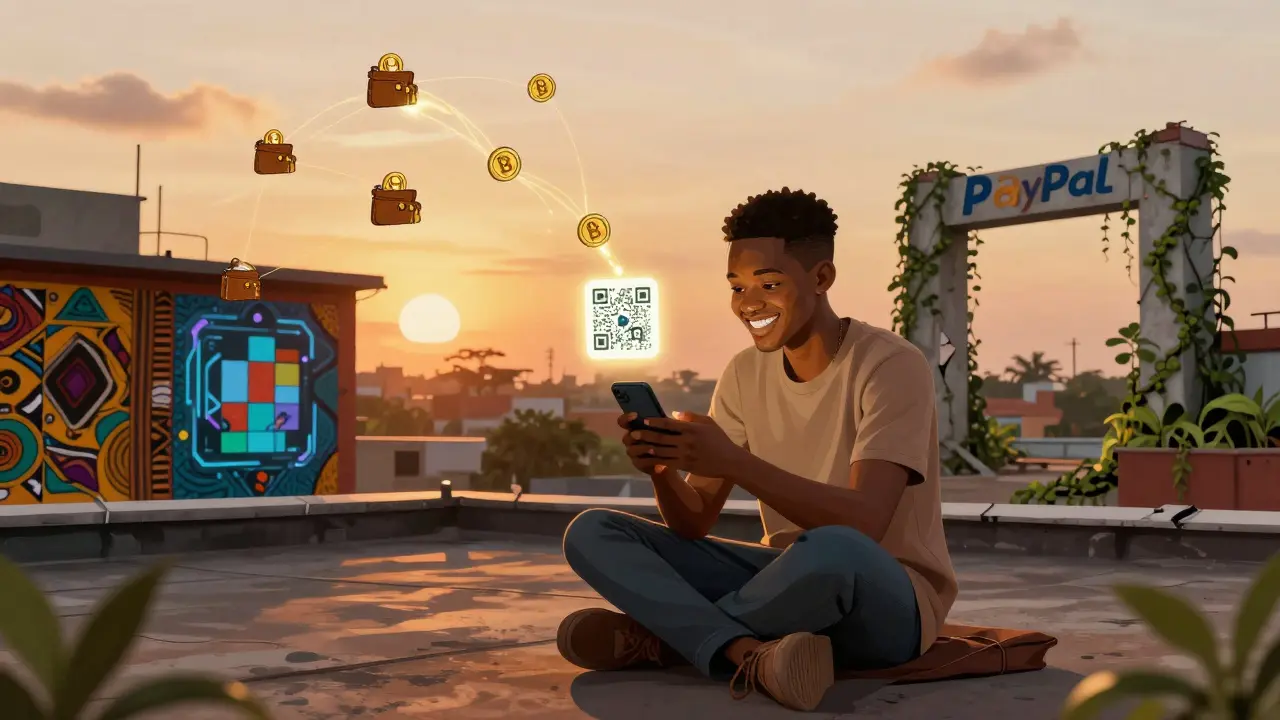
Real Examples: How Creators Are Winning
@DigitalDewi, a digital artist from Jakarta, switched from PayPal to crypto payments in 2024. She used to lose 4.5% to PayPal fees, plus $0.30 per transaction, and had to pay Indonesia’s 11% VAT on foreign income. After switching to USDC payments via Coinbase Commerce, her take-home pay jumped 37%. She didn’t need to post more content. She just stopped losing money to middlemen. A music producer in Nairobi started accepting crypto from clients in the U.S. and Canada. He used to wait 10 business days for PayPal to clear payments. Sometimes, his account got frozen. Now, he gets paid in 15 minutes. He says: “I can pay my studio rent on time. I can buy new gear. I don’t have to beg for money anymore.”It’s Not Perfect - Here’s What Still Breaks
Crypto isn’t magic. It has real problems. First, wallets are confusing. If you send ETH to the wrong address, it’s gone forever. Reddit user u/MusicProducerMax lost $6,250 that way. There’s no “contact support” button. No refund. You made a mistake - and the blockchain doesn’t forgive. Second, customer support is weak. Coinbase Commerce has 24/7 chat and responds in 8 minutes on average. But decentralized platforms like Lens Protocol? You’re on your own. Support can take days. Most creators don’t have time for that. Third, taxes are a mess. 42% of creators say they’re confused about how to report crypto income. In some countries, even receiving crypto counts as taxable income - even if you immediately convert it to dollars. Fourth, regulators are watching. In India, crypto payments are restricted. In Europe, banks have frozen accounts of creators who received ETH. u/ArtBySophie from Germany said: “My bank froze my account after I got €2,000 in ETH. I spent three months proving I wasn’t laundering money. Not worth it.”Getting Started Is Easier Than You Think
You don’t need to be a coder. You don’t need to understand blockchain. Here’s how to start in 2026:- Download a wallet: MetaMask (used by 63% of creators) or Coinbase Wallet.
- Connect it to a payment tool: Coinbase Commerce or Zora.
- Add a “Pay with Crypto” button to your website or Linktree.
- Turn on auto-conversion to USDC: Most platforms now do this by default.
- Explain it simply to fans: “You can support me with crypto - it’s faster and cheaper than PayPal.”
What’s Next? The Future Is Hybrid
Crypto won’t kill PayPal or Stripe. But it will become a standard option - especially for creators outside the U.S. and Europe. Patreon plans to add stablecoin payouts by Q1 2026. Shopify now lets you accept crypto payments on your store. Ethereum’s Dencun upgrade, launching late 2025, will slash transaction fees by 90% for creator-focused layer-2 networks. Gartner predicts 65% of professional creators will accept crypto by 2027. Why? Because the math is undeniable. For creators in emerging markets, crypto isn’t a trend - it’s survival.Who Benefits the Most?
The biggest winners are creators who were left out before:- Artists in countries with capital controls (Nigeria, Argentina, Turkey)
- Independent musicians who can’t get signed to labels
- Writers who self-publish and need direct fan support
- Teachers, coaches, and therapists who offer digital content
- Any creator earning $500-$5,000/month who’s tired of losing 10-15% to fees
Final Thought: It’s About Freedom
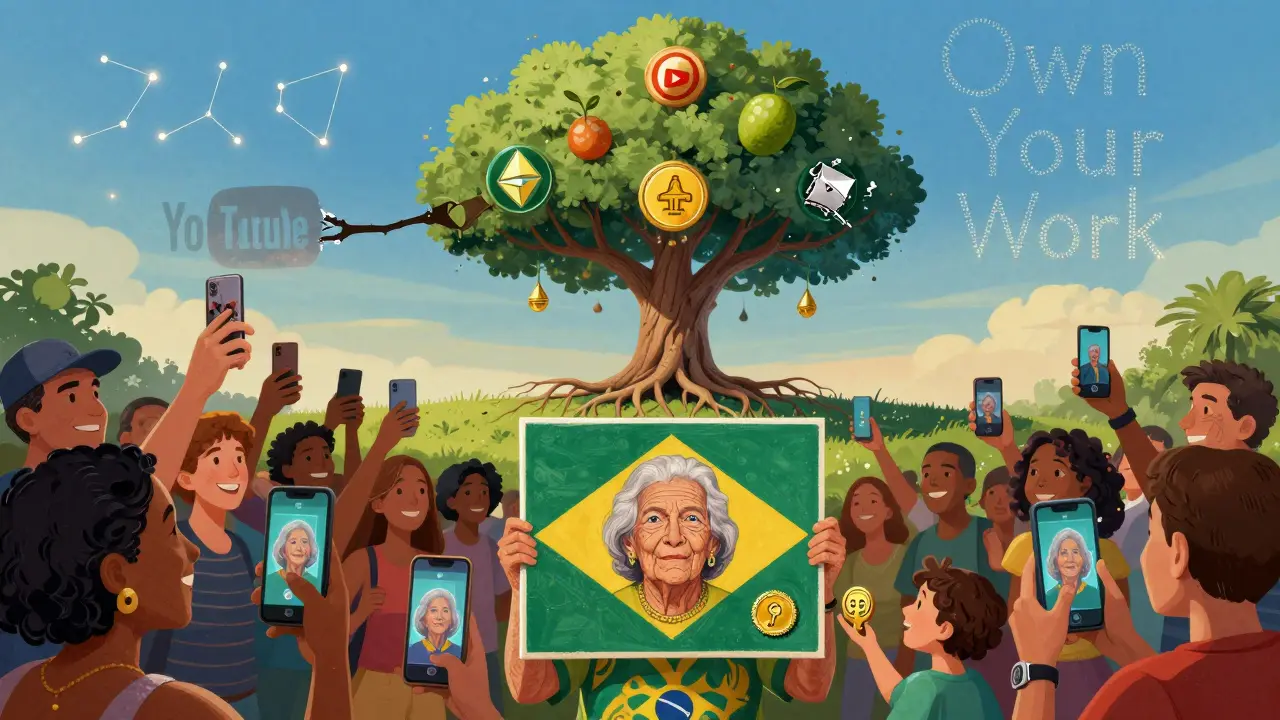
Cryptocurrency doesn’t just change how creators get paid. It changes who gets to be a creator. Before, you needed a bank account, a credit card, a U.S. address, or a corporate sponsor. Now, all you need is talent, a phone, and a willingness to try something new. The creator economy is growing to $480 billion by 2027. But the real growth isn’t in the numbers - it’s in the people. A 19-year-old in Lagos can now build a global audience and get paid like a pro. A grandmother in Brazil can sell her paintings to collectors in Canada without a middleman. A poet in Manila can fund her next book with 500 fans paying $5 each in USDC. That’s not innovation. That’s liberation.Can I really get paid in crypto without a bank account?
Yes. All you need is a smartphone and a non-custodial wallet like MetaMask or Coinbase Wallet. You don’t need a bank, credit card, or government ID. Crypto payments work anywhere with internet access - even in countries where banks block foreign payments. This is why creators in Nigeria, Kenya, and Indonesia are adopting crypto faster than anywhere else.
Is crypto too volatile for creators to use?
Not if you use stablecoins. USDC and USDT are digital dollars tied 1:1 to the U.S. dollar. Over 85% of all creator payments in crypto are made in stablecoins. Most platforms like Coinbase Commerce and Zora automatically convert incoming crypto into USDC within seconds, so you never hold volatile assets unless you want to. You get paid in something stable - just without the bank fees.
What if I lose my wallet or private key?
If you lose your private key or seed phrase, there’s no way to recover your funds. Crypto wallets are self-custodial - meaning you’re the bank. That’s the trade-off for freedom. Always write down your 12- or 24-word recovery phrase on paper, store it in a safe place, and never share it. Never store it digitally. Most losses happen because people screenshot their seed phrase or save it in a cloud note.
How do I explain crypto payments to my fans?
Keep it simple. Say: “You can support me with crypto - it’s faster and cheaper than PayPal. Just scan this QR code or click the button, send a small amount of USDC, and you’re done. No fees, no waiting.” Most fans just want to support you. If you make it easy, they’ll do it. Many creators use tools like Coinbase’s “Pay with Crypto” button that auto-generates a simple payment link.
Do I need to pay taxes on crypto payments?
Yes. In most countries, receiving crypto is treated as income. Even if you immediately convert it to dollars, you still owe taxes on the value at the time you received it. Use tools like Koinly or CoinTracker to track your transactions. Many creators hire accountants who specialize in crypto. Ignoring taxes can lead to penalties - so don’t assume it’s “free money.”
Will platforms like YouTube or Patreon ever accept crypto?
Patreon announced plans to add stablecoin payouts by Q1 2026. YouTube hasn’t confirmed anything yet, but Coinbase and Shopify are already integrating crypto into creator tools. The trend is clear: traditional platforms are being pressured to offer crypto because creators are leaving for better options. Expect more platforms to follow - not because they want to, but because their users demand it.
Comments
Caitlin Colwell
I just paid a friend in Nigeria $20 in USDC for her digital art. No fees, no waiting. She got it in 20 seconds. I didn't even need to ask her bank details. That's it.
January 5, 2026 AT 12:22
Charlotte Parker
Oh wow, another crypto cultist with a PowerPoint on liberation. You think owning your audience is magic? You still need to make something people want. And guess what? The platform still owns the algorithm. You're just renting from a blockchain landlord now.
January 6, 2026 AT 11:14
Calen Adams
This is the future, period. Web3 isn't hype-it's infrastructure. Zora's fee structure alone is a paradigm shift. 50% of trading fees back to creators? That's not a feature, it's a revolution. And stablecoins? That's the real MVP. No more gambling on ETH flips. Just pay, get paid, move on. This isn't speculative-it's operational.
January 8, 2026 AT 10:59
Michael Richardson
So you're telling me we should ditch the dollar because some guy in Lagos can sell a JPEG? We're becoming a third-world crypto colony. The U.S. built the internet. We don't need to beg for payments from a blockchain that doesn't even have a customer service line.
January 8, 2026 AT 23:45
Sabbra Ziro
I love how this post acknowledges the risks-wallet loss, taxes, lack of support-but still frames it as liberation. That’s so important. We need to celebrate the empowerment, but also warn people: this isn’t magic. It’s responsibility. Please, if you’re new, write down your seed phrase. On paper. In a safe. Not in Notes. Not in iCloud. Please.
January 10, 2026 AT 20:18
Dave Lite
Just set up my Coinbase Commerce link yesterday. Added it to my Linktree. Got my first USDC payment 4 hours later from a guy in Poland. Dude didn’t even leave a message. Just sent 0.5 USDC for my pixel art. Felt like I’d won the lottery. 🚀 Also, auto-conversion to USD? Yes. Please. Don’t make me think about gas fees.
January 11, 2026 AT 08:21
jim carry
You say ‘freedom’ but you’re just replacing the bank with a decentralized mob that can’t be appealed. If you mess up, you’re dead. No one cares. No one helps. You think that’s liberation? It’s just feudalism with more tech jargon.
January 11, 2026 AT 12:28
Katrina Recto
I used to get my payments delayed for weeks because my bank flagged me as ‘high risk’. Now I get paid in USDC within minutes. No one freezes me. No one asks for my ID. I don’t owe anyone an explanation. This isn’t a trend. It’s dignity.
January 12, 2026 AT 06:41
Tre Smith
Let’s analyze the data. Zora’s $420M in sales? That’s 0.08% of global digital content revenue. 85% stablecoin usage? That’s still 15% volatile. 65% adoption by 2027? Gartner’s predictions are often inflated. This is a niche solution for a niche problem. The real issue is financial inclusion, not blockchain.
January 14, 2026 AT 05:08
Ritu Singh
Crypto is the new globalist agenda to erase national currencies and put control in the hands of tech elites who own the nodes. The USDC is just the dollar in disguise. They want you to think you’re free but you’re just paying in a different chain. The banks are just the old guard. The blockchain is the new one. Same cage. New lock.
January 14, 2026 AT 09:34
Gideon Kavali
I’m sorry, but if you’re proud of bypassing your country’s financial regulations because you’re too lazy to use a bank, you’re not a creator-you’re a tax dodger. Crypto is a loophole for people who don’t want to play by the rules. And that’s not empowerment. That’s evasion.
January 14, 2026 AT 19:59
Allen Dometita
My cousin in Kenya got paid in crypto for tutoring online. She bought her first laptop with it. No bank. No drama. Just bought it. I didn’t believe it until I saw her screenshot. Now I’m setting mine up. Simple. Fast. No BS. 😊
January 15, 2026 AT 03:26
greg greg
I’ve been tracking the adoption curve of crypto payments among independent creators since 2022. The inflection point was Q3 2024, right after the Ethereum Dencun upgrade. What’s interesting is the correlation between wallet adoption and geographic regions with high inflation rates-Nigeria, Argentina, Turkey. The data shows a 72% increase in monthly active creator wallets in those regions between Q3 2024 and Q1 2025. But what’s often ignored is the churn rate: 41% of new users abandon their wallets within 90 days due to UX friction, especially in low-literacy markets. The infrastructure is improving, but the onboarding is still broken. Most creators don’t need DeFi-they need a button that says ‘get paid’ without explaining Merkle trees.
January 16, 2026 AT 17:08
LeeAnn Herker
Oh sure, let’s just let anyone with a phone ‘own’ their work. Meanwhile, the same people who are screaming about ‘freedom’ are the ones who can’t even spell ‘blockchain’ right. And now we’re supposed to trust a system where your life’s work can vanish if you mistype 12 letters? And you call that liberation? I’ll stick with PayPal. At least I can yell at a human when they freeze my account.
January 17, 2026 AT 18:26
Sherry Giles
Crypto is a tool. It’s not a religion. You don’t need to worship it. You don’t need to hate it. Just use it if it helps. If you’re in a country where banks screw you, why wouldn’t you? I’m Canadian. I’ve got a bank. I don’t need it. But I know people who do. And they’re not fools. They’re just tired of being treated like second-class citizens. If crypto gives them a shot? Let them have it.
January 18, 2026 AT 04:27