
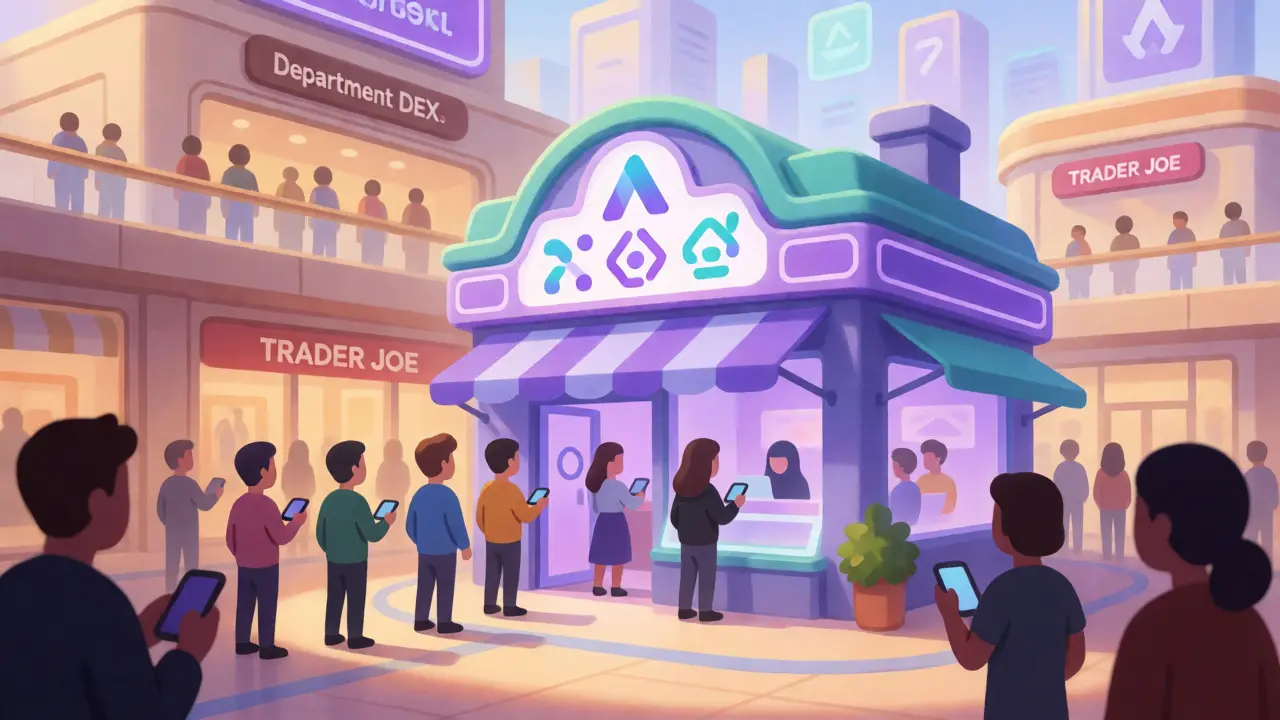
Ever tried swapping tokens for a gaming NFT and ended up paying more in gas fees than the item was worth? Or maybe you got stuck trying to figure out how to move assets between a centralized exchange and a niche blockchain game? If you are deep into the HakuSwap ecosystem or just hearing about it, you know the struggle. It’s not your typical trading platform where you just click "Buy" with a credit card. This is a specialized tool built for a specific crowd: gamers, metaverse enthusiasts, and those who want to earn while they play on the Avalanche network.
So, what exactly is this thing? Is it worth your time, or is it just another ghost town on the blockchain? Let’s cut through the noise. We aren’t looking at broad market cap charts here. We are looking at utility, user experience, and whether HakuSwap actually delivers on its promise of being the premier hub for gaming DeFi on Avalanche.
What Is HakuSwap and Who Is It For?
HakuSwap is a decentralized exchange (DEX) operating on the Avalanche C-Chain that uses an Automated Market Maker (AMM) model. Unlike giants like Binance or Coinbase, you don’t create an account with an email and password. You connect your wallet, keep your keys, and trade directly from your own funds. The platform launched around 2021, riding the wave of the initial Avalanche hype, but it carved out a very specific lane. While other DEXs like Trader Joe try to be everything to everyone, HakuSwap focuses heavily on the intersection of finance and fun-specifically play-to-earn games and Metaverse applications.
Think of it as a specialized marketplace within a larger mall. If Trader Joe is the main department store selling everything from stocks to stablecoins, HakuSwap is the boutique shop next door that only sells rare gaming gear and exclusive tokens used in virtual worlds. Its native token, HAKU, serves two main jobs: governance (letting holders vote on changes) and utility (paying for certain features or getting discounts).
Who should care? If you are already playing games on Avalanche or investing in Metaverse projects, HakuSwap might be your go-to spot. But if you are a beginner who just wants to buy Bitcoin with a debit card, this isn’t for you. The learning curve is steeper because you need to understand wallets, gas fees, and smart contract interactions before you can even make your first swap.
The Technical Backbone: Why Avalanche?
You might wonder, why build a DEX on Avalanche instead of Ethereum or Solana? The answer lies in speed and cost. Avalanche offers high throughput-around 4,500 transactions per second-and sub-second finality. In plain English, that means trades settle almost instantly, and fees stay low enough that swapping small amounts doesn’t eat all your profit. This is critical for gaming ecosystems where users might need to make multiple small transactions quickly.
HakuSwap leverages this infrastructure by using standard AMM mechanics. When you provide liquidity (more on that later), you are essentially putting your tokens into a pool that others use to trade. You earn a portion of the trading fees in return. The platform integrates seamlessly with popular wallets like MetaMask and Trust Wallet, provided they support the Avalanche network. You’ll need AVAX tokens in your wallet to pay for gas fees, which is a common requirement across most Avalanche apps.
| Feature | HakuSwap (DEX) | Trader Joe (General DEX) | Kraken (CEX) |
|---|---|---|---|
| Custody of Funds | User-held (Self-custody) | User-held (Self-custody) | Exchange-held |
| Primary Focus | Gaming & Metaverse | General Trading | Fiat On-ramps & Broad Markets |
| Regulatory Status | Gray Area (Protocol-based) | Gray Area (Protocol-based) | Regulated (e.g., SEC settlement) |
| Customer Support | Community/Discord | Community/Discord | Direct Ticket System |
| Gas Fees | Low (AVAX based) | Low (AVAX based) | N/A (Trading fees apply) |
Key Features: More Than Just Swapping
If HakuSwap were just a place to swap Token A for Token B, it would be forgettable. What sets it apart is the suite of earning streams designed specifically for token holders and gamers. Here is what you can actually do on the platform:
- Liquidity Provision: Like any AMM, you can pair two tokens (e.g., AVAX and HAKU) and deposit them into a pool. You earn trading fees proportional to your share of the pool. However, beware of impermanent loss-a risk where the value of your deposited tokens drops compared to just holding them if prices shift dramatically.
- Staking Rewards: You can stake your HAKU tokens to earn more HAKU or other rewards. This locks up your tokens for a period, reducing circulating supply and potentially stabilizing the price.
- Gaming Integration: This is the big differentiator. HakuSwap partners with various play-to-earn games on Avalanche. Sometimes, you can use HAKU tokens to buy in-game items, access exclusive events, or get boosted rewards. It bridges the gap between pure finance and digital entertainment.
- Launchpad Access: Early investors and loyal users often get priority access to new token launches within the gaming ecosystem. This can be lucrative if you catch a project early, but risky if the project flops.
The platform’s interface is clean but functional. It doesn’t have the flashy animations of some newer Web3 sites, but it gets the job done. Connecting your wallet is straightforward, and the swap interface shows you expected slippage and price impact clearly. For gamers, seeing their portfolio linked to game-specific metrics adds a layer of engagement that generic exchanges lack.
Risks and Downsides You Can’t Ignore
No review is complete without talking about the risks. And with decentralized platforms, there are plenty. First, smart contract risk is real. If there’s a bug in HakuSwap’s code, hackers could drain the pools. While the protocol has been live since 2021, audits are essential, and you should always check if recent updates have been audited by reputable firms.
Second, liquidity depth can be an issue. Because HakuSwap targets a niche audience, some smaller gaming tokens might have thin liquidity. This means large swaps can suffer from high price impact-you end up getting less for your money than the market rate suggests. Always check the volume and liquidity pool size before making a big trade.
Third, there’s no safety net. If you send funds to the wrong address or fall for a phishing scam, there’s no customer support team to reverse the transaction. Unlike Kraken or Coinbase, which have regulatory protections and insurance mechanisms (depending on jurisdiction), HakuSwap operates in a permissionless environment. You are your own bank, which means full control but also full responsibility.
Finally, consider the regulatory uncertainty. While centralized exchanges face strict compliance rules, DeFi protocols operate in a gray area. Future regulations could impact how these platforms function, especially regarding tax reporting and KYC requirements for certain activities.

How to Get Started: A Quick Walkthrough
Ready to try it out? Here’s how to navigate the process without losing your shirt:
- Set Up Your Wallet: Install MetaMask or Trust Wallet. Add the Avalanche Network manually if it’s not listed. You’ll need the RPC URL, Chain ID (43114), and Symbol (AVAX).
- Fund Your Wallet: Buy AVAX on a centralized exchange like Coinbase or Binance, then withdraw it to your wallet address via the Avalanche C-Chain network. Never send via the Ethereum network unless specified, or you’ll lose your funds.
- Connect to HakuSwap: Go to the official HakuSwap website. Click "Connect Wallet." Approve the connection in your wallet popup.
- Make a Swap: Select the token you want to sell and the one you want to buy. Check the exchange rate and slippage tolerance (start with 0.5%-1%). Confirm the transaction in your wallet.
- Provide Liquidity (Optional): Navigate to the "Earn" or "Liquidity" tab. Choose a pair (e.g., AVAX/HAKU). Deposit equal values of both tokens. Confirm the transaction. You’ll receive LP tokens representing your share.
Tips: Start small. Test the waters with a $10 swap before committing hundreds. Keep an eye on gas fees; while Avalanche is cheap, network congestion can spike costs temporarily.
Final Verdict: Should You Use HakuSwap?
HakuSwap isn’t trying to replace your primary exchange. It’s a specialized tool for a specific purpose. If you are active in the Avalanche gaming ecosystem, it’s likely an essential part of your workflow. The integration with play-to-earn games and the ability to earn yield on gaming-related tokens makes it valuable for that demographic.
However, for the average investor looking for ease of use, fiat on-ramps, and robust customer support, traditional centralized exchanges remain superior. HakuSwap requires technical comfort and a tolerance for risk. It rewards those who understand the underlying technology and penalize those who rush in blindly.
In short: Use it if you’re a gamer or DeFi enthusiast on Avalanche. Skip it if you just want to buy crypto easily. The future of HakuSwap depends on the growth of the Metaverse sector-if gaming continues to boom, so will this niche DEX. Until then, it remains a powerful, albeit niche, player in the decentralized landscape.
Is HakuSwap safe to use?
HakuSwap is generally considered safe within the context of decentralized finance, relying on the security of the Avalanche blockchain. However, as with any DeFi protocol, there are inherent risks such as smart contract vulnerabilities and potential exploits. Users should verify they are on the correct official website to avoid phishing scams and ensure their wallet connections are secure.
Do I need a KYC account to use HakuSwap?
No, HakuSwap does not require Know Your Customer (KYC) verification. Since it is a decentralized exchange, you interact directly with the blockchain using your cryptocurrency wallet. There is no sign-up process involving personal identification documents, allowing for anonymous trading.
What is the HAKU token used for?
The HAKU token serves as the governance and utility token for the HakuSwap ecosystem. Holders can use it to vote on protocol changes, stake it to earn rewards, and sometimes access exclusive features or discounts within partnered gaming and Metaverse applications on the Avalanche network.
Can I buy crypto with a credit card on HakuSwap?
Generally, no. As a decentralized exchange, HakuSwap primarily facilitates crypto-to-crypto swaps. To acquire crypto for trading, you typically need to purchase AVAX or other supported tokens on a centralized exchange first and then transfer them to your Avalanche-compatible wallet.
What are the fees on HakuSwap?
HakuSwap charges a trading fee, typically around 0.3%, which is distributed to liquidity providers. Additionally, you must pay network gas fees in AVAX for every transaction you perform, including swaps and providing liquidity. These gas fees vary based on network congestion.