
If you've been hunting for the DOGGY airdrop, you've probably noticed something strange: the internet is full of dog-themed tokens, but actual, verified details on a "DOGGY" token distribution are surprisingly thin. In the world of crypto, naming collisions are common, and this is a prime example. Many people are confusing the DOGGY NFT project with the massive DOGS airdrop on Telegram or the DOG tokens on the Bitcoin network. Before you connect your wallet to any site promising free tokens, you need to know exactly what you're dealing with to avoid losing your assets.
First, let's clear up the biggest point of confusion. DOGGY is a collection of 10,000 unique, pixelated, generative non-fungible tokens (NFTs) known as Crypto Doggy. Unlike a traditional cryptocurrency token, this is an NFT project. As of recent market data, it has extremely low liquidity, often showing zero 24-hour trading volume and a price hovering around $0.0002177. Because it is structured as an NFT collection, it doesn't follow the same airdrop rules as a standard fungible token (like an ERC-20 token). You won't find a massive community distribution event for this specific project because its primary mechanism is minting and collecting unique digital art, not distributing a currency to millions of users.
The Great "Dog Coin" Confusion: DOGS vs. DOGGY
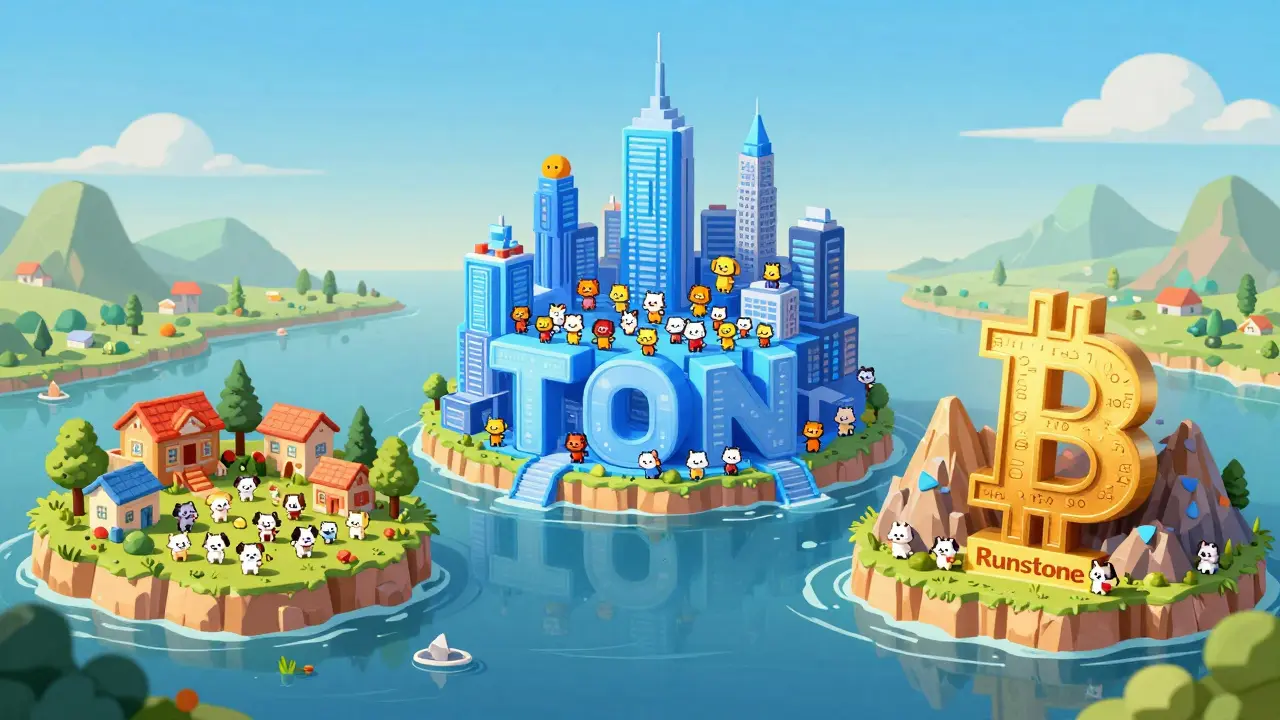
The reason you're likely searching for a DOGGY airdrop is that you might have heard about the DOGS token, which is a completely different animal. The DOGS project is a Telegram-native cryptocurrency built on the TON Blockchain (The Open Network). This wasn't just a small event; it was one of the biggest airdrops in history. By September 2024, they distributed over 380 billion tokens to more than 20.5 million users. The criteria for that airdrop were based on the age and activity of your Telegram account, not on holding a specific NFT.
Then there is the DOG•GO•TO•THE•MOON project. This one lives on the Bitcoin ecosystem using the Runes protocol. In April 2024, they airdropped 100 billion DOG tokens to holders of Runestone Ordinals. If you held a Runestone before block 840,249, you were eligible. This is a highly specialized distribution for Bitcoin power users, far removed from the pixelated DOGGY NFTs.
| Project Name | Type | Network | Primary Distribution | Scale |
|---|---|---|---|---|
| DOGGY | NFT Collection | Various | Minting/Sales | 10,000 Units |
| DOGS | Fungible Token | TON | Telegram Account Age | 20.5M+ Claimers |
| DOG•GO•TO•THE•MOON | Rune Token | Bitcoin | Runestone Holders | 75,000 Holders |
How to Spot Fake Airdrop Scams
When a project like DOGS becomes a viral hit, scammers create "clones" with similar names-like DOGGY or DOGE-X-to trick users. They know people are searching for "free tokens," and they use that curiosity as a weapon. If you see a website claiming there is a new DOGGY airdrop, ask yourself: Does this project have a verified Twitter account with real engagement? Is there a whitepaper explaining why they are giving away tokens? Is the trading volume on major exchanges active, or is it dead?
A classic red flag is the "Connect Wallet" trap. A scammer will tell you that you are eligible for a DOGGY airdrop, but you first need to connect your wallet and "approve" a transaction. In reality, you aren't approving a claim; you're giving the scammer permission to drain every single token and NFT from your wallet. Real airdrops usually require a claim process on a verified platform or are deposited directly into your wallet without requiring you to sign a suspicious contract approval.
Understanding NFT Distribution vs. Token Airdrops
Since DOGGY is primarily an NFT project, it's important to understand that NFT "airdrops" work differently. Instead of receiving 1,000 tokens, you might receive a secondary NFT or a "whitelist spot" for a future mint. For example, a project might airdrop a special accessory NFT to everyone who already holds a DOGGY pixel art piece. This is a reward for loyalty, not a way to generate quick cash from the general public.
If you are looking for the next big distribution, stop looking at dormant NFT collections and start looking at ecosystem growth. Projects on the TON blockchain or the Bitcoin Runes protocol are where the current activity is. The DOGS token, for instance, succeeded because it leveraged a massive existing user base (Telegram) rather than trying to build one from scratch with a vague name.
Checklist for Verifying Any Airdrop
Before you interact with any project claiming to be DOGGY or any other airdrop, run through this checklist:
- Cross-Reference the Contract Address: Check the official project documentation to ensure the token address matches.
- Verify Trading Volume: Use a tool like DexScreener or CoinGecko. If a project claims to be a "massive hit" but has $0 volume, it's likely a ghost project or a scam.
- Audit Social Proof: Look for organic growth. If a project has 50,000 followers but only 2 likes per post, those followers were bought.
- Avoid "Urgency" Tactics: Be wary of timers like "Only 2 hours left to claim!" These are designed to make you panic and skip the research phase.
- Use a Burner Wallet: Never connect your main holdings wallet to a new airdrop site. Use a secondary wallet with nothing but a small amount of gas money.
Is there a verified DOGGY airdrop running right now?
No. There is no verified, wide-scale token airdrop for the DOGGY NFT project. Most people searching for this are actually looking for the DOGS token on the TON blockchain or the DOG tokens from the Runestone airdrop on Bitcoin.
What is the difference between DOGGY and DOGS?
DOGGY is a pixelated NFT collection of 10,000 pieces with very low trading activity. DOGS is a massive fungible token project on the TON blockchain that distributed tokens to millions of Telegram users based on their account history.
How can I tell if an airdrop site is a scam?
Look for signs like requests for your seed phrase, requirements to "pay a gas fee" to unlock a huge reward, or prompts to sign a contract that gives "Unlimited Approval" to a random address. Legitimate airdrops will never ask for your private keys.
Did I miss the DOGS token airdrop?
Yes, the primary DOGS airdrop concluded in September 2024. However, the token is traded on various major exchanges, so you can still acquire it through traditional buying if you believe in the project's utility within the Telegram ecosystem.
What are Runestone Ordinals and how do they relate to dog tokens?
Runestone Ordinals are digital inscriptions on the Bitcoin blockchain. Holders of these inscriptions were eligible for the DOG•GO•TO•THE•MOON airdrop in April 2024, which distributed tokens via the Runes protocol.
Next Steps for Airdrop Hunters
If you're disappointed that there isn't a massive DOGGY giveaway, don't let that lead you into a trap. Instead, pivot your strategy toward emerging ecosystems. If you enjoy the Telegram integration, explore other TON-based projects. If you're interested in Bitcoin's evolution, look into the Runes protocol and upcoming Ordinals projects. The key to winning in airdrops isn't finding the "magic name"-it's about participating in early-stage, high-utility ecosystems before they go mainstream.
Comments
Amanda Faust
most people dont even know how to check a contract address on etherscan or solscan so they just blindly click links
April 14, 2026 AT 04:19
Lela Singh
Absolute goldmine of info! Stay sparkly and keep your assets safe, everyone! 🌟
April 15, 2026 AT 05:56
Prasanna Shembekar
im actually shaking right now because i almost clicked one of those fake links omg
April 15, 2026 AT 21:55
EDOZIEM MICHAEL
the pursuit of free wealth often blinds the soul to the obvious traps of the mind
April 16, 2026 AT 00:59
Jessie Tayaban
Omg i totally agree!! Its like so crazy how many fake projects there are out there... i almost fell for a similar one last monnth lol!
April 16, 2026 AT 14:16
Scott Fenton
I would strongly suggest that all users implement a hardware wallet for their primary assets to mitigate the risks associated with malicious smart contract approvals.
April 17, 2026 AT 19:25
Tracie and Matthew Hartley
pfft airdrops r basically just marketing gimmicks anyway who actually cares about pixelated dogs lol
April 18, 2026 AT 23:37
Hope Johnson
When we contemplate the nature of these digital distributions, we must recognize that the allure of "free" often stems from a deeply ingrained human desire for effortless abundance, which unfortunately creates a psychological vulnerability that bad actors are all too eager to exploit in the current unregulated landscape of decentralized finance. It is vital that we mentor the newcomers by teaching them not just the technical steps of verification, but the philosophical patience required to navigate a space where speed is often the enemy of security and a single impulsive click can erase years of careful accumulation.
April 20, 2026 AT 04:41
logan bates
Whatever. Just keep the US projects on top and stop worrying about some Telegram coin from overseas.
April 22, 2026 AT 03:50
Chidinma Sandra okafor
Oh honey, imagine actually thinking you'd get rich from a fake DOGGY link. Absolute comedy gold.
April 23, 2026 AT 11:44
Kelly Cantrell
The way these projects are linked to centralized hubs is just a front for data harvesting. They want your wallet and your identity. Wake up people.
April 23, 2026 AT 15:17
Carroll Foster
Imagine the slippage on some of these low-cap dog clones. Pure comedy for the whales lol.
April 24, 2026 AT 14:28
Rebecca Violette
i feel so bad for people who lost money to these scams its just so heartbreaking
April 25, 2026 AT 22:39
Terrance Hausmann
Just take it slow. You'll get the hang of it. Research is your best friend here.
April 27, 2026 AT 01:09
Omotola Balogun
The airdrop mechanisim is basicly a cost of customer acqisition for the devz
April 27, 2026 AT 18:01
Jonathan Chamma
It's all about the journey folks! Just be kind to yourself while learning the ropes of the blockchain.
April 27, 2026 AT 20:30
ssjuul z
Let's all commit to double checking every link before we post them in the group! 🚀🔥
April 28, 2026 AT 08:24
Alan Seiden
Typical rubbish. Another post explaining the obvious. Only a complete idiot would fall for a 'connect wallet' scam in 2024.
April 29, 2026 AT 01:59
Stanly Hayes
Get a clue! If you can't tell the difference between an NFT and a token, you don't belong in crypto!
April 30, 2026 AT 20:59
Lauren Abrams
Interesting breakdown of the different dog tokens.
May 1, 2026 AT 11:18
Lane Montgomery
What wallet you use?
May 1, 2026 AT 16:22
Will Dixon
i use a burnr wallet for evrything lol
May 2, 2026 AT 07:18
Akshay Gorad
That is a very sensible approach to security.
May 3, 2026 AT 21:01
Mikayla Murphy
It really is a learning process for everyone, and we should be patient with those who are just starting out.
May 5, 2026 AT 02:53
Agnessa Dale
Everything will be okay as long as we stay vigilant and support each other!
May 6, 2026 AT 14:39