
Bxlend Fiat On-Ramp Fee Calculator
Compare your EUR transfer costs and processing times between Bxlend and standard exchanges.
What is Bxlend Crypto Exchange?
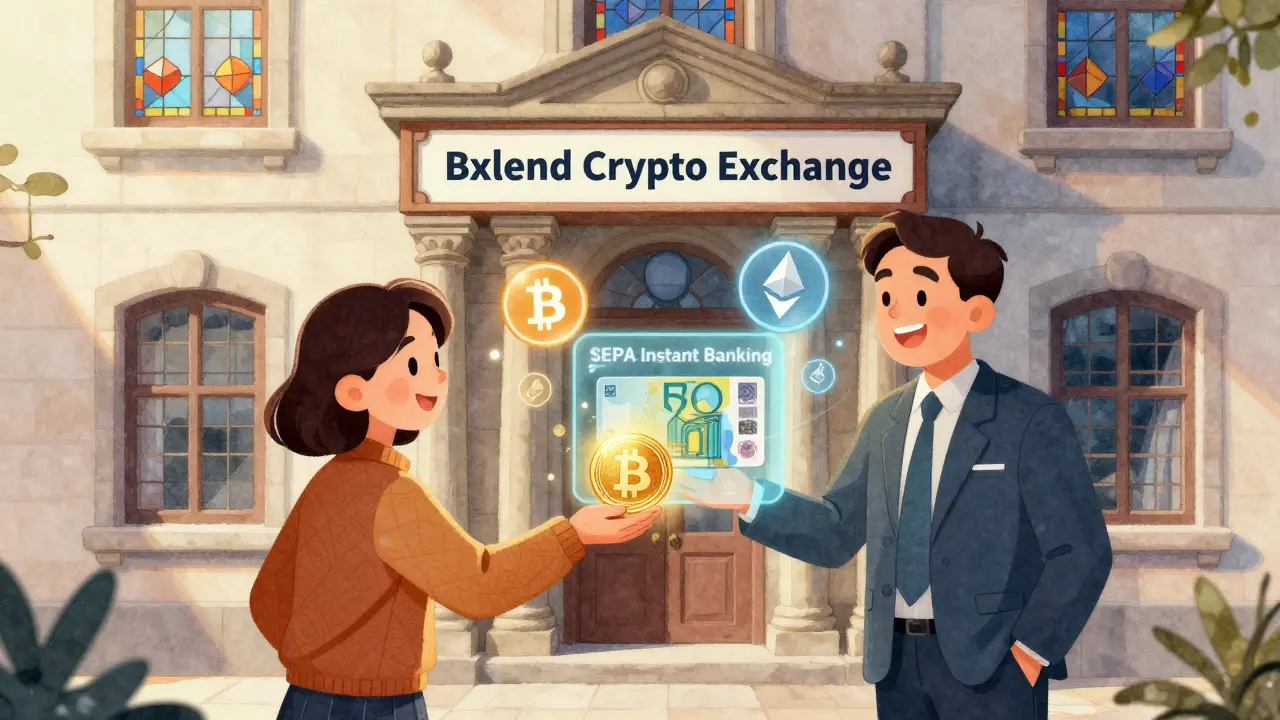
Bxlend is a crypto exchange based in Vilnius, Lithuania, built to bridge the gap between traditional banking and cryptocurrency trading. Unlike global giants like Binance or Coinbase, Bxlend focuses exclusively on the European market, offering a hybrid model that combines centralized exchange features with DeFi elements. It’s not just a trading platform-it’s positioned as a crypto banking solution, letting users convert crypto to EUR in real time using SEPA Instant Banking. This is a big deal for Europeans who’ve spent years waiting for fast, reliable fiat on-ramps.
Bxlend supports over 100 cryptocurrencies, including Bitcoin, Ethereum, Solana, and major stablecoins. Its native token, with a fixed supply of 1.5 million units, is designed to power ecosystem features like fee discounts and staking rewards, though details on how it works are thin. The company claims to be fully compliant with European financial regulations, including MiCA (Markets in Crypto-Assets), which is rare among newer exchanges. Most global platforms struggle with MiCA’s strict rules, but Bxlend says it was built for them from day one.
How Does Bxlend Compare to Other Exchanges?
If you’re used to Binance or Kraken, Bxlend feels different-not because it’s better, but because it’s narrower. Binance offers 500+ coins, advanced futures trading, and deep liquidity. Bxlend gives you 100+ coins, no derivatives, and no margin trading. So why choose it?
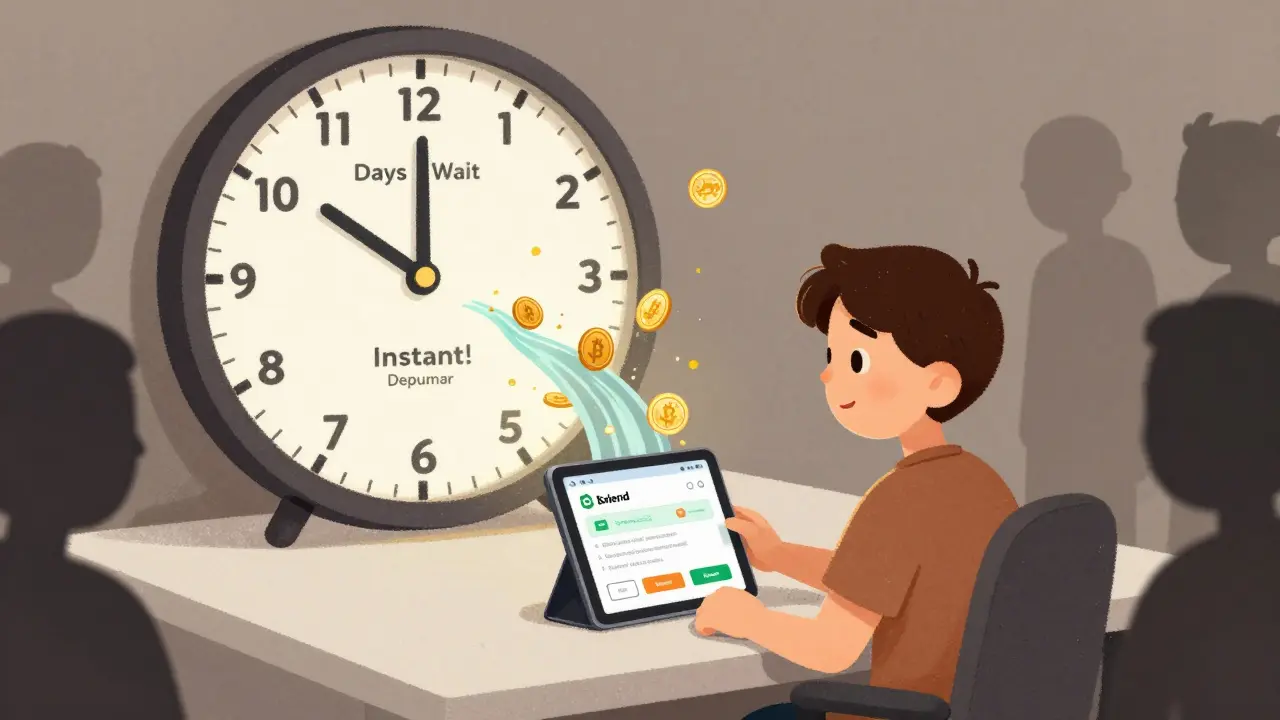
The answer is SEPA Instant Banking. On most exchanges, sending EUR from your bank to your crypto account takes 1-3 days. On Bxlend, it’s instant. Same for cashing out. That’s not a small perk-it’s a game-changer for daily users who need to move money fast. Compare that to Bitpanda or Bitstamp, which also support SEPA, but still often delay withdrawals or charge hidden fees. Bxlend promises no delays, no surprises.
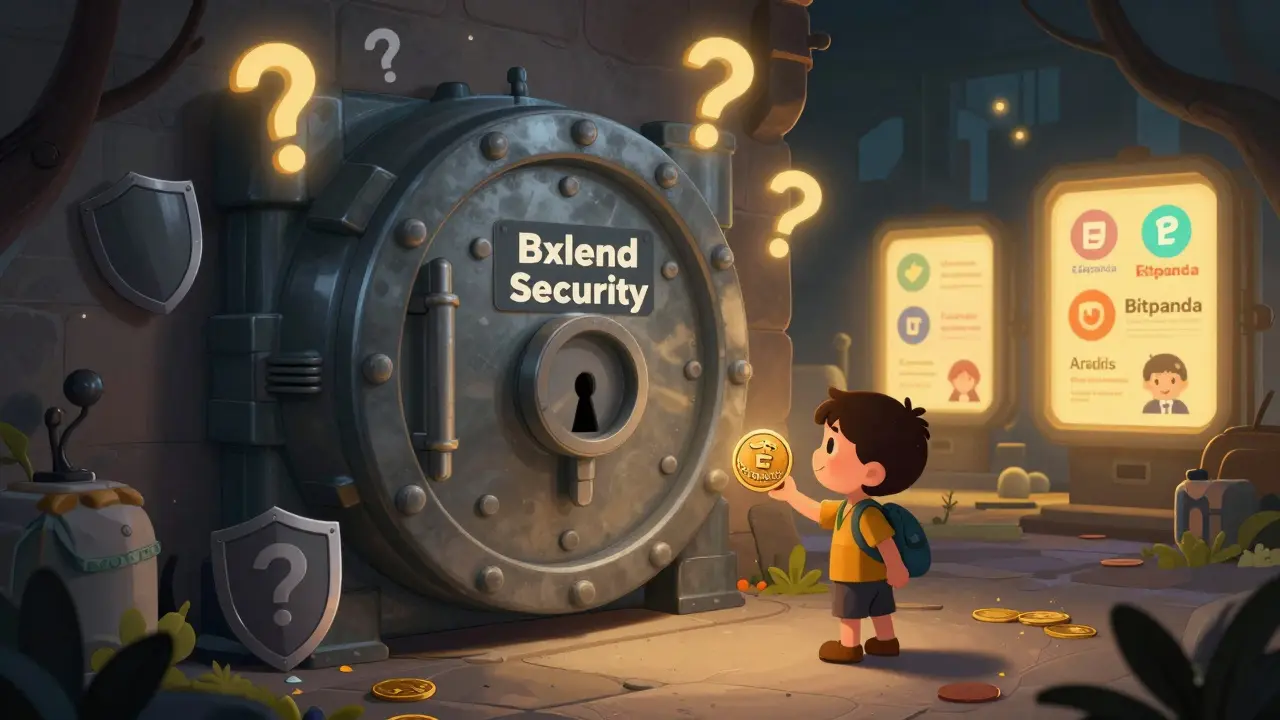
But here’s the catch: Bxlend is new. It launched in 2023. There are no independent audits, no published cold wallet addresses, and no third-party security reports. Binance has been hacked before-but it also has $1 billion in its SAFU fund to cover losses. Bxlend doesn’t say if it has anything like that. That’s a risk.
Security: Claims vs. Reality
Bxlend says it’s “100% committed to keeping your crypto funds safe.” That’s a strong promise. But safety isn’t just marketing-it’s infrastructure. Where are your coins stored? Is it hot wallet or cold storage? Are funds insured? The website doesn’t say. No whitepaper section details custody solutions. No mention of multi-sig, time-locked withdrawals, or penetration testing results.
What we do know: Lithuania has strong financial oversight. The Bank of Lithuania licenses and monitors crypto firms. Bxlend is registered there, which means it must follow AML and KYC rules. That’s good. It means your identity will be verified, and your transactions logged. But KYC doesn’t stop hackers. It just makes the platform legal.
Compare this to Coinbase, which publishes quarterly proof-of-reserves and partners with insurance firms like Lloyd’s of London. Bxlend doesn’t. If your coins vanish, you’re relying on their word-and their balance sheet. That’s a gamble most seasoned traders won’t take.
Trading Experience: Simple, But Limited
The interface is clean. The website says it’s “designed to be both powerful and simple to use.” And honestly, it is. No cluttered charts. No confusing tabs. You pick a coin, enter the amount, and click buy or sell. It’s like using PayPal for crypto. Perfect for beginners or people who just want to buy Bitcoin and forget about it.
But if you’re an active trader? You’ll hit walls fast. No limit orders? No stop-losses? No charting tools beyond basic candlesticks? That’s what the available info suggests. No API access either. That’s a red flag for anyone using bots or automated strategies.
Also, trading fees aren’t clearly listed. Bxlend’s website doesn’t show a fee schedule. That’s unusual. Even small exchanges publish them. If you’re trading $1,000 a week, a 0.2% fee vs. 0.1% could cost you $100 a year. You need to know this before you deposit.
Fiat On-Ramps: The Real Strength
Here’s where Bxlend shines: converting EUR to crypto and back. SEPA Instant Banking means your money moves in seconds, not days. That’s huge. Most exchanges force you to use third-party services like Revolut or Wise to deposit EUR. Bxlend integrates directly. No middlemen. No extra fees (they claim).
For someone in Germany, Poland, or Spain who wants to buy crypto without jumping through hoops, this is the easiest path available. No more waiting for bank transfers. No more paying 3% for card deposits. You link your bank account, verify your ID, and trade. Done.
And unlike some platforms that lock your EUR in a separate wallet, Bxlend lets you hold EUR and crypto in the same account. You can swap between them with one click. That’s convenience you won’t find on Kraken or Bitstamp.
Who Is Bxlend For?
Bxlend isn’t for everyone. It’s not for traders who need leverage. Not for investors chasing altcoins no one’s heard of. Not for people who want to stake 50 different tokens.
It’s for Europeans who want:
- A simple, legal way to buy and sell crypto
- Instant EUR deposits and withdrawals
- No surprise fees or delays
- A platform that follows EU rules
If you’re new to crypto and live in the EU, Bxlend could be your safest first step. If you’re already deep into DeFi and use MetaMask daily, you’ll find it too basic.
The Big Missing Pieces
Here’s the problem: almost everything we know about Bxlend comes from their own website, whitepaper, or litepaper. There are no independent reviews on Trustpilot. No Reddit threads. No YouTube unboxings. No CoinMarketCap user ratings. Nothing.
That’s not normal. Even new exchanges get talked about. People post screenshots. They complain about slow support. They praise easy withdrawals. Bxlend has none of that. Either it’s so new nobody’s used it yet-or something’s being hidden.
Also missing: customer support details. How do you contact them? Email? Live chat? Phone? Hours? Response time? If your funds are stuck, you need to know how fast help comes. No info.
And no financials. How many users do they have? How much volume? Are they profitable? The litepaper says they’re targeting 1.5 million users-but that’s a goal, not a result. Without data, you’re trusting a pitch, not a track record.
Final Verdict: Worth a Try? Maybe.
Bxlend isn’t a scam. It’s registered in Lithuania. It’s built for compliance. It solves a real problem: slow EUR transfers. That’s valuable.
But it’s also unproven. No audits. No user reviews. No transparency on security. If you’re comfortable putting a few hundred euros in to test it, go ahead. Use it like a savings account for crypto-buy, hold, cash out when you need EUR.
But don’t park your life savings here. Not yet. Not until someone independent confirms what’s behind the clean interface and polished claims. Until then, treat it like a beta app: useful, promising, but still under construction.
If you’re in Europe and tired of waiting days for your bank to move money, Bxlend might be the easiest way to fix that. Just don’t forget: convenience doesn’t equal safety. Always keep your largest holdings off any exchange-even the compliant ones.
Alternatives to Consider
If Bxlend feels too new or too quiet, here are three regulated European alternatives:
- Bitpanda (Austria): Strong UI, good EUR support, regulated by FMA. Fees are higher, but trust is proven.
- Bitstamp (Slovenia): One of the oldest EU exchanges. Trusted, secure, supports SEPA. Less flashy, but solid.
- Kraken (Germany): Offers advanced tools, low fees, and full MiCA compliance. Best for users who want both simplicity and depth.
All three have years of user feedback, public audits, and clear customer support channels. Bxlend doesn’t yet. That matters.
Comments
Althea Gwen
This feels like a crypto version of those ‘easy money’ MLMs 😅 Just give them your bank info and hope for the best. I’ll stick with Coinbase, thanks.
December 2, 2025 AT 03:31
Rod Filoteo
bxlend? more like bxlied. theyre prob just a front for some offshore gang laundering cash through lithuania. no audits? no cold wallet proof? bro thats not crypto its a trap.
December 3, 2025 AT 16:54
Greer Dauphin
Honestly? The SEPA instant thing is legit cool. I’ve wasted weeks waiting for bank transfers on other platforms. If they deliver on speed and don’t vanish, this could be the EU’s best shot at a user-friendly crypto bank. But yeah… no audits = big red flag.
December 4, 2025 AT 22:48
Reggie Herbert
MiCA compliance doesn’t mean security. It means paperwork. You can be 100% compliant and still have your hot wallet hacked by a 14-year-old in Minsk. This platform is a regulatory checkbox, not a financial innovation.
December 5, 2025 AT 17:52
Britney Power
The entire premise is fundamentally flawed. A hybrid model that attempts to reconcile centralized custodianship with decentralized finance is a conceptual oxymoron. The liquidity depth is negligible, the fee structure is opaque, and the absence of on-chain transparency renders any claim of ‘security’ an exercise in performative marketing. One cannot outsource trust to a corporate entity that refuses to disclose its custody architecture. This is not innovation-it is obfuscation dressed in EU regulatory garb.
December 7, 2025 AT 12:49
Christy Whitaker
I knew it. Another ‘European alternative’ that’s just a copy-paste of Bitpanda’s UI with a different logo. They’re not solving anything. They’re just hoping you’re too lazy to research better options.
December 9, 2025 AT 10:36
Lawal Ayomide
Lithuania? LOL. I’ve seen more transparency in Nigerian crypto startups. At least they admit they’re sketchy. This one pretends to be legit while hiding everything. Don’t trust it.
December 10, 2025 AT 03:15
Andrew Brady
This is a psyop. The EU doesn’t want you owning crypto. They want you to use their controlled gateway so they can track every transaction. This isn’t freedom-it’s financial surveillance with a pretty interface.
December 11, 2025 AT 07:23
Layla Hu
I’ve been using it for two weeks. Small deposits only. SEPA is instant, UI is clean. No issues yet. But I keep 95% of my crypto off-exchange. Just saying.
December 12, 2025 AT 23:48
Shari Heglin
The absence of user-generated content and third-party reviews is statistically anomalous for a platform claiming to serve over 1.5 million users. The lack of verifiable data suggests either negligible adoption or deliberate suppression of dissenting narratives.
December 13, 2025 AT 00:17
justin allen
USA only trust US exchanges. This EU stuff is just another way for them to steal your money and say ‘it’s legal’ while they do it. Stay patriotic. Use Kraken or Coinbase.
December 13, 2025 AT 22:44
Maggie Harrison
If you’re new to crypto and live in Europe, this might be your gateway. Don’t overthink it. Start small. Learn. Then move to something bigger. Baby steps 💪
December 14, 2025 AT 16:16
samuel goodge
I’m genuinely intrigued by the SEPA integration-this is the kind of UX refinement that could redefine fiat on-ramps. But the absence of proof-of-reserves, coupled with the lack of public security audits, remains a critical vulnerability. One must ask: if the infrastructure is so robust, why is the transparency so minimal?
December 15, 2025 AT 06:50
Mark Stoehr
No audits no insurance no cold wallet proof just a pretty website and a bunch of buzzwords. If your money disappears youll be begging for refunds on their twitter. dont even think about it
December 16, 2025 AT 20:30
Vidyut Arcot
I’ve used this for my monthly crypto buys. Fast, simple, no drama. I don’t need futures or APIs. I just want to buy BTC and forget about it for a month. For that? It works.
December 16, 2025 AT 23:31
Ivanna Faith
I love how they say ‘no hidden fees’ but dont even list the fees… classic. Like saying ‘no sugar’ but the drink tastes like caramel 🤷♀️
December 17, 2025 AT 01:33
Jay Weldy
I get why people are skeptical. But sometimes new things are quiet because they’re building quietly, not hiding. Maybe give them 6 months? See if reviews pop up. Don’t judge a book by its unread comments.
December 18, 2025 AT 16:40
Nelia Mcquiston
The real question isn’t whether Bxlend is safe. It’s whether we should trust any exchange that doesn’t open its books. If we demand transparency from governments, why settle for less from our financial platforms?
December 20, 2025 AT 14:39
Alan Brandon Rivera León
I’m from Colombia and I’ve tried this. The SEPA thing doesn’t help me, but the interface is nice. I just wish they supported more Latin American banks. Maybe next update?
December 21, 2025 AT 06:44
alex bolduin
I’ve been watching this exchange since launch. No drama. No news. No hacks. No complaints. That’s either boring… or brilliant. I’m putting $200 in to test it. If it’s still here in 3 months, I’ll go bigger.
December 22, 2025 AT 12:26
Melinda Kiss
I’m a single mom who just wants to buy a little BTC for my kid’s future. This feels safer than trying to use Binance with my bank. Simple, fast, no confusing charts. That’s all I need. Thank you for writing this review-it helped me decide.
December 24, 2025 AT 10:44
Akash Kumar Yadav
You think Lithuania is safe? My cousin works at a bank there. They’re so desperate for fintech money they approve anyone. This is a gold rush with no guardrails. Don’t be the fool who gets caught.
December 24, 2025 AT 17:23
Nancy Sunshine
The most dangerous thing about Bxlend isn’t the lack of audits-it’s the illusion of safety. When users believe they’re protected by regulation alone, they stop asking hard questions. That’s when losses happen.
December 26, 2025 AT 16:38
Nora Colombie
I’m a U.S. citizen and I don’t care about EU rules. If I can’t use this with my American bank, it’s useless. Stop trying to sell me EU-only solutions. We have Coinbase, Kraken, and Gemini. We don’t need your ‘hybrid’ nonsense.
December 28, 2025 AT 04:07