
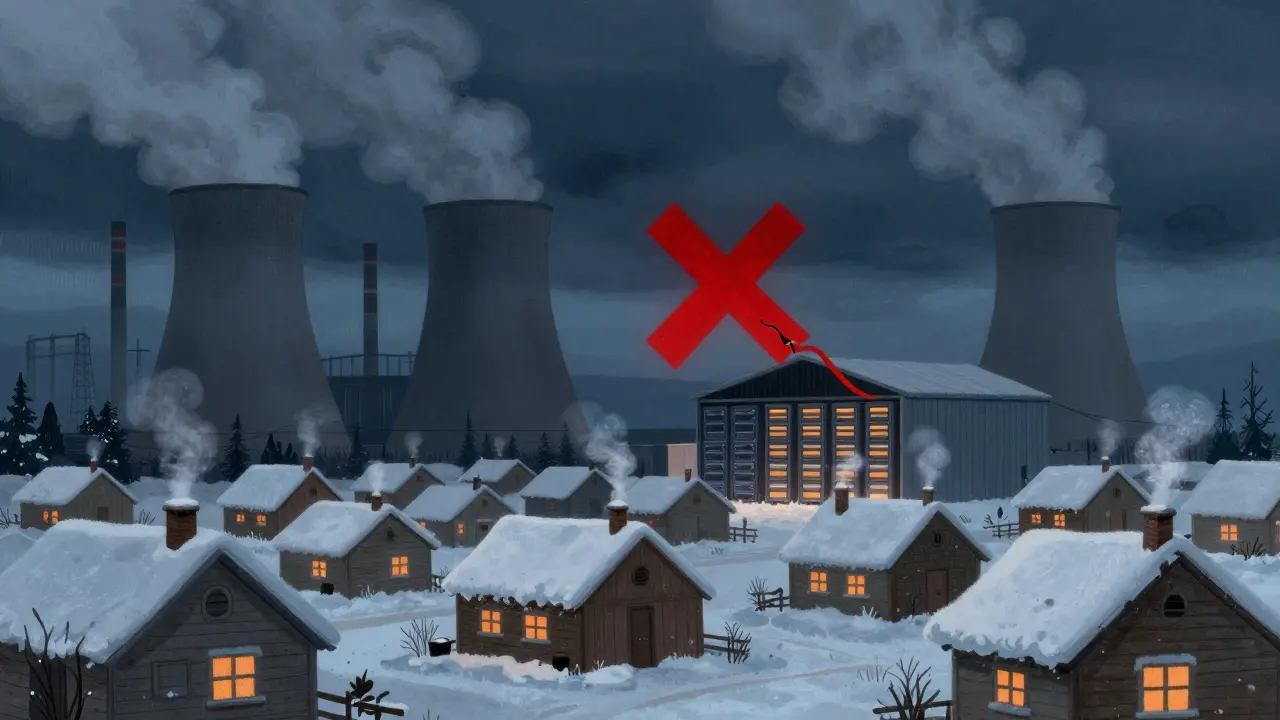
Imagine running a business that consumes more electricity than your entire neighborhood. Now imagine the government cutting the power because the grid can’t handle it. That was the reality for cryptocurrency miners in Kosovo in early 2022. The country didn’t just raise taxes or add red tape; it pulled the plug entirely.
In January 2022, Kosovo became one of the few nations to impose a total ban on crypto mining. This wasn’t a subtle policy shift. It was an emergency response to a severe energy crisis that threatened to blackout homes and businesses across the nation. If you’re looking at this from 2026, understanding why this happened-and how it’s enforced-helps explain the current landscape for digital assets in the Balkans.
The Spark: Why Kosovo Banned Mining in 2022
To understand the ban, you have to look at the energy mix. Kosovo relies heavily on coal-fired power plants. In late 2021, several EU countries banned fossil fuel exports from Russia due to geopolitical tensions. Kosovo, which imports much of its energy infrastructure support and faces high domestic heating demands during winter, saw its electricity prices skyrocket and supply dwindle.
By December 2021, the government declared a state of emergency. The math was simple but brutal: crypto farms were consuming a massive chunk of the available electricity, driving up costs for regular citizens. On January 4, 2022, Artane Rizvanolli, then Minister of Economy, announced a complete prohibition on cryptocurrency production. The goal wasn’t to punish tech enthusiasts; it was to keep the lights on for hospitals, schools, and households.
This decision placed Kosovo in a rare club. As of 2025, it remains one of only eight countries worldwide with an outright ban on mining. It followed a similar move by China in 2021, which had already displaced nearly 75% of global Bitcoin mining capacity. Kosovo’s action signaled that even small economies would prioritize national energy security over crypto profits.
How the Ban Was Enforced
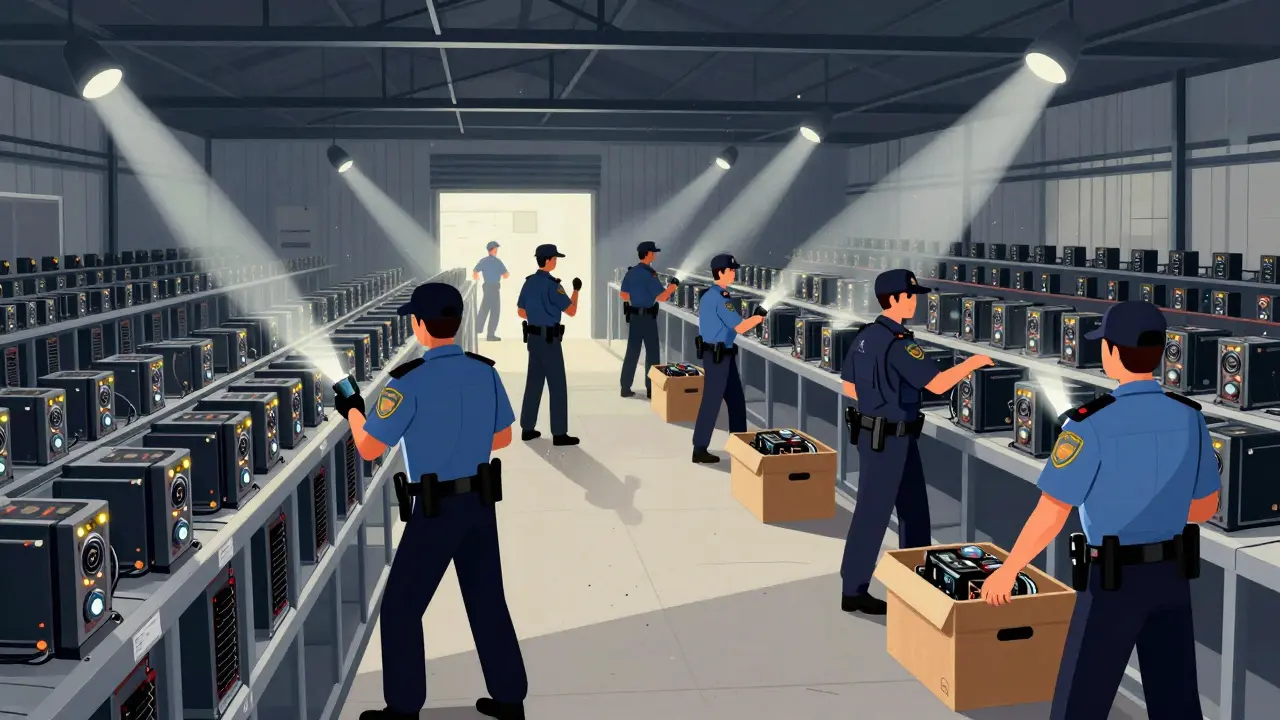
A law on paper is useless without enforcement. Kosovo’s government didn’t leave anything to chance. They tasked police and customs authorities with monitoring electricity consumption patterns. If a residential or commercial unit showed usage spikes typical of ASIC miners, inspectors showed up.
- Coordinated Raids: In the first few months of 2022, authorities confiscated over 300 Bitcoin mining devices. These weren’t scattered incidents; they were systematic sweeps targeting known hotspots.
- Electricity Monitoring: Utilities were instructed to flag abnormal usage. This created a data-driven net that made hiding large-scale operations nearly impossible.
- Regional Focus: A significant portion of the crackdown targeted northern Kosovo. In municipalities with Serbian-majority populations, many residents historically did not pay for electricity. Miners exploited this loophole, using unpaid power to generate profit. The ban specifically aimed to close this gap, combining energy conservation with efforts to enforce utility payments.
The effectiveness was immediate. The sheer volume of seized hardware demonstrated how deeply embedded mining had become in the local economy before the ban. For investors who thought they could fly under the radar, the message was clear: the state was watching every kilowatt-hour.
The Legal Framework and Extensions
The initial ban in January 2022 was designed as an emergency measure, but the government built flexibility into the rules. Recognizing that energy crises don’t end overnight, the legislation allowed for extensions ranging from 30 to 180 days based on grid conditions.
On August 1, 2022, the government extended the ban for another 60 days. This wasn’t a surprise. It reflected the ongoing strain on the national grid. The Committee for Economy in the Assembly of Kosovo committed to addressing these issues through a broader legislative framework. The idea wasn’t just to ban mining forever, but to create a structured path for future regulation once energy stability returned.
| Date | Action | Context |
|---|---|---|
| December 2021 | State of Emergency Declared | Severe energy shortages and rising costs |
| January 4, 2022 | Total Mining Ban Announced | Minister Artane Rizvanolli orders halt to all crypto production |
| Early 2022 | Enforcement Raids | Over 300 mining devices confiscated by police/customs |
| August 1, 2022 | Ban Extended | 60-day extension due to continued grid stress |
| 2025-Present | Ongoing Prohibition | Mining remains illegal except for alternative energy sources |
Current Status: Is Mining Still Illegal?
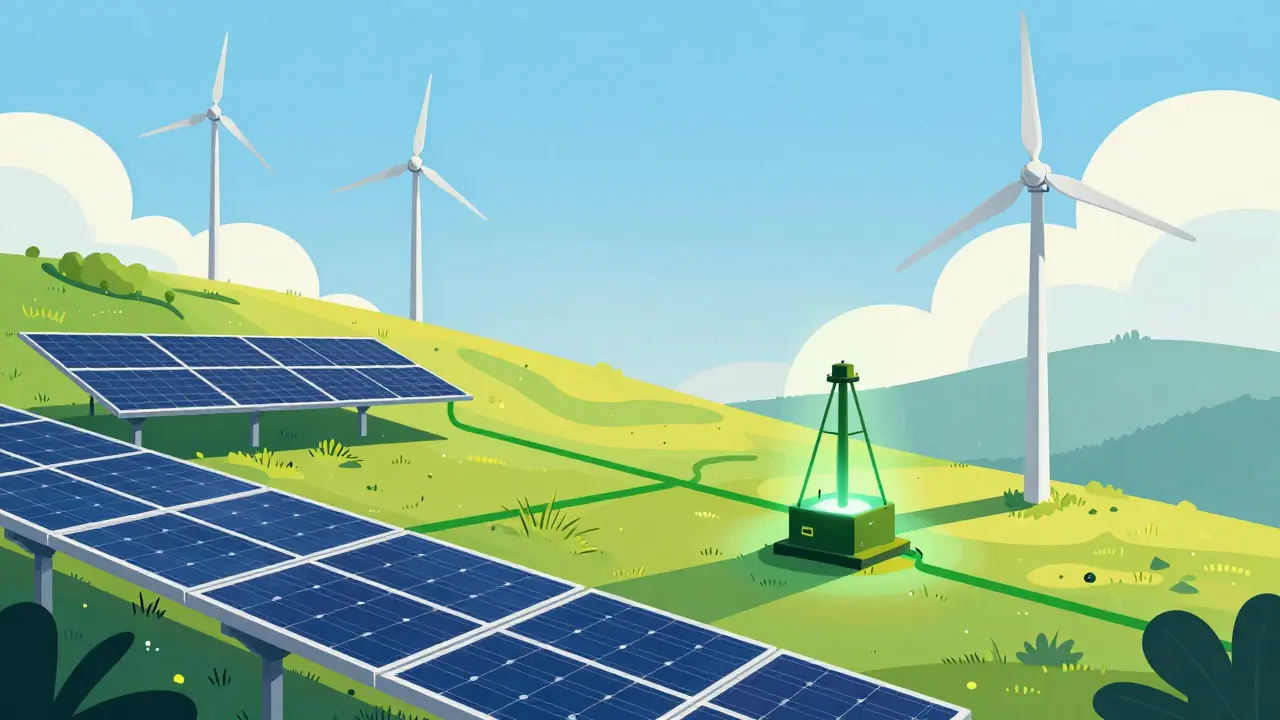
Fast forward to 2026. Has the ban lifted? Not really. Kosovo maintains its position as a restrictive jurisdiction. However, there is a nuance that matters for serious players. Recent regulatory developments suggest limited exceptions for mining operations powered exclusively by alternative energy sources.
If you can prove your mining rig runs on solar, wind, or hydro power that doesn’t draw from the national coal-dependent grid, you might find a legal pathway. But for anyone plugging into the standard outlet? It’s still illegal. The broader legal framework continues to classify general cryptocurrency activities as risky or prohibited, impacting investors, traders, and everyday users.
This distinction is crucial. It shows the government isn’t anti-technology; it’s anti-grid-strain. They want innovation, but not at the cost of blackouts. This aligns with global trends where environmental impact and energy efficiency are becoming the primary metrics for crypto regulation.
Impact on Investors and Everyday Users
The ban has reshaped the financial landscape for Kosovars. For investors, the door to lucrative mining profits is closed. You can’t set up a farm, and you can’t trade freely without facing legal repercussions. This has stifled the growth of crypto-related businesses and services within the country.
For everyday citizens, the impact is different. Many people in Kosovo rely on remittances from the diaspora. Cryptocurrencies offer fast, low-cost ways to send money home. With strict regulations, these benefits are largely unavailable. Users are deprived of alternative financial tools that could help them navigate inflation or access global markets.
Environmental groups like Greenpeace USA have pointed out that Kosovo’s ban is part of a necessary global correction. By limiting energy-intensive proof-of-work mining, the country protects its climate goals and electrical infrastructure. But for the individual trying to diversify their savings, the options are severely limited.
Future Legislation and What to Watch
Kosovo’s government hasn’t stopped at banning mining. They’ve been working on new cryptocurrency legislation to define rules for use, categorization, and taxation. The goal is to bring clarity to a chaotic sector while maintaining energy security.
What should you watch for?
- Taxation Frameworks: How will the government tax crypto holdings if trading becomes regulated?
- Alternative Energy Incentives: Will subsidies be offered for green mining operations?
- Remittance Regulations: Could stablecoins be legalized for cross-border transfers to help the diaspora?
The trajectory suggests a slow move toward regulation rather than permanent prohibition. But until the energy grid stabilizes or renewable capacity expands significantly, expect the core restrictions to remain in place.
Key Takeaways for Stakeholders
If you’re considering operating in Kosovo, here’s what you need to know:
- No Grid Mining: Do not attempt to mine using national electricity. The risk of confiscation and legal penalties is high.
- Green Exception: Explore opportunities in alternative energy-powered mining, but verify current legal status with local counsel.
- Regulatory Uncertainty: General crypto trading remains legally gray or restricted. Proceed with caution.
- Energy Priority: Understand that the government prioritizes household and industrial power over crypto speculation.
Kosovo’s 2022 ban was a decisive moment in crypto history. It proved that even small nations can wield significant influence over global mining distribution when energy security is at stake. As we move through 2026, the lesson remains clear: sustainability isn’t just a buzzword; it’s a regulatory requirement.
When did Kosovo ban cryptocurrency mining?
Kosovo implemented a comprehensive ban on cryptocurrency mining on January 4, 2022. This was done in response to a severe energy crisis and a state of emergency declared in December 2021.
Is crypto mining still illegal in Kosovo in 2026?
Yes, mining using the national electrical grid remains illegal. However, there are limited exceptions for operations powered exclusively by alternative energy sources such as solar or wind.
Why did Kosovo target northern regions for enforcement?
Northern Kosovo municipalities, particularly those with Serbian-majority populations, had issues with unpaid electricity bills. Miners exploited this by using subsidized or unpaid power, so the government focused enforcement there to stop energy theft and ensure fair utility payment.
How many mining devices were confiscated?
In the early months of enforcement in 2022, police and customs authorities confiscated more than 300 Bitcoin mining devices in coordinated raids.
Can I trade cryptocurrency in Kosovo?
The broader legal framework continues to classify many cryptocurrency activities as illegal or highly restricted. While specific trading laws are being developed, individuals face legal risks when engaging in crypto transactions. Always consult local legal experts for the most current advice.