
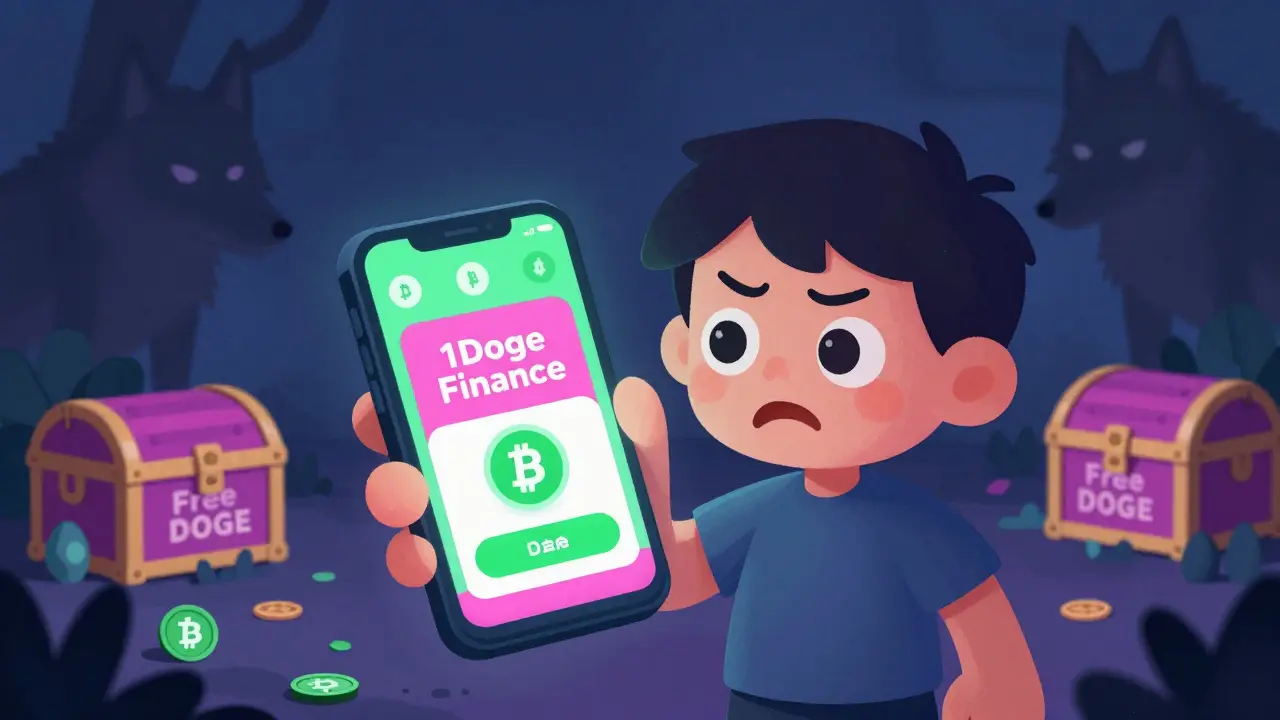
You’ve probably seen the pop-up or heard the whisper on social media: "1Doge Finance is giving away free tokens." It sounds too good to be true, doesn’t it? In the world of cryptocurrency, especially with meme coins like Dogecoin (DOGE), free money is usually the bait for a very expensive trap. If you are looking for details on the so-called 1Doge Finance airdrop, here is the hard truth: there is no official project by this name associated with the core Dogecoin team, and any claim of an "official" airdrop is almost certainly a scam.
The Dogecoin community has been burned before. Scammers love to piggyback on popular brands. They create fake websites, impersonate developers, and use confusing names like "1Doge," "Doge2.0," or "SuperDoge" to trick people into connecting their wallets. Once you connect, they don't give you tokens; they drain your existing funds. This guide will help you understand why this specific "airdrop" is dangerous, how these scams work, and how to protect your digital assets in 2026.
The Myth of the Official Dogecoin Airdrop
First, let’s clear up a major misconception. Dogecoin was created in 2013 as a joke currency, but it evolved into a serious peer-to-peer payment network. The core development team behind Dogecoin has stated repeatedly, year after year, that there will never be an official DOGE airdrop. Why? Because Dogecoin is an open-source protocol. There is no central company holding a bag of tokens to "give away." Anyone claiming to represent the "official Dogecoin team" offering free coins is lying.
This applies doubly to projects with similar names. "1Doge Finance" is not a recognized entity in the main Dogecoin ecosystem. It does not appear in official repositories, nor is it endorsed by the Dogecoin Foundation. When you see a project name that slightly twists a well-known brand (like adding "Finance" or a number prefix), it is a classic red flag known as "typosquatting" or "brand impersonation." These projects are designed to look legitimate at a glance but lack the infrastructure, transparency, and trust of real decentralized finance (DeFi) protocols.
How the "1Doge" Scam Works
Scammers are sophisticated. They don’t just send you a spam email anymore. They build entire ecosystems to lure you in. Here is the typical lifecycle of a fake airdrop scam like the one purportedly from 1Doge Finance:
- The Hook: You see an ad on Twitter, Telegram, or even Google Ads claiming "Free 1DOGE Tokens for Holders." The site looks professional, with charts, team photos (often AI-generated or stolen), and a countdown timer creating false urgency.
- The Interaction: To "claim" your reward, you are asked to connect your crypto wallet-usually MetaMask, Trust Wallet, or Phantom. The site might ask you to approve a transaction that seems harmless, like a "gas fee" or a "verification step."
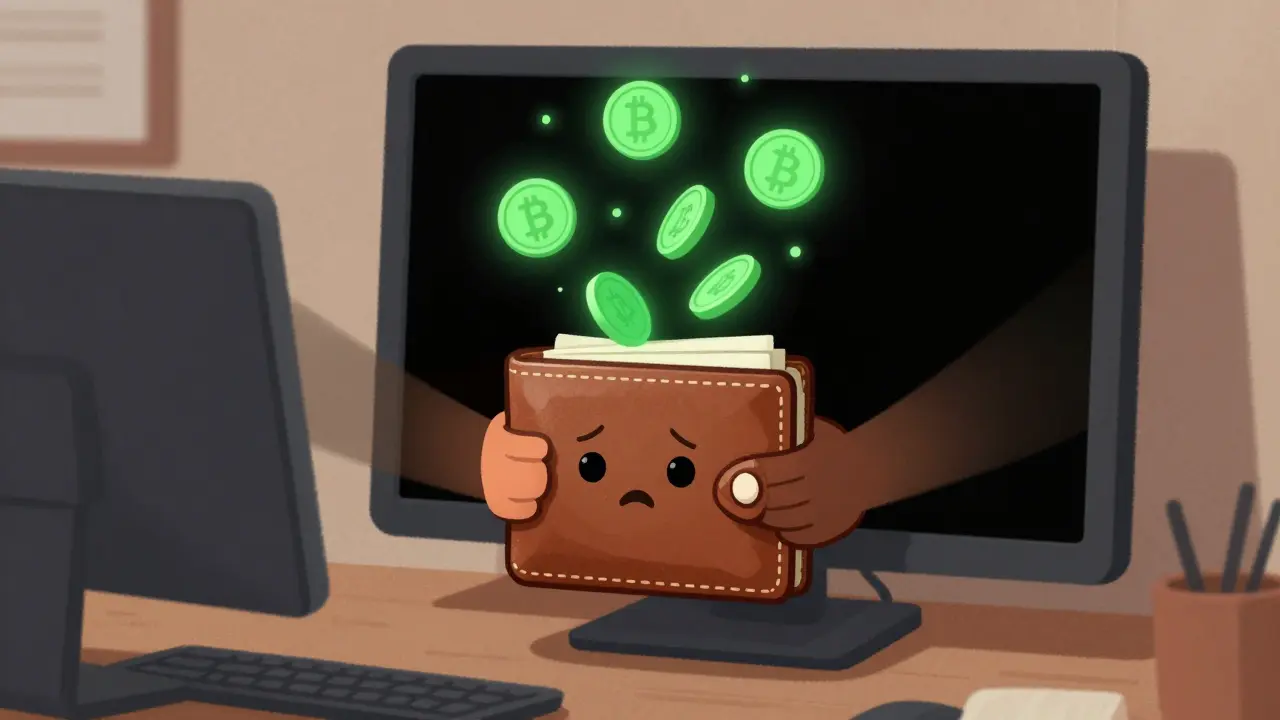
- The Trap: That approval is actually a malicious smart contract function. By signing it, you grant the scammers unlimited access to transfer tokens from your wallet. They don’t need to hack your password; you gave them permission.
- The Drain: Within seconds, your USDT, ETH, SOL, or other valuable assets are drained to a burner wallet. The "free" 1Doge tokens you received are worthless dust, used only to distract you while the real theft happens.
In June 2025 and continuing into 2026, security firms have reported a surge in these types of "meme coin" airdrop scams. They exploit the FOMO (Fear Of Missing Out) that drives many retail investors. Remember: if a project is truly valuable, it won’t rely on begging strangers to click suspicious links to distribute its token.
Real vs. Fake: Identifying Legitimate Community Projects
It is important to distinguish between scams and legitimate community-driven initiatives. While there is no *official* Dogecoin airdrop, there have been third-party projects that offered rewards to DOGE holders. For example, SuperDoge (SDOGE) conducted a structured airdrop over 12 months, and projects like Own The Doge (Cocoro) distributed tokens to specific holders. However, these were clearly labeled as *third-party* efforts, not official Dogecoin upgrades. They had transparent whitepapers, verified audit reports, and active, public development teams.
Compare this to "1Doge Finance." Does it have a GitHub repository with active code commits? Can you find the founders on LinkedIn or Twitter with verifiable histories? Is there an audit from a reputable firm like CertiK or Hacken? If the answer is no, stay away. Legitimate DeFi projects prioritize transparency because their survival depends on user trust. Scams prioritize speed and obscurity.
| Feature | Legitimate Project (e.g., SuperDoge) | Fake Scam (e.g., "1Doge Finance") |
|---|---|---|
| Official Endorsement | None (clearly states third-party) | Falsely claims "Official Dogecoin Team" |
| Smart Contract Audit | Public report from CertiK/Hacken | No audit or fake PDF certificate |
| Team Identity | Doxxed founders with history | Anonymous or AI-generated profiles |
| Cost to Claim | Only standard network gas fees | Asks for "verification" payments or approvals |
| Communication | Public Discord/Twitter with devs | DMs only, urgent pressure tactics |
Protecting Your Wallet in 2026
The best defense against airdrop scams is a proactive security mindset. Here are practical steps to keep your assets safe:
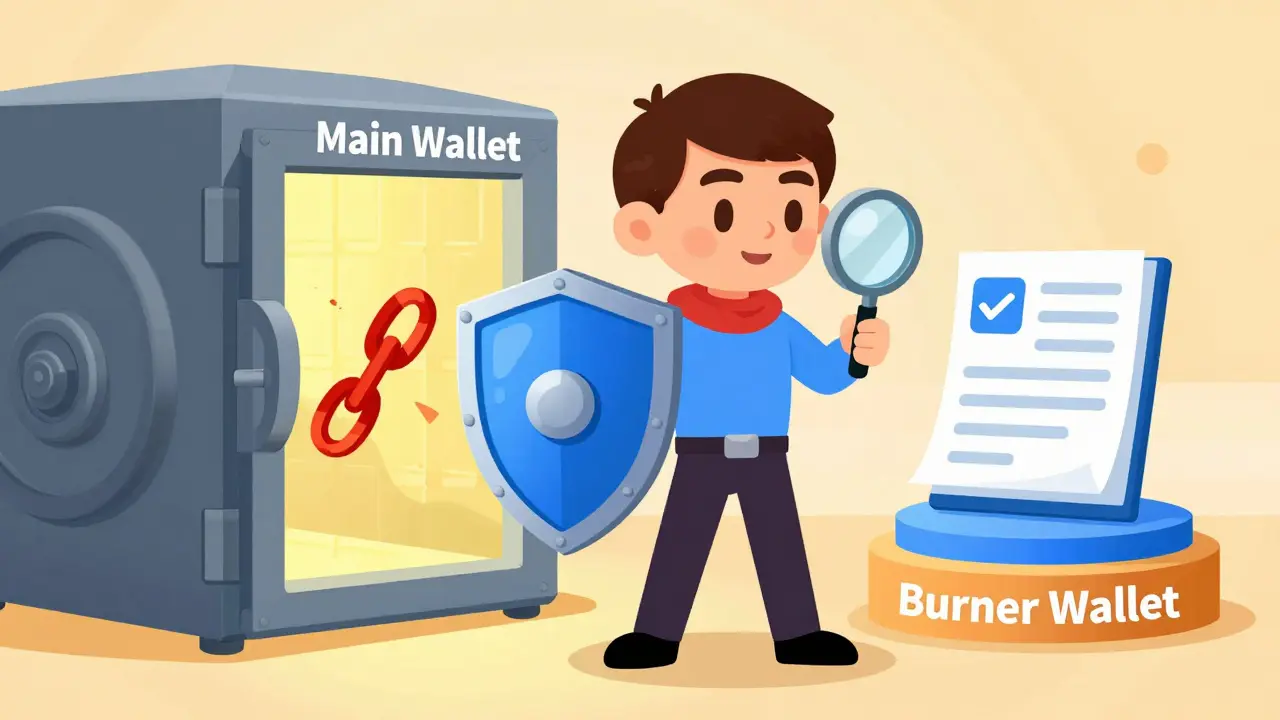
- Use a Burner Wallet: Never connect your main wallet-the one holding your life savings-to unknown dApps. Use a separate wallet with minimal funds for interacting with new or unverified projects. Tools like MetaMask allow you to create multiple accounts easily.
- Revoke Permissions Regularly: After interacting with any DeFi platform, go to Revoke.cash or Etherscan Token Approval to check what contracts have access to your tokens. Revoke any that you don’t recognize or no longer use.
- Verify URLs Meticulously: Scammers buy domains that look almost identical to real ones (e.g., dogeco1n.com instead of dogecoin.com). Always bookmark official sites and never click links from DMs or ads.
- Ignore "Too Good to Be True" Offers: If a project promises high returns or free tokens with zero effort, it is a scam. Real value creation takes time and work. No legitimate financial institution gives away millions in value for free without strings attached.
What to Do If You’ve Already Connected
If you recently connected your wallet to a suspicious site like 1Doge Finance, act immediately. First, do not panic. Second, move all remaining assets to a new, secure wallet address. Third, revoke all token approvals using the tools mentioned above. Finally, monitor your transaction history closely. If you notice unauthorized transfers, contact your exchange or bank if fiat was involved, though recovery in crypto is often difficult. Reporting the incident to platforms like Chainalysis or local cybercrime units can help track the funds, even if immediate recovery isn’t possible.
The crypto space is wild west, but you don’t have to be a victim. By staying skeptical, verifying sources, and securing your wallet, you can enjoy the benefits of blockchain technology without falling for predatory scams. Remember: in DeFi, you are your own bank. Protect your vault accordingly.
Is 1Doge Finance a legitimate project?
No. There is no credible evidence that 1Doge Finance is a legitimate or official project. It bears strong similarities to known scam patterns, including brand impersonation and fake airdrop claims. The official Dogecoin team has never endorsed such a project.
Will Dogecoin ever have an official airdrop?
No. The Dogecoin development team has consistently stated that there will never be an official DOGE airdrop. Any website or person claiming otherwise is attempting to scam you.
How can I tell if a crypto airdrop is a scam?
Look for red flags like unsolicited messages, requests to connect your wallet to unknown sites, promises of high returns with no effort, and poor grammar or design. Legitimate projects always have transparent teams, audited contracts, and clear documentation.
What should I do if I connected my wallet to a scam site?
Immediately move your remaining funds to a new wallet address. Then, use a tool like Revoke.cash to remove any permissions you granted to the scam contract. Monitor your transactions for further unauthorized activity.
Are there any real Dogecoin-related airdrops?
While there are no *official* Dogecoin airdrops, some third-party community projects like SuperDoge or Own The Doge have offered rewards to holders. These are distinct from the main DOGE network and should be researched thoroughly before participation.